Ctrl K
1760–1834
Occupations
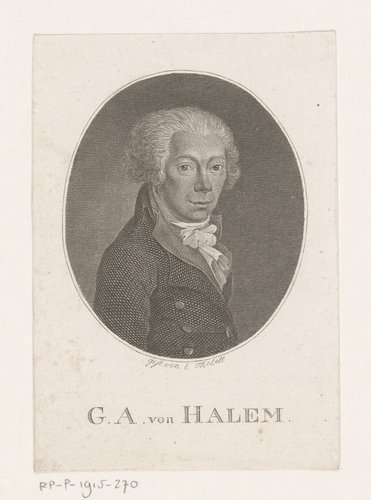
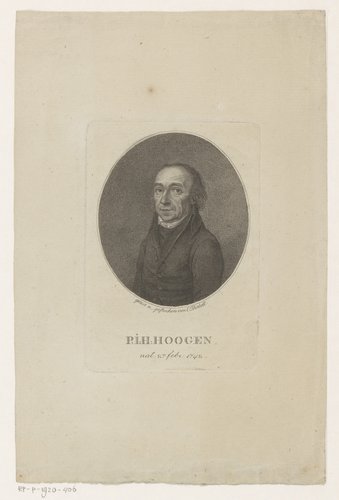
Ernst Karl Gottlieb Thelott (1760–1834) was a German copperplate engraver and painter whose career spanned the transition from Enlightenment classicism to early Romanticism, working primarily in Augsburg and later becoming a representative figure of the Düsseldorf School of Painting. Born in Augsburg—one of Germany's historic centers for printmaking and artistic crafts—Thelott developed his engraving skills in the tradition of precise reproductive printmaking that had flourished in Southern German cities since the Renaissance. His portraits of notable cultural, political, and intellectual figures of his era created an invaluable visual record of German Enlightenment and early Romantic culture, capturing the likenesses of philosophers, poets, military leaders, and aristocrats whose ideas and actions shaped the tumultuous decades around 1800. Thelott's career trajectory from Augsburg to Düsseldorf reflected broader shifts in German artistic geography, as Düsseldorf emerged in the early nineteenth century as an increasingly important center for academic painting. His work exemplifies the engraver's dual function as artistic interpreter and cultural documentarian, translating painted portraits into widely distributable prints that made the faces of distinguished individuals accessible to broader publics. His meticulous copperplate technique preserved the dignity and psychological presence of his subjects while demonstrating the technical precision that distinguished German printmaking traditions.
Ernst Karl Gottlieb Thelott was born on June 6, 1760, in Augsburg, one of the great Free Imperial Cities of the Holy Roman Empire. Augsburg possessed a distinguished artistic heritage extending back to the Renaissance, when the Holbein family, Hans Burgkmair, and other masters established the city as a center for painting and printmaking. By the eighteenth century, Augsburg had evolved into a major publishing center, producing illustrated books, maps, and decorative prints for German and international markets.
Thelott entered this environment of commercial artistic production, learning the demanding craft of copperplate engraving. The technique required manual precision, deep understanding of tonal systems created through line density and cross-hatching, and the ability to translate painterly effects into the linear language of engraving. Augsburg's workshops provided systematic training in these skills, emphasizing technical excellence and commercial reliability.
His early work consisted primarily of reproductive engravings—translating painted portraits into prints that could be produced in multiple impressions and distributed across German-speaking Europe. The later eighteenth century saw growing demand for portrait prints of distinguished individuals, driven by Enlightenment culture's emphasis on individual achievement, the expansion of reading publics interested in the lives of notable figures, and the development of portrait galleries in books and periodicals.
At some point in his career—likely in the early nineteenth century—Thelott relocated to Düsseldorf, which was emerging as an significant artistic center. The establishment of the Düsseldorf Academy of Arts in 1773 (reorganized and expanded after 1819) attracted artists and fostered a distinctive approach to painting characterized by careful draftsmanship, clear composition, and narrative clarity.
Thelott became recognized as a representative of the Düsseldorf School of Painting, indicating his integration into the city's artistic community and adoption of its aesthetic values. As both engraver and painter, he participated in the school's emphasis on precise observation and technical craftsmanship.
His portrait engravings documented the intellectual and cultural elite of his era. Among his notable subjects was Friedrich Heinrich Jacobi (1743–1819), the influential philosopher whose critique of Enlightenment rationalism and emphasis on faith and feeling contributed to German Idealist philosophy and Romantic thought. Thelott's portrait of Jacobi preserves the visual record of this important thinker.
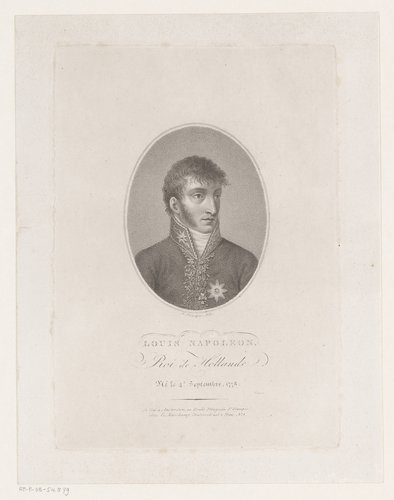
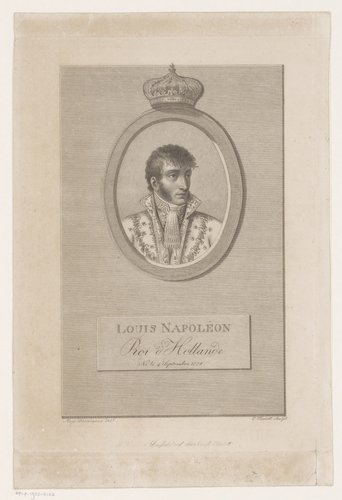
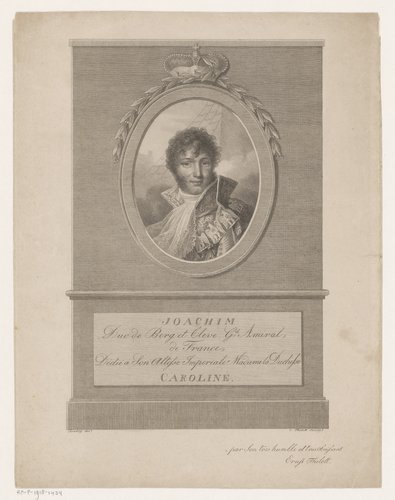
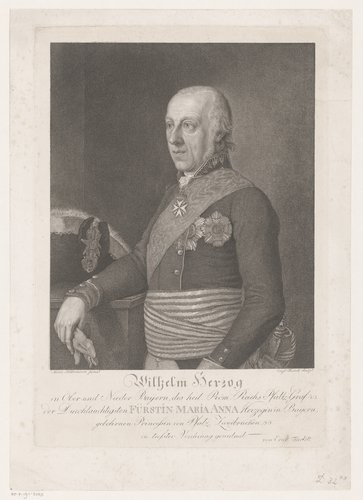
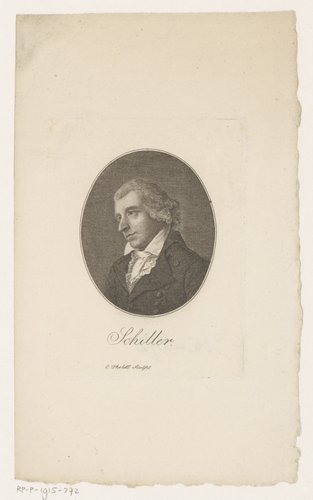
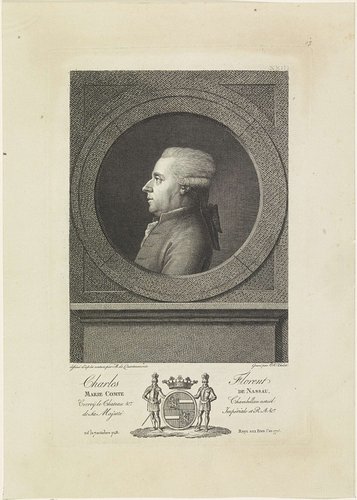
He also engraved portraits of Friedrich von Schiller (1759–1805), the great German poet, playwright, and philosopher whose dramas and aesthetic writings helped define German Classical literature. Additionally, he created portraits of Charles Florent Marie van Nassau-Corroy and other aristocratic and political figures, documenting the faces of those who shaped German society during the Revolutionary and Napoleonic periods.
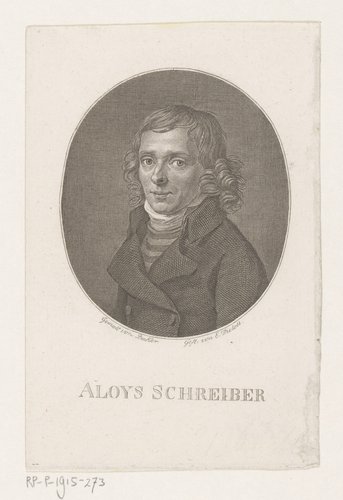
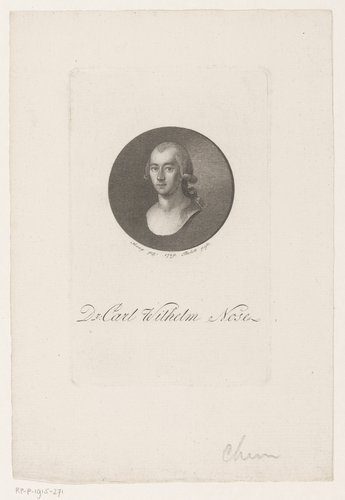
His portraits demonstrate refined copperplate technique, with carefully modulated line work creating subtle tonal gradations that render facial features, fabric textures, and psychological presence. The compositions typically present subjects in conventional three-quarter or half-length poses, with attributes or backgrounds indicating their professions or achievements. The overall effect emphasizes dignity, intelligence, and individual character—qualities appropriate to Enlightenment and early Romantic conceptions of human worth.
Ernst Karl Gottlieb Thelott died in Düsseldorf on September 24, 1834, at the age of seventy-four. His extensive oeuvre of portrait engravings preserves visual documentation of German cultural life during a period of profound intellectual, political, and social transformation, from the late Enlightenment through the Revolutionary era to the early decades of the Restoration period.
Artheon Research Team
Last updated: 2025-11-09
Biography length: ~447 words
Wikidata (CC0)