Ctrl K
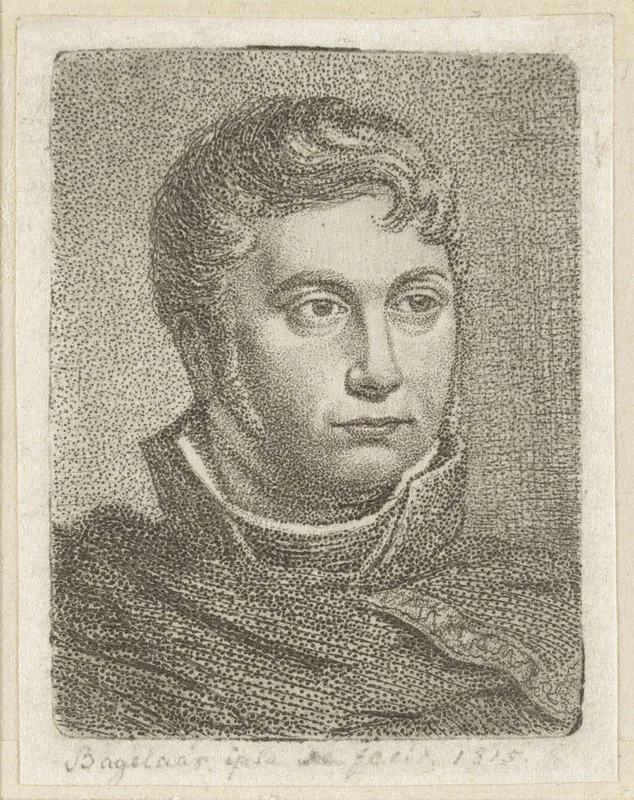
1775–1837
Occupations
Ernst Willem Jan Bagelaar (1775–1837) was a Dutch military officer and artist whose dual career exemplified the accomplished amateur tradition in European art. Born on September 16, 1775, in Eindhoven, Bagelaar first entered military service, eventually reaching the rank of colonel (overste), but early developed a strong interest in the fine arts. Though largely self-taught in etching, he acquired further knowledge through travel in Germany and extended study in Paris, demonstrating the determination and cultural ambition characteristic of educated Dutch officers. His artistic production spanned multiple media including etching, watercolor, drawing, painting, and miniature work, showing remarkable versatility. Bagelaar's work combined military discipline with artistic sensibility, creating reproductive etchings and original compositions that contributed to early 19th-century Dutch printmaking. When he died on February 8, 1837, in Son (Son en Breugel) at age 61, he left behind a body of work preserved in the Rijksmuseum and other Dutch collections that demonstrates how military profession and artistic practice could productively coexist.
Ernst Willem Jan Bagelaar was born on September 16, 1775, in Eindhoven, in the southern Netherlands. This was during the final decades of the Dutch Republic, a period of economic and political challenges as the once-dominant commercial power struggled to maintain independence amid conflicts between major European powers.
Bagelaar first entered the army, beginning a military career that would parallel his artistic pursuits throughout his life. Military service for educated young men combined practical profession with opportunities for advancement and social status. The structured life of a military officer paradoxically often provided time and resources for cultural pursuits during peacetime.
Despite his military commitments, Bagelaar early acquired a strong interest in the fine arts. This dual inclination—toward both military service and artistic creation—characterized the educated amateur tradition in European culture, where gentlemen pursued arts and sciences alongside professional duties.
Though Bagelaar had received no formal artistic training, he taught himself the art of etching—a medium that combined technical precision with expressive possibilities. Self-instruction in etching required determination, as the medium's technical demands (preparing plates, controlling acid bites, managing the printing process) presented challenges without systematic guidance.
Recognizing the limits of self-teaching, Bagelaar traveled through Germany, studying works by German artists and possibly seeking informal instruction or guidance. This educational travel reflected Enlightenment ideals of self-improvement and cultural cultivation through direct exposure to art and artists.
He then undertook an extended stay in Paris, the artistic capital of Europe during the Napoleonic era and Restoration. Paris offered unparalleled opportunities to study at the Louvre (transformed by Napoleon into a museum displaying looted masterpieces from across Europe), visit artists' studios, and observe the latest techniques and styles. This Parisian sojourn significantly advanced Bagelaar's artistic knowledge and technical capabilities.
Throughout this period, Bagelaar continued his military career, balancing officer duties with artistic pursuits. The combination was not unusual—many military officers were educated gentlemen who engaged in arts, sciences, and letters as markers of cultivation and proper use of leisure.
By the 1820s, Bagelaar had developed considerable skill across multiple artistic media. He worked as a reproduction etcher, creating prints after paintings by other artists—valuable work that made important paintings accessible to broader audiences and served educational purposes. He also created original watercolors, drawings, etchings, and paintings, demonstrating versatility across media.
Additionally, Bagelaar worked as a miniature painter, creating small-scale portraits and other subjects—an art requiring exceptional precision and delicate technique. Miniature painting remained commercially viable in the early 19th century for portable portraits and keepsakes.
He eventually reached the military rank of colonel (overste), indicating successful progression in his professional career alongside his artistic activities. This achievement demonstrated his ability to excel in both military service and artistic production—the ideal of the cultivated officer-gentleman.
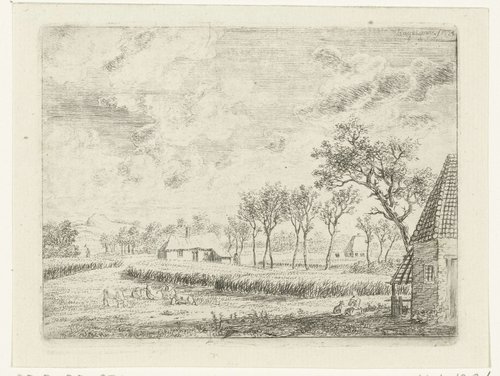
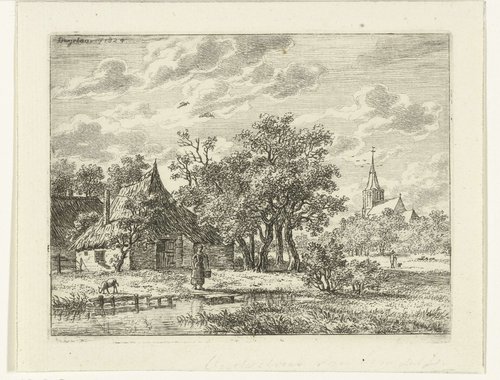
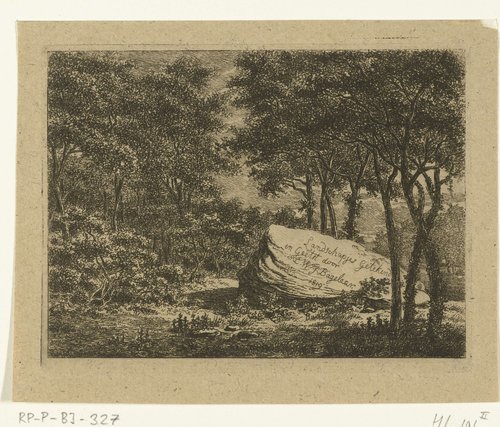
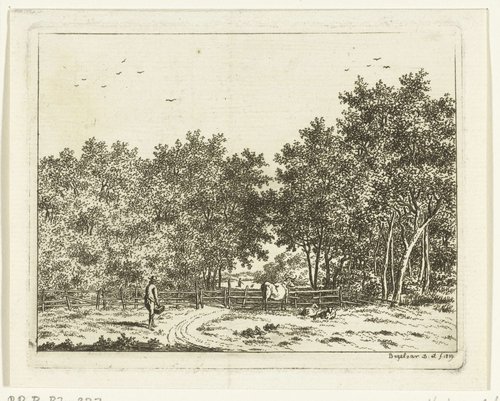
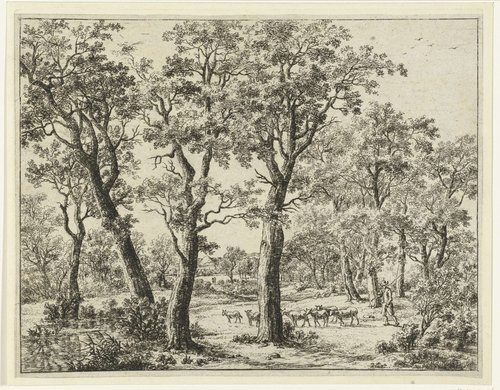
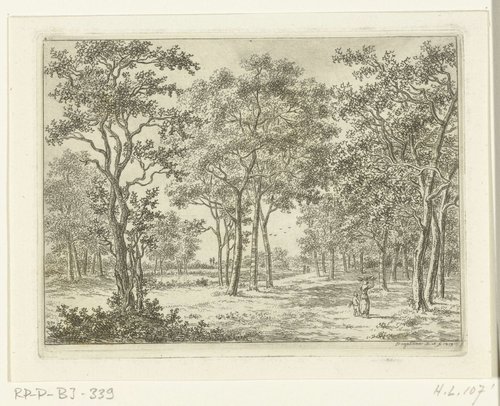
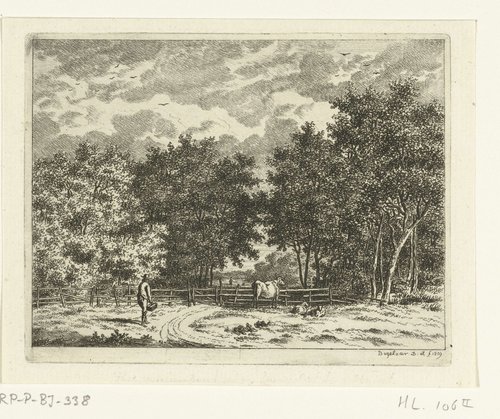
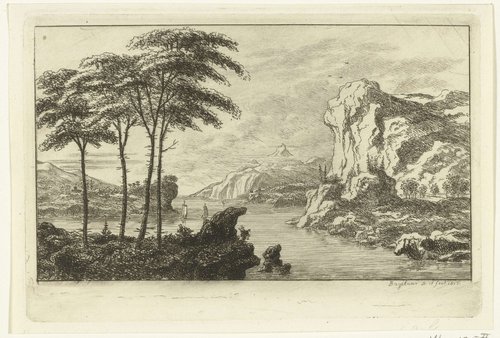
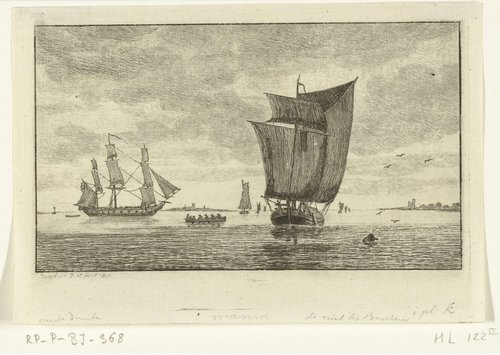
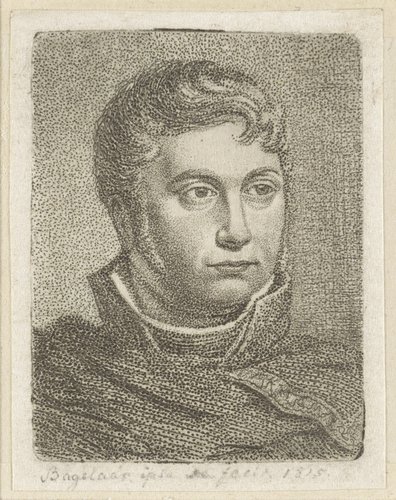
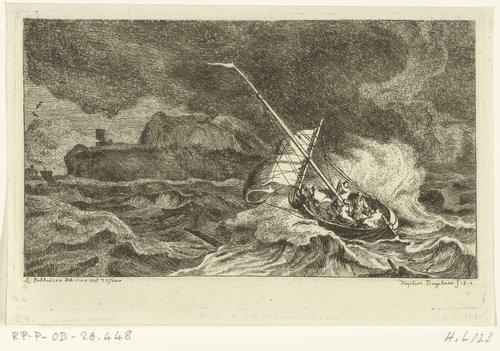
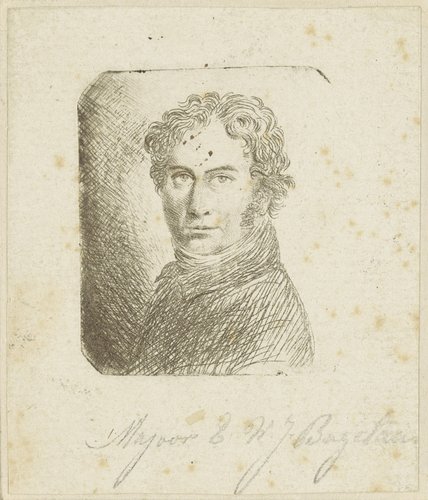
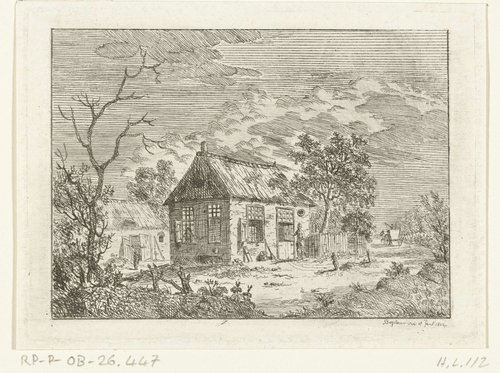
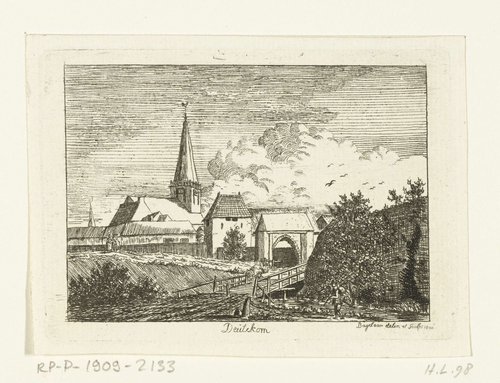
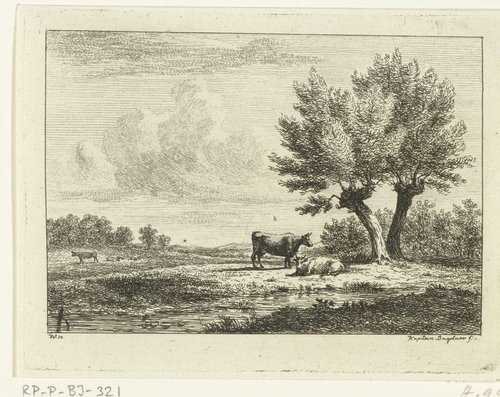
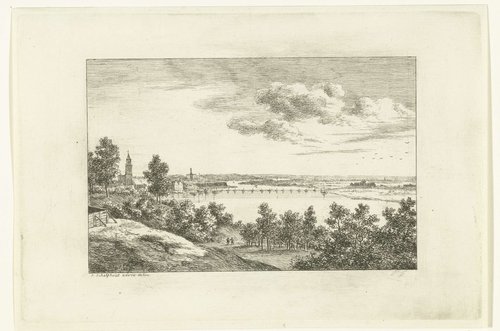
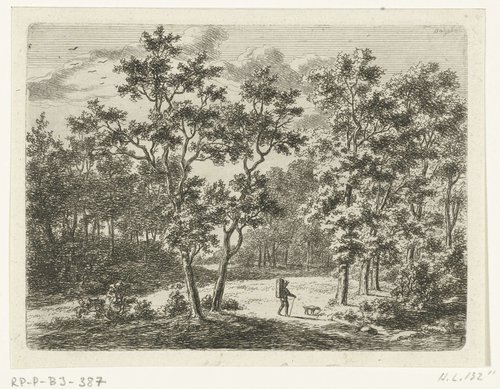
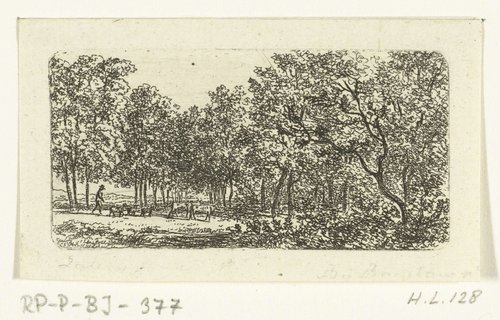
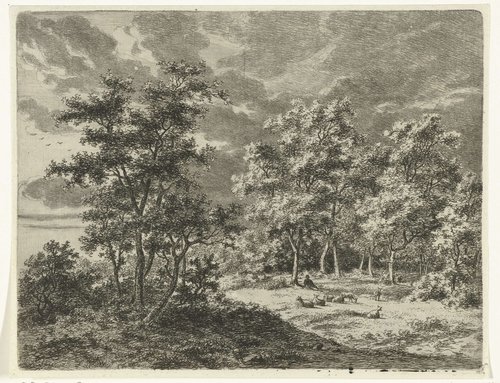
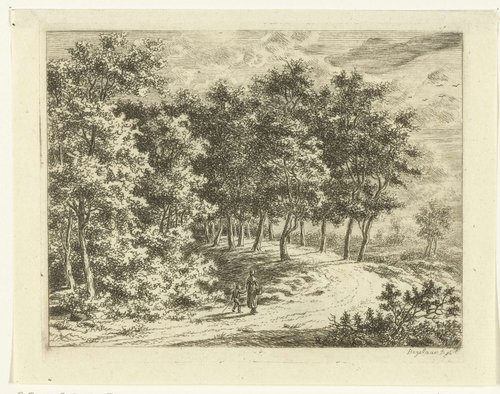
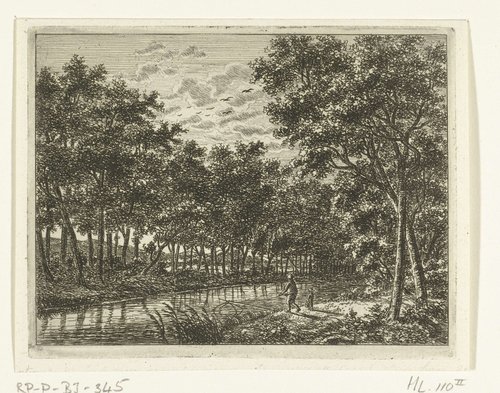
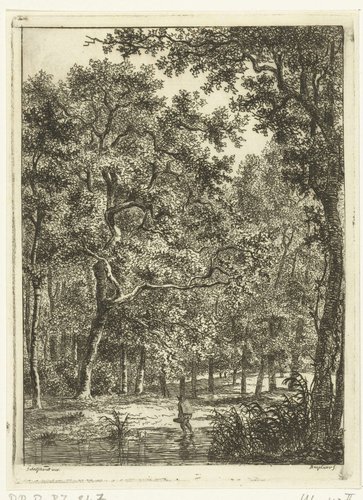
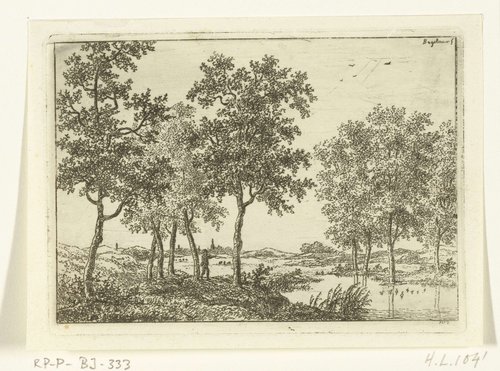
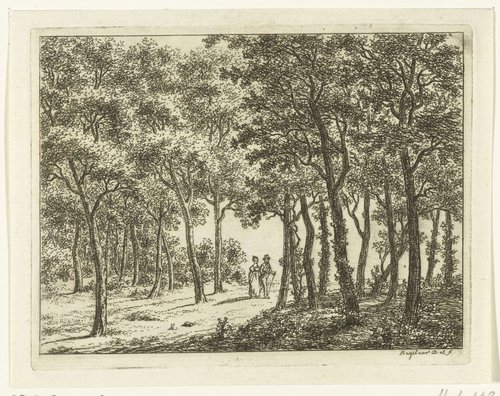
His works found their way into institutional collections, with the Rijksmuseum and other Dutch cultural institutions preserving examples of his etchings, watercolors, and drawings. These works range from reproductive prints to original compositions including landscape and figure studies.
Ernst Willem Jan Bagelaar died on February 8, 1837, in Son (Son en Breugel), near Eindhoven where he had been born 61 years earlier. He exemplified the accomplished amateur tradition—the educated gentleman who combined professional duties with serious artistic practice, contributing to cultural life while maintaining other career commitments.
Artheon Research Team
Last updated: 2025-11-09
Biography length: ~892 words
Wikidata/Wikimedia Commons