Ctrl K
1857–1927
Eugène Atget, born Jean-Eugène-Auguste Atget on February 12, 1857, in Libourne, France, faced early hardship as an orphan at age seven after his carriage-builder father died in 1862 and his mother soon followed. Raised by his maternal grandparents in Bordeaux, he briefly joined the merchant navy after secondary education and pursued acting in Paris from 1878, attending the Conservatoire d'Art Dramatique part-time before expulsion. Unsuccessful as an actor due to vocal issues and later as a painter, Atget turned self-taught to photography around 1888, producing his first images in Amiens and Beauvais before settling in Paris as a professional in 1890, supplying "documents" to artists, decorators, and institutions.
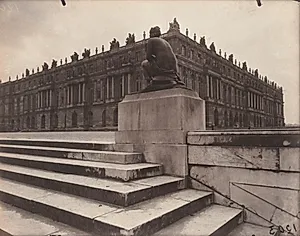
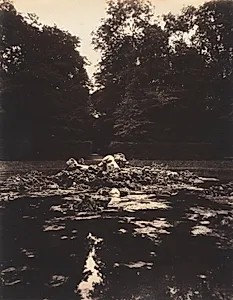
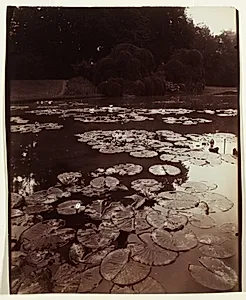
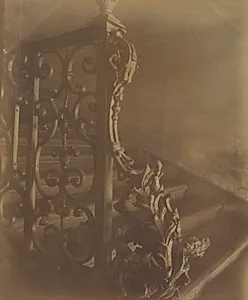
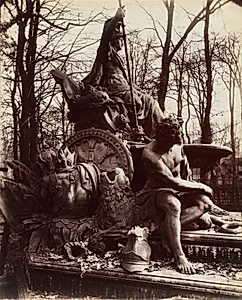
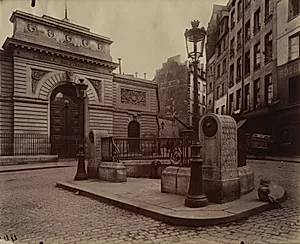
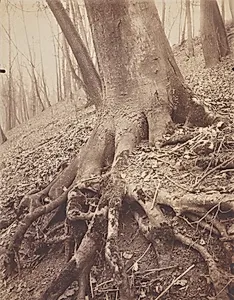
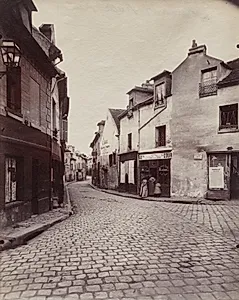
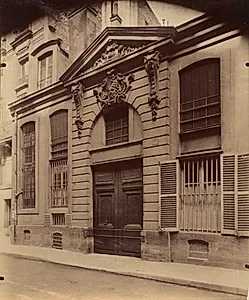
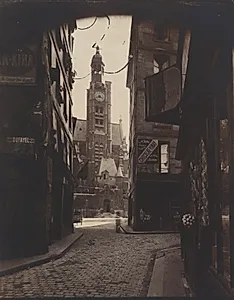
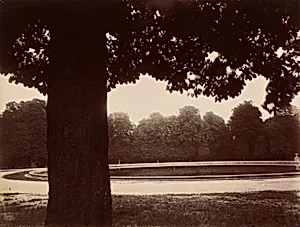
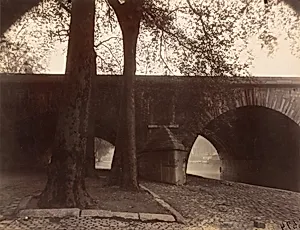
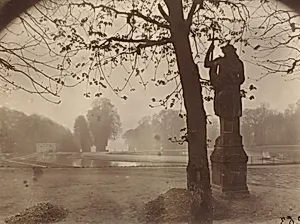
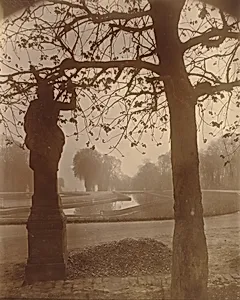
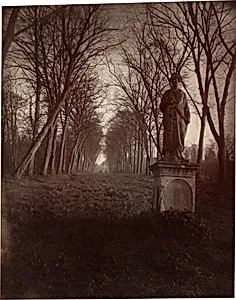
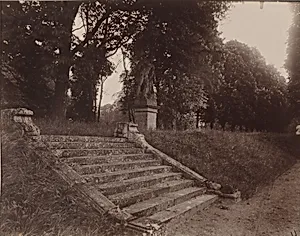
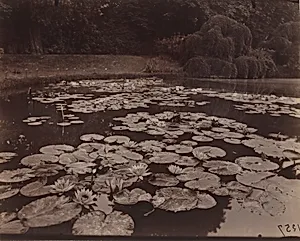
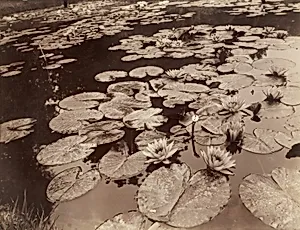
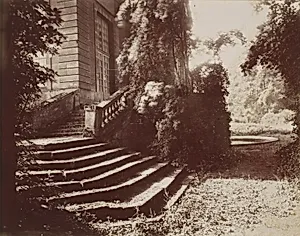
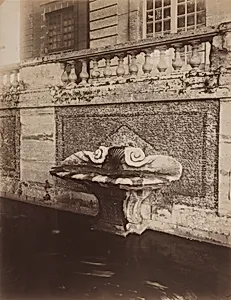
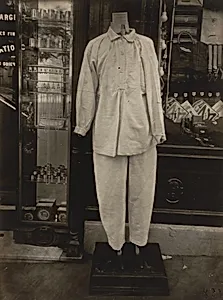
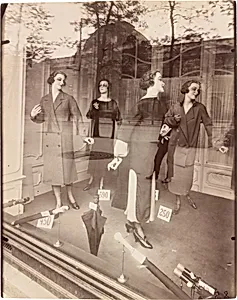
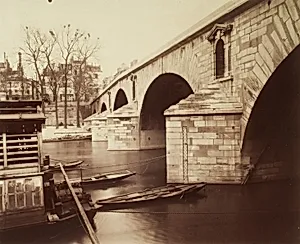
Atget pioneered documentary photography, wielding a large-format wooden bellows camera with 180×240mm glass plates to create contact prints that captured Paris's vanishing pre-Haussmann world with unadorned precision and atmospheric light, often at dawn. His systematic oeuvre—over 10,000 images organized into albums and series—chronicled Old Paris architecture, street trades (*Petits Métiers*), shop windows, interiors (*Intérieurs Parisiens, début du XXe siècle*), Versailles gardens (1901–1927), and parks like Sceaux and Saint-Cloud (1920–1921), alongside poignant scenes such as *Organ Grinder* (1898) and *Avenue des Gobelins* (1927). Eschewing pictorialist softness or modernist abstraction, his direct gaze revealed the city's textures, from escaliers and églises to prostitutes (1920–1921), evoking surrealist wonder despite his commercial intent.
From around 1898, Atget shared his life with former actress Valentine Compagnon until her 1926 death; her son Léon fell in World War I. Clients like Picasso and Matisse valued his records amid modernization, as did the Bibliothèque Nationale. Berenice Abbott rescued his archive post-1927, exhibiting and publishing it—*Atget, Photographe de Paris* (1930)—elevating him to modernist icon, influencing Walker Evans and surrealists via *La Révolution surréaliste*. Today, his encyclopedic legacy endures in collections like MoMA and the Getty, a timeless portrait of belle époque Paris on modernity's brink.
![The Park at Sceaux [April 1925, 7a.m.]](https://images.artheonmuseum.org/cleveland/thumb/the-park-at-sceaux-april-1925-7a-m-cleveland-162339.webp)