
Ctrl K
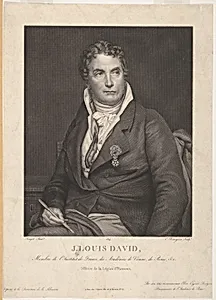
Eugène Bourgeois (1855–1909) was a French painter active in Paris during the vibrant final decades of the 19th century and the dawn of the 20th. Born in the French capital, he lived through an era when Impressionism, Post-Impressionism, and emerging modern movements reshaped the art world, though his own path remains sparsely detailed in major art historical records. Auction databases like Artprice confirm his activity as a creator of paintings, prints, multiples, drawings, and watercolors, with works entering the market over the years, indicating a professional career likely centered in Parisian artistic circles.
Bourgeois's early life and training are not well documented in accessible sources such as Wikipedia or standard art history references. No specific teachers, mentors, or art schools are identified, leaving his formative influences unclear. He did not appear to align prominently with dominant movements like Impressionism or Symbolism, and without verified affiliations, his stylistic development—whether academic, realist, or otherwise—eludes precise categorization. This obscurity contrasts with better-known contemporaries, underscoring how many mid-level artists from the Belle Époque fade from grand narratives despite producing tangible output.
Among his known contributions, Bourgeois's works have surfaced in auctions, suggesting a focus on traditional media that appealed to collectors. Specific major pieces with dates are not highlighted in biographical overviews, but at least two artworks reside in institutional collections, preserving his legacy amid private sales. Artprice records track indices and price levels for his oeuvre, reflecting steady, if niche, interest from connoisseurs.
Though Bourgeois's impact lacks the fanfare of giants like Monet or Cézanne, his persistence as a Parisian practitioner exemplifies the breadth of French art production during a transformative period. His modest legacy endures through surviving pieces, inviting further scholarly attention to reclaim overlooked talents from the era. (312 words)
No artworks found for this artist