Ctrl K
1855
**Eugene C. Miller: Documenting America's Folk Craft Legacy**
Eugene C. Miller was an American artist active during the mid-1930s, best known for his meticulous contributions to the Index of American Design, a groundbreaking Works Progress Administration (WPA) initiative under the New Deal. Launched in 1935, this federal project commissioned artists across the United States to create precise watercolor renderings of everyday folk art objects, preserving a visual record of the nation's material culture before it faded into obscurity. Miller's early life and training remain not well documented, with no records of specific teachers, art schools, or mentors identified in available sources. His emergence aligns with the Depression-era surge in public art programs, where talents like his were harnessed to celebrate American craftsmanship.
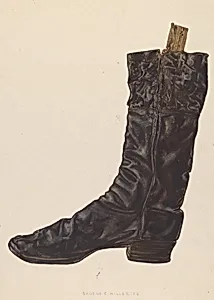
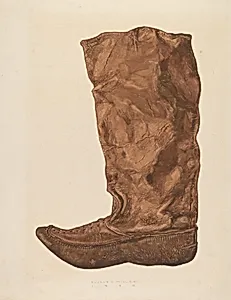
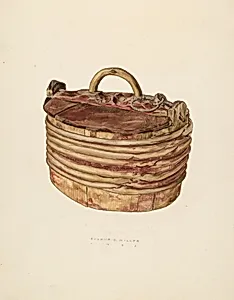
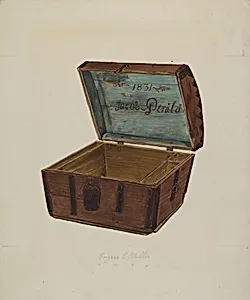
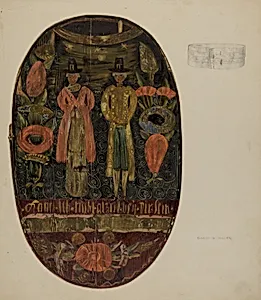
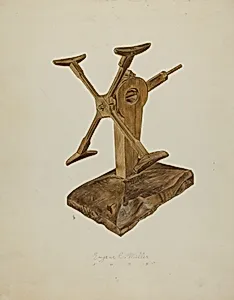
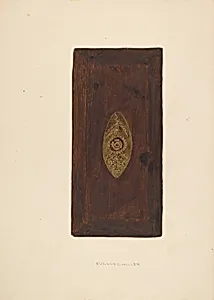
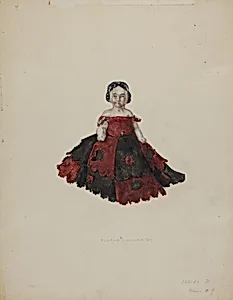
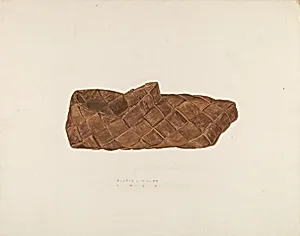
Working primarily in watercolor, graphite, pen and ink, and occasionally gouache or colored pencil on paperboard, Miller captured the textures and details of utilitarian items with scientific accuracy and artistic sensitivity. His oeuvre in the National Gallery of Art's collection includes nine standout pieces from 1937–1938, such as *Man's Boot* (c. 1938), a rugged leather footwear study; *Pa. German Hat Box* (c. 1938), showcasing Pennsylvania Dutch decorative motifs; *Birch Bark Shoe* (1938), evoking Native American traditions; *Pen Wiper Doll* (c. 1937), a whimsical sock-based novelty; *Wooden Chest* (1938); *Butter Tub* (1938); *Tobacco Box Cover* (c. 1937); *Reel* (1938); and *Boot* (1938). These works transcend mere documentation, infusing folk objects—boots, boxes, tubs, and dolls—with a quiet dignity that highlights regional ingenuity and handmade charm.
Miller's renderings embody the Index's ethos: to affirm American design as a vibrant, democratic art form amid economic hardship. Though his personal biography is sparse, his legacy endures through these preserved images, which inform art history, museum curation, and cultural studies today. Housed prominently at the National Gallery of Art, they remind us how ordinary artifacts encode stories of labor, migration, and creativity, ensuring that the ephemera of American life achieves timeless resonance.
(Word count: 378)