
Ctrl K
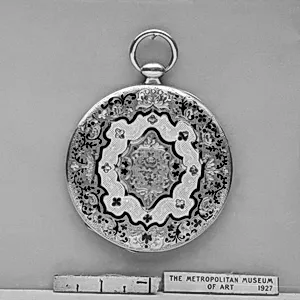
Fatio-Junod was a Swiss watchmaker and enamel artist active in Geneva during the mid-nineteenth century. Recorded in the city’s Plainpalais quarter along Chemin Gourgas from 1844 to 1861, he earned a reputation for finely decorated timepieces, especially the distinctive Bagnolet watches that combined precise horology with delicate enamel work. His output reflects the refined craftsmanship of Geneva’s luxury watchmaking tradition, where enamel painting on gold cases served both decorative and protective purposes.
Working primarily in enamel, Fatio-Junod produced intricate designs suited to pocket-watch covers and dials. One surviving example, a gold watch dated circa 1840–55 and now in the Metropolitan Museum of Art, features colorful enamel scenes executed with the precision typical of Genevan masters. Such pieces highlight his skill in miniature painting, where vibrant hues and detailed motifs were applied to small, curved surfaces destined for daily wear.
Although biographical details about his training remain undocumented, Fatio-Junod’s technical mastery places him firmly within the established Geneva school of enamel watch decoration that flourished in the 1800s. His recorded activity overlaps with the broader Junod family of watchmakers, suggesting possible professional connections, though specific familial ties are not confirmed in surviving records.
Today Fatio-Junod’s legacy rests on the handful of surviving watches that continue to appear at auction and in museum collections. These objects preserve the elegance of Swiss enamel artistry at its peak, offering modern viewers a tangible link to the refined tastes of nineteenth-century Geneva. His single known work in the present virtual museum collection stands as a testament to this specialized yet exquisite craft.