Ctrl K

1833–1914
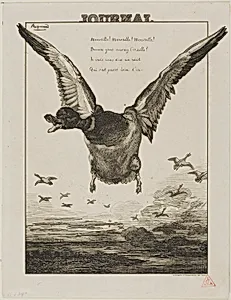
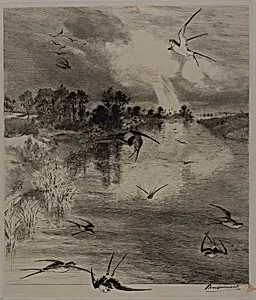
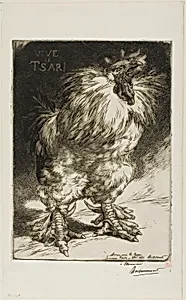
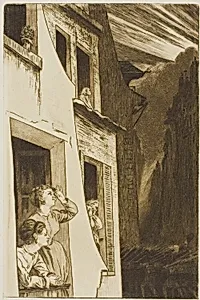
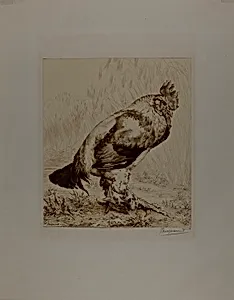
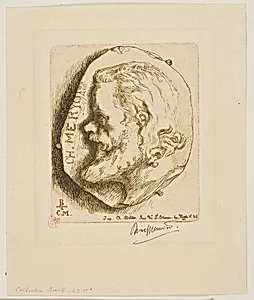
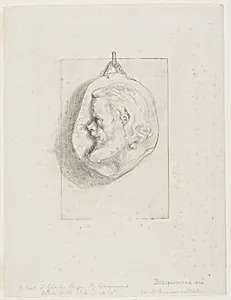
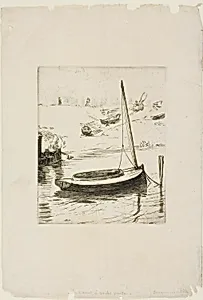
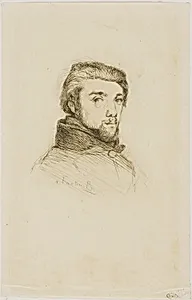
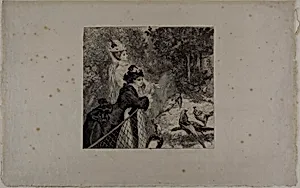
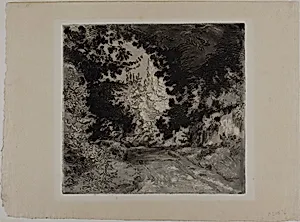
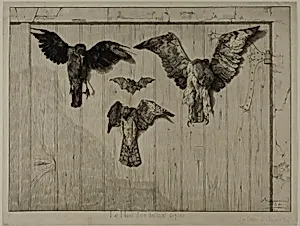
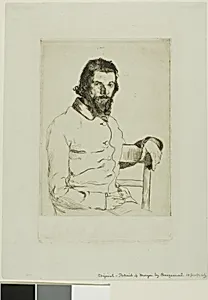
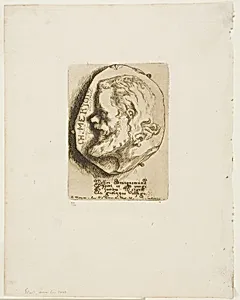
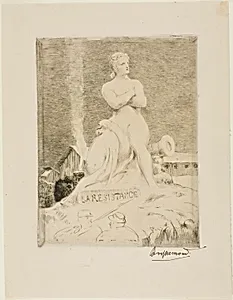
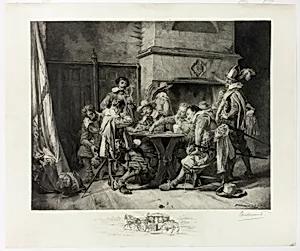
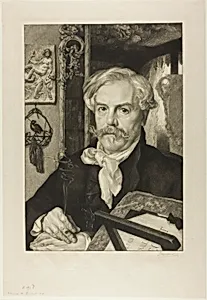
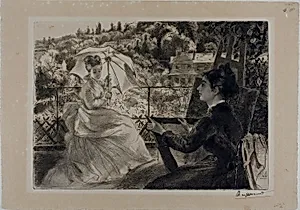
Félix Henri Bracquemond was born in Paris in 1833 and came of age during one of the most transformative periods in French art history. He trained primarily as an engraver and etcher, studying under Joseph Guichard before finding his true calling in printmaking. His technical mastery of etching quickly distinguished him among his contemporaries, and he formed lasting friendships with Édouard Manet, Edgar Degas, and Gustave Courbet, placing him at the very center of the Realist and Impressionist circles that were reshaping European art.
Bracquemond's artistic contribution extended well beyond the print studio. He was among the first French artists to collect and study Japanese ukiyo-e woodblock prints, and his enthusiasm for their bold compositions, flattened perspective, and decorative line helped spark the broader Japonisme movement that swept through Parisian art in the second half of the nineteenth century. His discovery of Hokusai's Manga sketchbooks in the late 1850s is often cited as a pivotal moment in transmitting Japanese aesthetic principles to Western artists.
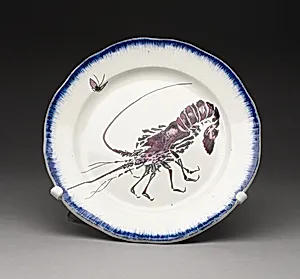
As a decorator and designer, Bracquemond collaborated extensively with the Haviland porcelain company, creating the celebrated Service Rousseau in 1866 — a dinner service whose asymmetrical Japanese-inspired motifs of plants, insects, and birds made it one of the landmark works of applied art in the period. He also designed for the goldsmiths Christofle and contributed decorative programs to major international exhibitions, earning him a reputation that spanned both fine and decorative arts.
Bracquemond was a founding member of the Société des aquafortistes, which championed the revival of original etching as an independent art form rather than mere reproductive craft. His influence on subsequent generations of printmakers was profound, and his role as a connector — linking Realists, Impressionists, craftsmen, and Japanese aesthetics — makes him an essential figure in understanding the richly interconnected art world of nineteenth-century France. He died in Paris in 1914.