
Ctrl K
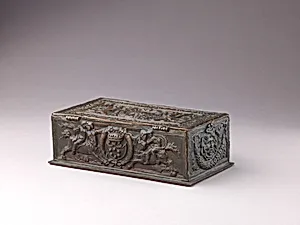
**Manifattura di Signa (Florence Workshop)**
The Manifattura di Signa, a renowned terracotta workshop operating near Florence in the late 19th and early 20th centuries, emerged from Tuscany's rich tradition of ceramic and sculptural production. Centered in Signa, a hub for artistic manufacturing just outside Florence, the workshop drew on the region's legacy of Renaissance craftsmanship, particularly the techniques of glazed and unglazed terracotta popularized by masters like Luca della Robbia. Little is documented about its founders or specific training lineages, reflecting the collaborative nature of such manufactories, which often employed skilled artisans trained in local academies and botteghe. By around 1900, Manifattura di Signa had established itself as a leader in reproducing antique and Renaissance models, transforming intricate bronze originals into accessible terracotta editions for collectors, museums, and decorators worldwide.
The workshop's style faithfully captured the High Renaissance and early Mannerist sensibilities of its models, emphasizing dynamic poses, anatomical precision, and mythological or grotesque motifs. A prime example in this virtual museum's collection is a terracotta sculpture dating to circa 1900, executed after a model attributed to Severo Calzetta da Ravenna (active by 1496, died before 1543), the Italian sculptor who worked in Padua, Ferrara, and Ravenna. Severo, active during the transition from High Renaissance to Mannerism, specialized in small-scale bronzes depicting pagan subjects like sea monsters, satyrs, and dragons, alongside functional items such as inkwells and candlesticks. His only securely documented marble work, the signed *St. John the Baptist* (1500) for the Basilica of Sant'Antonio in Padua, showcases his mastery of expressive realism. Other notable pieces include a *Corpus* from a crucifix in the Cleveland Museum of Art and bronze *Sea Monsters* in collections like the Metropolitan Museum of Art. Pomponius Gauricus referenced Severo in his 1504 treatise *De sculptura*, praising his bronze virtuosity.
Manifattura di Signa's reproductions, like the ca. 1520 Severo model rendered in terracotta, bridged historical art with modern appreciation, preserving fragile bronzes through durable clay. This practice extended Severo's legacy—once celebrated in 1978 Frick Collection exhibitions—into the 20th century, democratizing Renaissance sculpture amid the Grand Tour revival and Arts and Crafts movements. By emulating Severo's intricate details and whimsical grotesques, the workshop not only honored Paduan and Ravennate traditions but also fueled a global fascination with Italianate fantasy, ensuring these works endure in homes and institutions today.
(Word count: 378)