Ctrl K
1912–1995
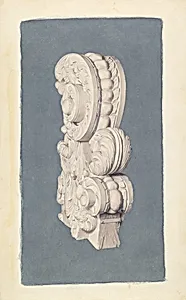
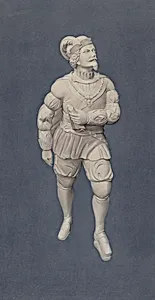
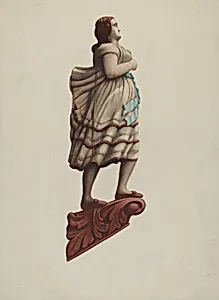
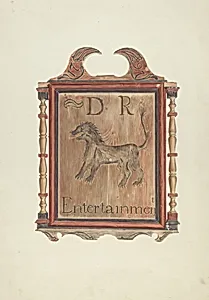
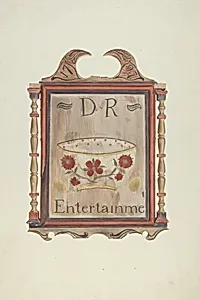
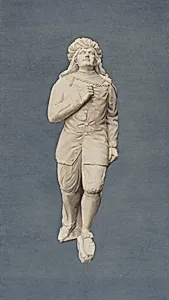
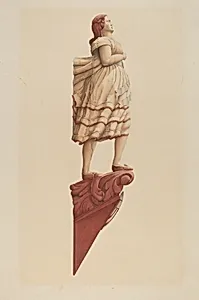
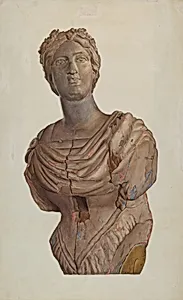
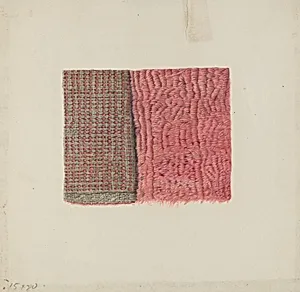
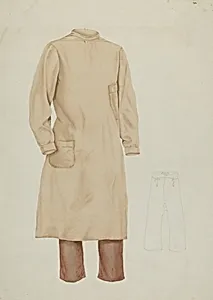
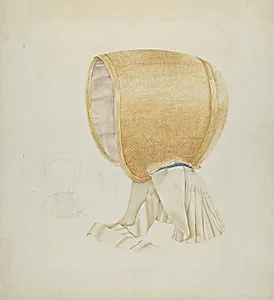
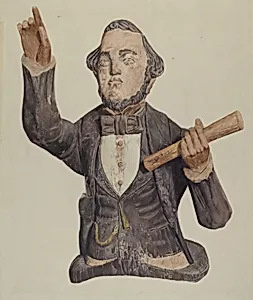
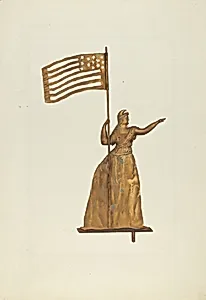
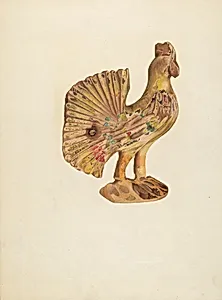
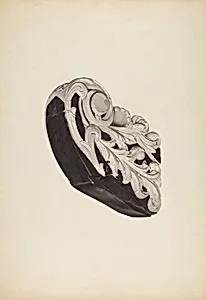
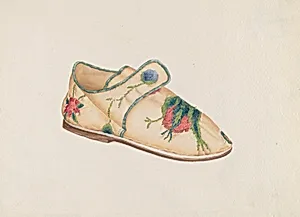
**Frances Cohen** (American, born 1912) is known primarily for her meticulous watercolor and graphite illustrations documenting American folk art as part of the Index of American Design project in the late 1930s and early 1940s. Her contributions form a significant portion of the National Gallery of Art’s holdings in this area, with twenty-four works preserved in the collection. These drawings capture everyday and ornamental objects from early American material culture, rendered with precision and sensitivity to detail.
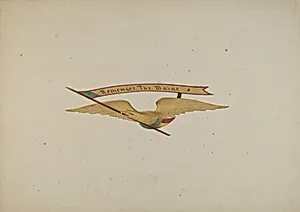
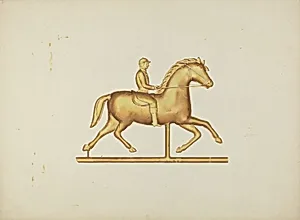
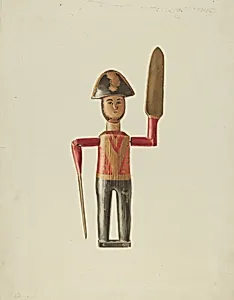
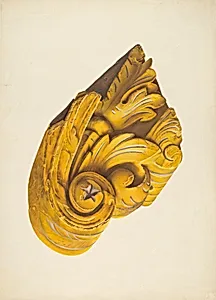
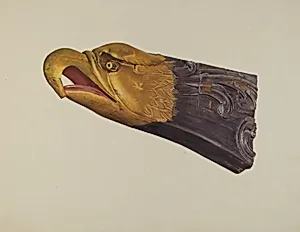
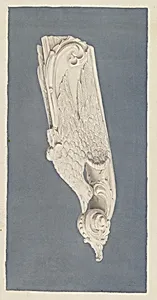
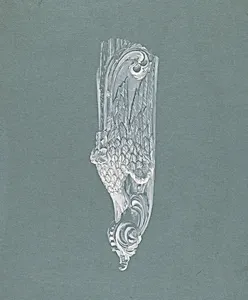
Cohen’s artistic output centered on faithfully recording vernacular artifacts such as ship figureheads, billetheads, weather vanes, shop signs, and whirligigs. Representative examples include her depictions of a “Metal Weather Vane” (c. 1940), an “Ornamental Carving: Eagle” (c. 1940), a “Sailor Jack” Whirligig (1939), and several “Figurehead” studies from 1938. Executed in watercolor, graphite, and occasionally colored pencil on paper or paperboard, her style emphasizes accurate observation and subtle tonal modeling, serving both archival and aesthetic purposes within the broader New Deal-era effort to preserve America’s artistic heritage.
Little is documented about Cohen’s formal training or personal life. No specific mentors or art schools are recorded in available sources, and her biography beyond her Index contributions remains sparse. Her work aligns with the documentary realism of the Index of American Design, which prioritized objective recording over personal expression.
Cohen’s legacy endures through the enduring value of these illustrations in the National Gallery of Art, where they continue to provide scholars and the public with vivid records of pre-industrial American craftsmanship. Her precise renderings help sustain appreciation for folk traditions that might otherwise have been lost, contributing quietly but substantially to the institutional memory of American art history.