Ctrl K
1615–1679
Francesco Allegrini (c. 1615/20–after 1679), born likely in Rome to the painter Flaminio Allegrini from Cantiano near Gubbio, emerged from a family of artists that included his sister, Anna Angelica Allegrini. He trained under Giuseppe Cesari, known as the Cavalier d’Arpino, around 1638–40, before entering the studio of Pietro da Cortona, whose dynamic Baroque style profoundly shaped his own. Elected to the Accademia di San Luca in 1655 alongside Pierfrancesco Mola, Allegrini honed his skills as a frescoist and draughtsman in Rome's vibrant artistic circles.
In Rome, Allegrini secured prestigious commissions from noble families like the Mattei, Aldobrandini, Colonna, and Altieri, as well as popes. For Innocent X, he frescoed Palazzo Pamphilj with scenes from the story of Dido and Aeneas in the early 1650s; for Alexander VII, he contributed to the Vatican logge decorations. His Roman church works included frescoes at Sant’Agnese, Santi Domenico e Sisto, San Marco, and the convent of Santa Maria sopra Minerva. These projects showcased his Cortonesque flair—sweeping compositions, dramatic movement, and illusionistic depth characteristic of high Roman Baroque.
Returning frequently to Gubbio under Bishop Alessandro Sperelli's patronage from 1652 onward, Allegrini adorned local churches with altarpieces and frescoes, blending Roman grandeur with Umbrian devotion. Highlights include the Cappella del Santissimo Sacramento in Gubbio's Duomo (1652–54), featuring the *Coronation of the Virgin* in the cupola and bishop saints on pendentives; *Martyrdom of St Ursula* (c. 1655–57) for San Filippo Neri; and expansive paradise frescoes in Santa Maria del Prato (c. 1677–78). Other notable pieces: *Vision of St Antony of Padua* (c. 1655, San Francesco) and *Pentecost* (1665, Santa Maria della Piaggiola).
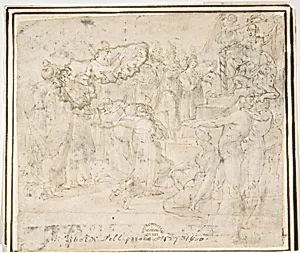
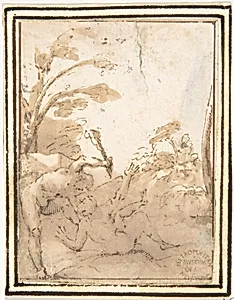
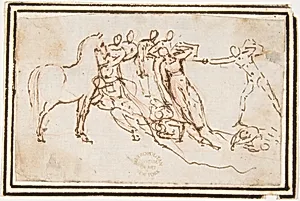
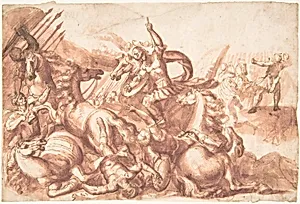
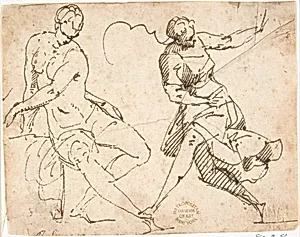
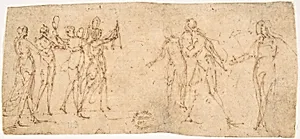
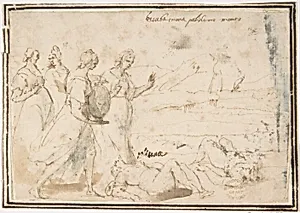
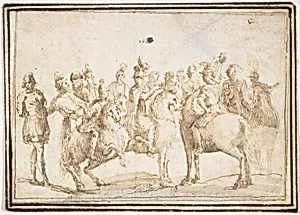
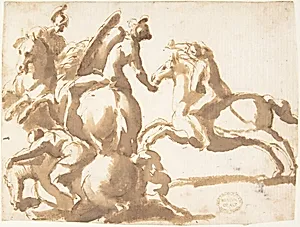
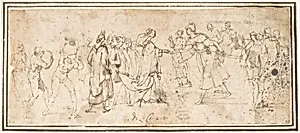
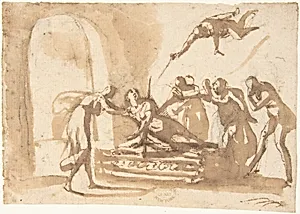
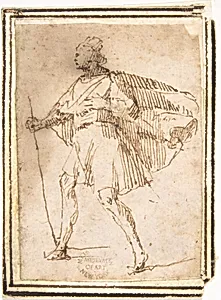
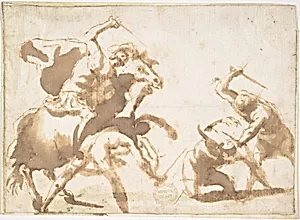
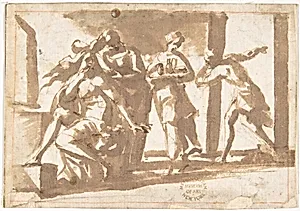
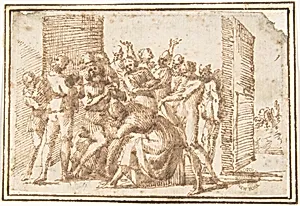
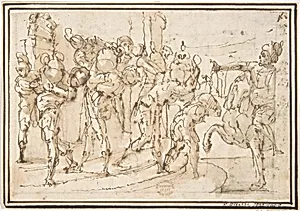
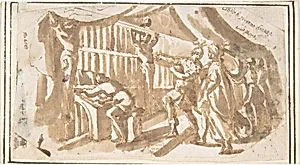
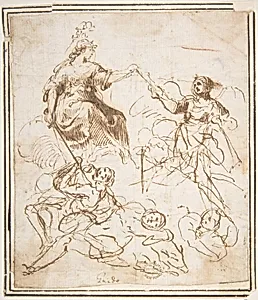
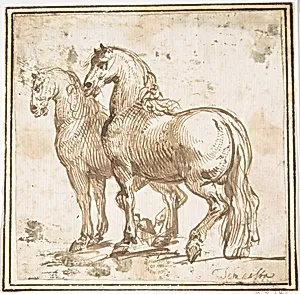
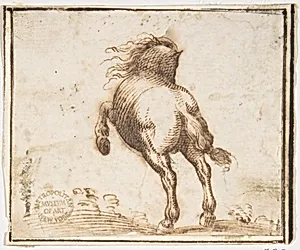
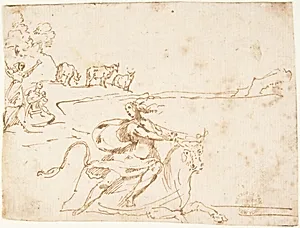
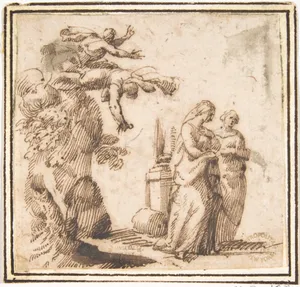
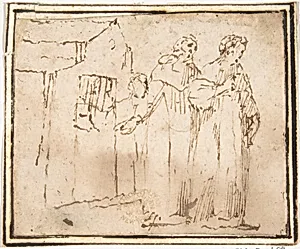
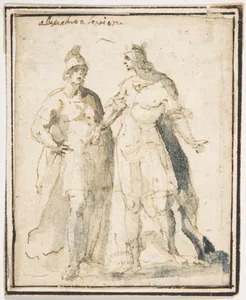
Allegrini's legacy endures through his prolific drawings—over 589 in Leipzig's Museum der bildenden Künste, scores at the Met, National Gallery of Scotland, and elsewhere—celebrated for their graceful penwork, intricate details, and lively figures. A master of both grand frescoes and intimate sketches, he bridged Roman innovation with regional piety, influencing Umbrian art while embodying the exuberance of 17th-century Baroque.