Ctrl K
1723–1783
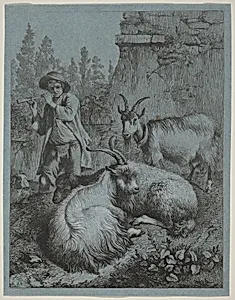
Francesco Londonio (1723–1783), born into a noble Milanese family as the fourth of seven siblings, emerged as one of the 18th century's most prolific interpreters of rural life in Lombardy. He trained under the painters Ferdinando Porta and Giovanni Battista Sassi in Milan, accompanying Porta to Parma where Correggio's works left a lasting impression, and later studied etching techniques with Benigno Bossi starting in 1758. Travels to Rome in 1763 and Naples in 1763–1765 broadened his horizons, exposing him to Northern European landscapes in private collections and inspiring larger, more complex compositions.
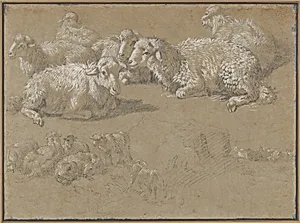
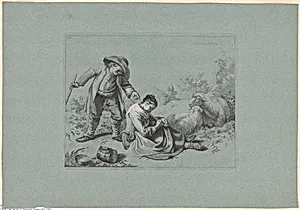
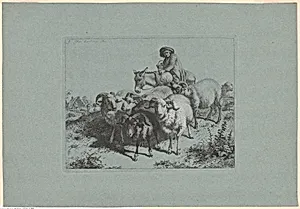
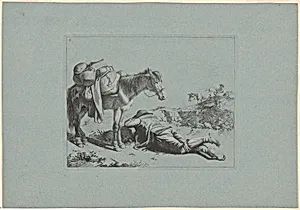
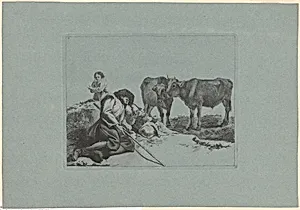
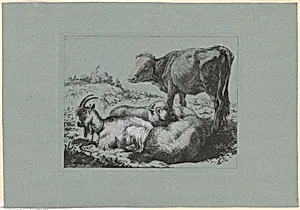
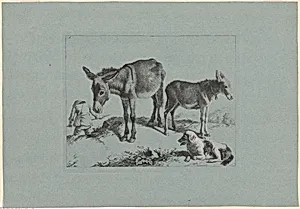
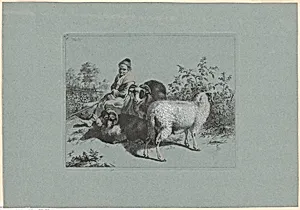
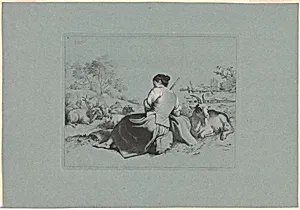
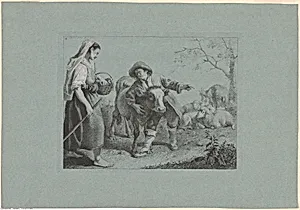
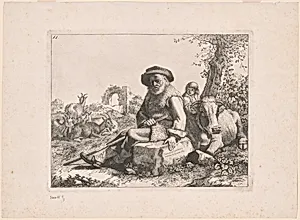
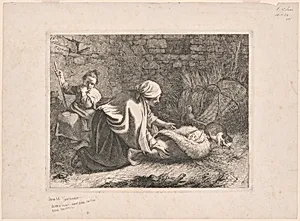
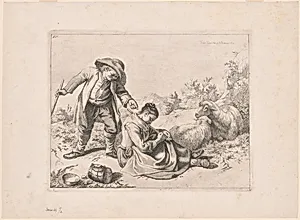
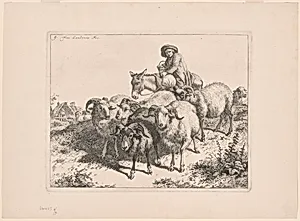
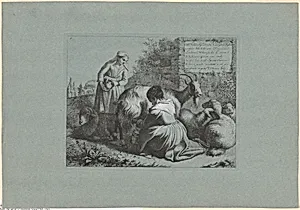
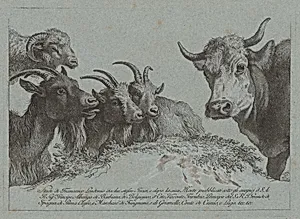
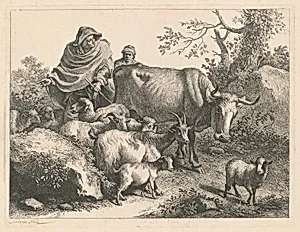
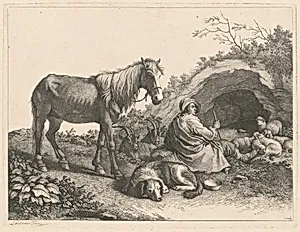
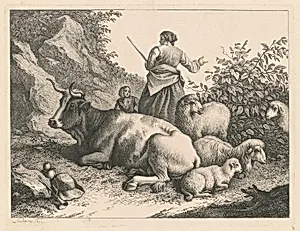
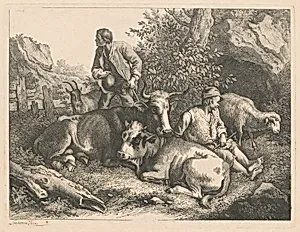
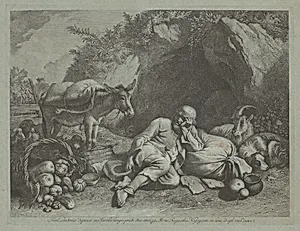
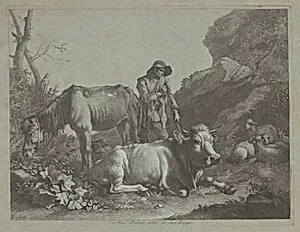
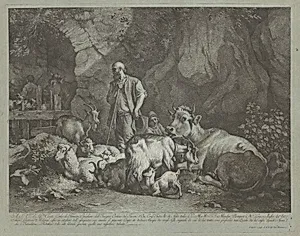
Londonio worked in a late-Baroque to Rococo style, specializing in pastoral and genre scenes dominated by animals, peasants, and idyllic countrysides, blending Arcadian elegance with vivid realism. Influenced by Dutch masters like Nicolaes Berchem, Adriaen van de Velde, and Paulus Potter, as well as Italians Giacomo Ceruti and Rosa da Tivoli, he captured the textures of fur, the gazes of livestock, and the rhythms of agrarian labor with rapid brushstrokes and luminous color. Key works include his innovative nativity scene of painted paper cutouts for Milan’s Chiesa di San Marco around 1750; the drawing of a bull and cow at rest (1753, Biblioteca Ambrosiana); the signed *Mercato di bestiame* (Cattle Market, 1756); self-portraits (1763 and c. 1770, Castello Sforzesco); and series like the 21 pastoral paintings for Palazzo Grianta (1762) and 24 for Villa Alari (1762–1766). He produced 44 etchings between 1759 and 1782, documenting peasant life with documentary precision.
Patronized by elite families like the Borromeo (40 works at Isola Bella), Mellerio (who hosted him at Villa del Gernetto, site of another elaborate presepe), Greppi, and Tanzi, Londonio also designed sets for La Scala theater under Empress Maria Theresa. His legacy endures in major collections—the Pinacoteca di Brera holds 61 paintings donated by his grandson, the Biblioteca Ambrosiana over 450 works including 250 drawings, and institutions worldwide cherish his etchings for their authentic portrayal of Enlightenment-era Lombardy. Londonio's art bridges mythology's grandeur with everyday poetry, inviting viewers into a harmonious world of herds and harvests.