
Ctrl K
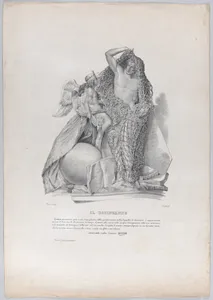
**Francesco Queirolo (1704–1762)** was an Italian sculptor born in Genoa who became one of the leading figures of the Rococo period through his work in Rome and Naples. He trained initially under Bernardo Schiaffino in his native city before completing his studies in the Roman studio of Giuseppe Rusconi.
From the mid-1730s onward, Queirolo contributed decorative sculptures to major architectural projects in Rome, collaborating with architects such as Alessandro Galilei, Nicola Salvi, and Ferdinando Fuga. His early Roman output includes over-life-size travertine statues of Saint Philip Benizi (1734–35) on the façade of San Giovanni dei Fiorentini, Saint Charles Borromeo (1742–43) at Santa Maria Maggiore, and *Gifts of Autumn* (1735) for the Trevi Fountain, along with stucco decorations and tomb monuments in churches like Sant’Andrea delle Fratte.
In 1752, Prince Raimondo di Sangro summoned him to Naples to direct the sculptural program for the family chapel, the Cappella Sansevero. There Queirolo created his masterpiece, the marble group *Il Disinganno* (*The Release from Deception*, 1752–1759), an astonishing technical feat carved from a single block that depicts an angel freeing a fisherman from an intricately rendered net. The work exemplifies his shift from late Baroque classicism toward the lighter, more elegant international Rococo style.
Queirolo’s legacy rests on his extraordinary virtuosity in marble—particularly his ability to suggest delicate fabrics and netting—and on his pivotal role in the decoration of one of Naples’ most celebrated Baroque interiors. His sculptures continue to draw admiration for their emotional expressiveness and technical brilliance.