Ctrl K
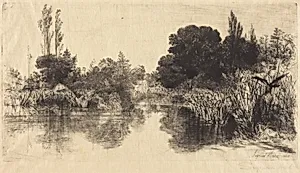
1818–1910
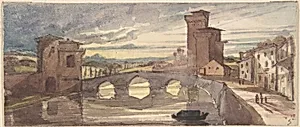
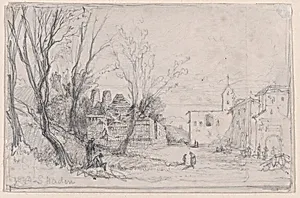
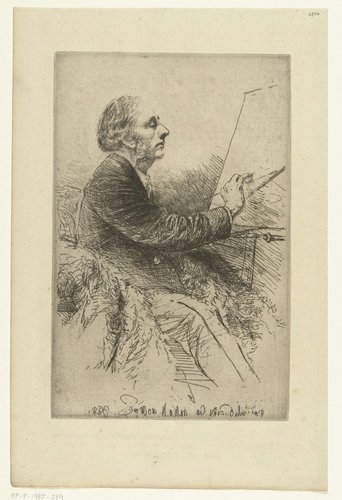
Sir Francis Seymour Haden (1818–1910) was a pioneering English etcher and distinguished surgeon whose passion for printmaking elevated him to the forefront of Britain's Etching Revival. Born on 16 September 1818 in Chelsea, London, to physician Charles Thomas Haden, he received a classical education at Derby School and Christ's Hospital before pursuing medicine at University College London and the Sorbonne in Paris, earning his medical degree in 1840 and fellowship of the Royal College of Surgeons in 1842. In 1847, he married musician Deborah "Dasha" Whistler, half-sister to artist James McNeill Whistler, forging a familial and early artistic bond. Self-taught with no formal art training, Haden immersed himself in the prints of old masters like Rembrandt, Dürer, and Lucas van Leyden, producing his first etchings during a 1843–44 trip to Italy and intensifying his practice around 1857 as a recreational pursuit alongside his medical career.
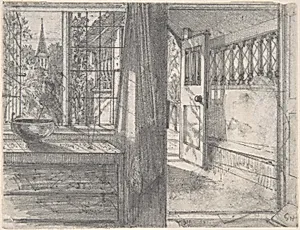
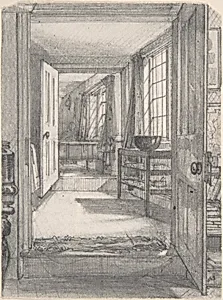
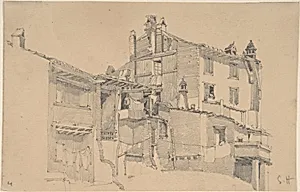
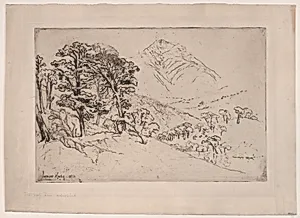
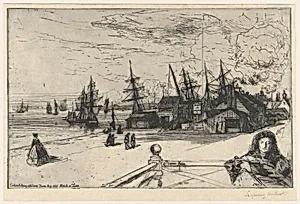
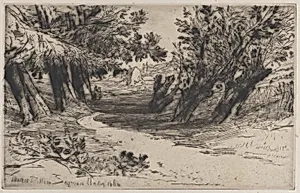
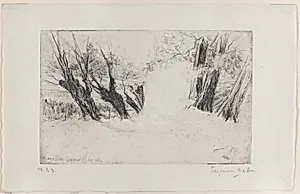
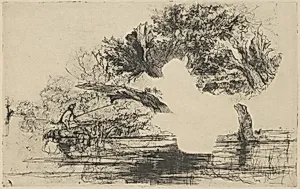
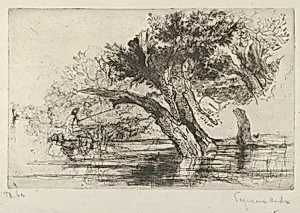
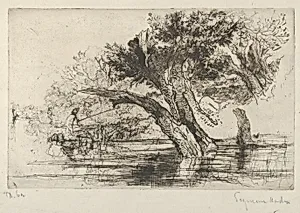
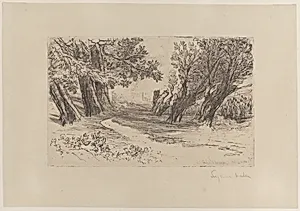
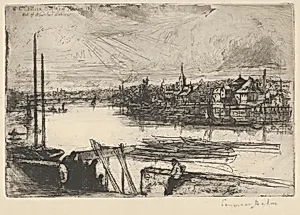
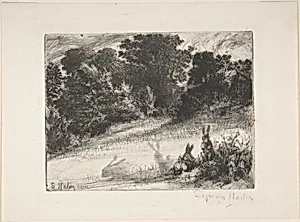
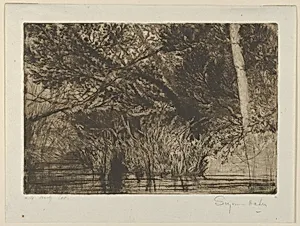
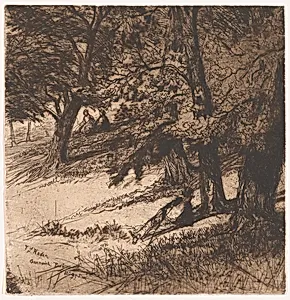
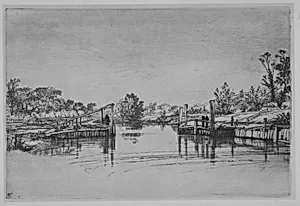
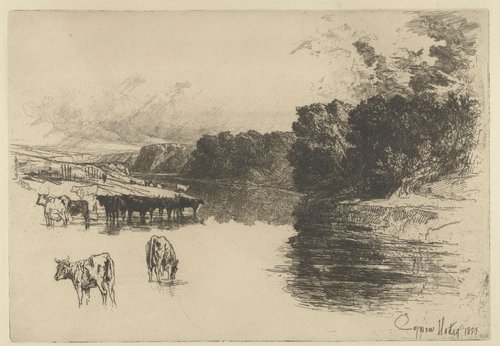
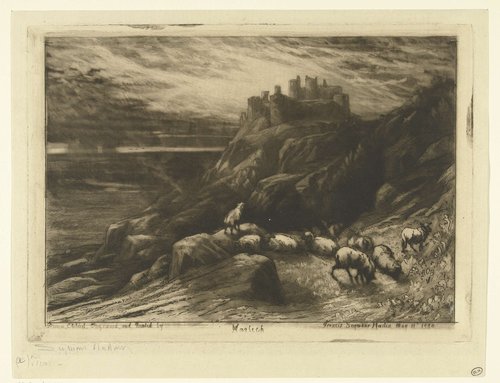
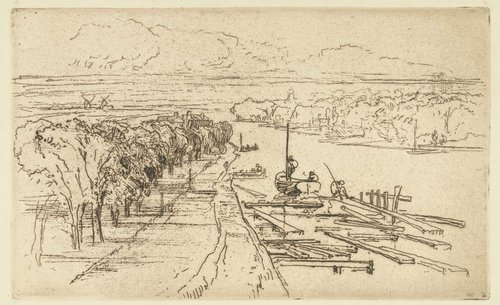
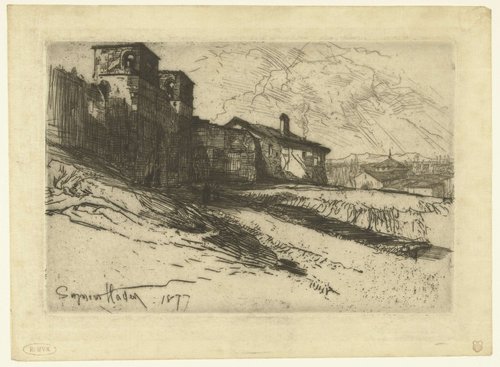
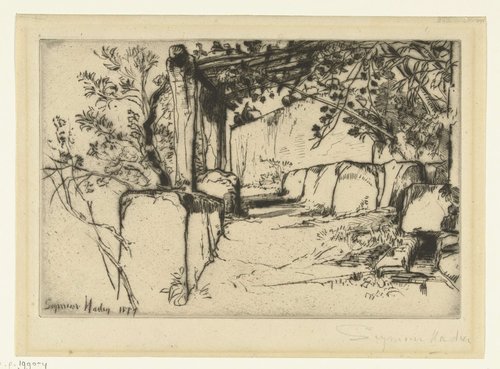
Haden's style emphasized spontaneous, direct etching from nature, capturing landscapes with exquisite line work, drypoint burr, and a mastery of light and omission to distill essence—often evoking 17th-century Dutch traditions while working in the etching revival vein. His brother-in-law Whistler briefly invigorated his output in 1855, leading to collaborative Thames views, though their aesthetic rift soon ended the partnership. Among his approximately 263 original plates, standouts include *Thames Fishermen* and *Mytton Hall* (both 1859), *Sub Tegmine* (1859), *Early Morning—Richmond* (c. 1859), *Old Chelsea, Out of Whistler's Window* (1863), *Sunset in Ireland* (1863), and *Breaking up of the Agamemnon* (1870), celebrated for their poetic freshness and topographic precision. Later mezzotints like *An Early Riser* (1897) expanded his repertoire.
In 1880, Haden founded and presided over the Society of Painter-Etchers (later Royal Society of Painter-Printmakers) for three decades, enforcing rigorous standards against reproductive prints to champion original work. Knighted in 1894 and awarded the Paris Grand Prix (1889, 1900), he lectured widely, authored influential texts like *About Etching* (1879), and amassed a Rembrandt collection that advanced scholarly cataloguing. Haden's legacy endures in major institutions worldwide, from the British Museum to the National Gallery of Art, affirming etching's status as fine art.