Ctrl K
1807–1879
Francisco Fierro, known affectionately as Pancho Fierro, was born in Lima, Peru, in 1807, the son of an African-descended enslaved woman and, by some accounts, a Spanish priest. He grew up in the social margins of colonial and early republican Lima, and his art is inseparable from that position: an acute, sympathetic, and often satirical observer of a society stratified by race, class, and custom. Largely self-taught, Fierro developed a distinctive watercolor technique that was spontaneous and economical, capturing the bustling street life of Lima with immediacy and wit.
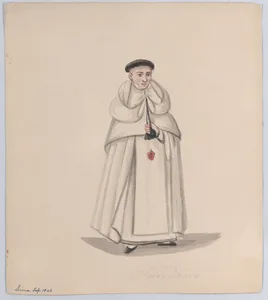
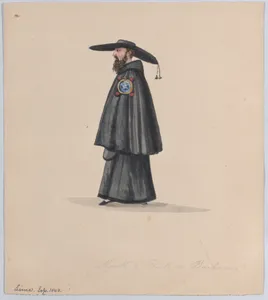
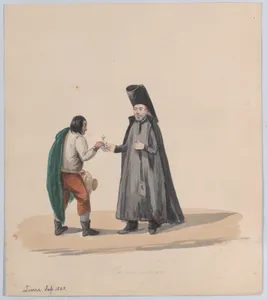
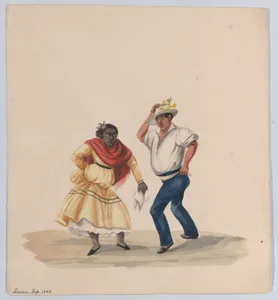
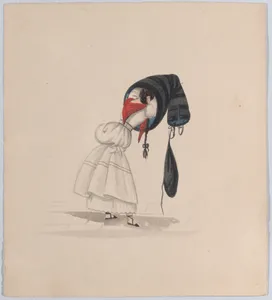
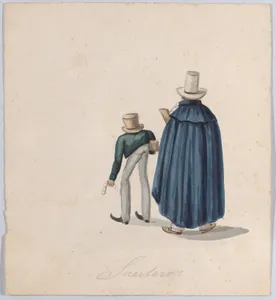
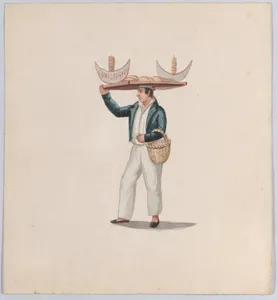
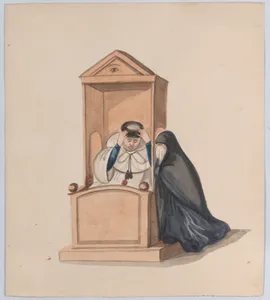
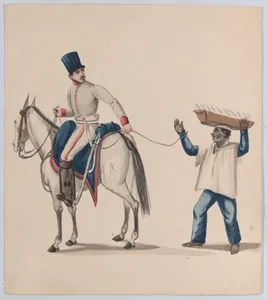
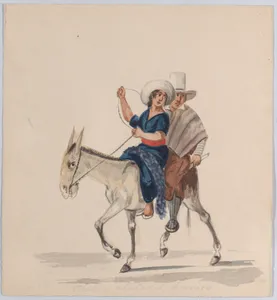
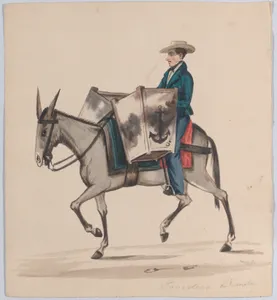
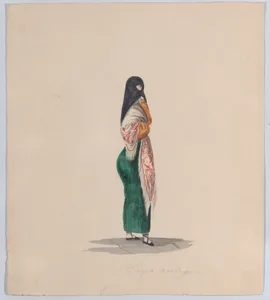
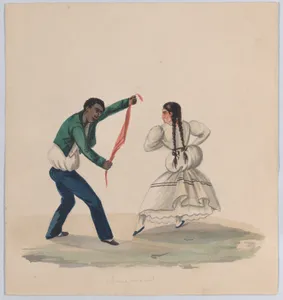
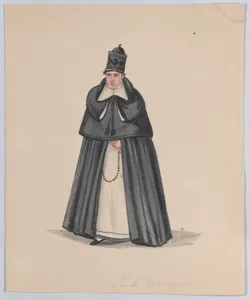
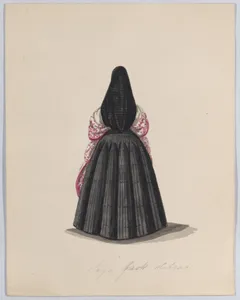
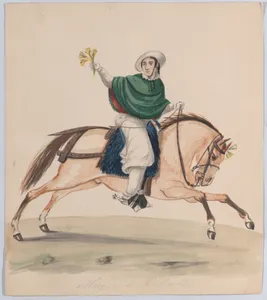
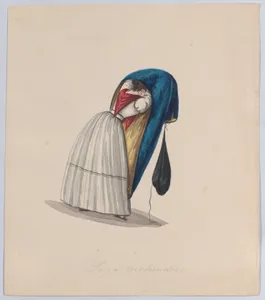
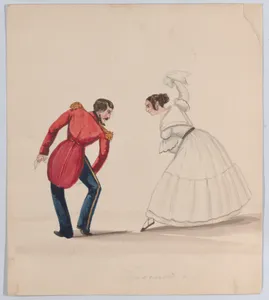
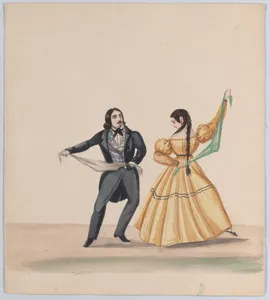
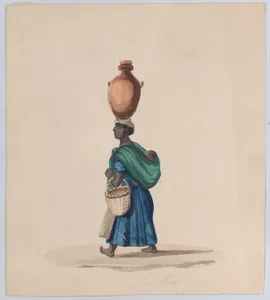
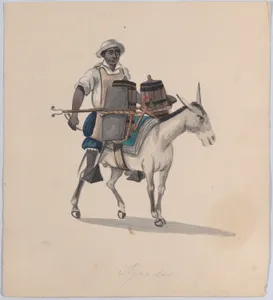
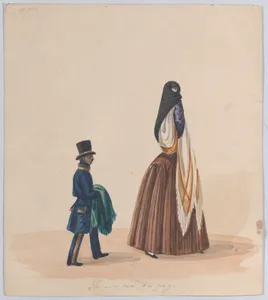
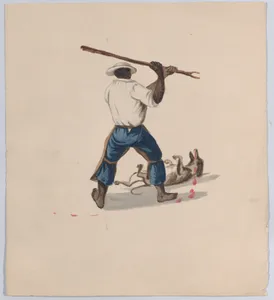
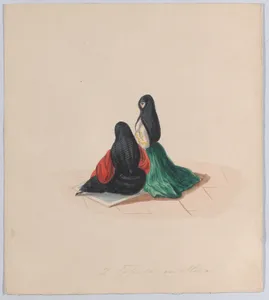
Fierro's subjects were drawn almost exclusively from the popular world around him — vendors, bullfighters, religious processions, domestic servants, tavern scenes, military parades, and the intricate social rituals of a city navigating its transition from Spanish colony to independent republic. His figures are rendered with expressive economy, their postures and gestures conveying character and mood in a few deft strokes. He had an extraordinary gift for physiognomy and costume, and his works constitute an invaluable ethnographic record of Lima's diverse urban population in the mid-nineteenth century.
Although Fierro never traveled to Europe and had no formal academic training, his work attracted the attention of educated Peruvians and foreign visitors alike. He sold his watercolors individually, often for modest sums, and his sheets were collected and copied during his own lifetime. The writer Ricardo Palma, author of the celebrated Tradiciones Peruanas, was among his admirers and helped secure Fierro's posthumous reputation as a foundational figure in Peruvian popular art.
Fierro died in Lima in 1879, leaving behind a body of work that is now considered essential to understanding the visual culture of nineteenth-century Peru. He is celebrated not only as a pioneering artist of Afro-Peruvian heritage but as the foremost chronicler of Lima's streets during a pivotal era of national formation. His watercolors hang in the major collections of Lima and continue to be studied as documents of social history as much as works of art.