Ctrl K
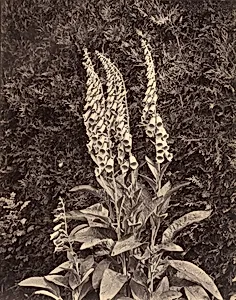
1839–1928
**Frank Mason Good (1839–1928) was a British photographer renowned for his documentary images of Egypt, the Near East, and the Middle East during the mid-to-late nineteenth century.**
Good began his career as an assistant to the pioneering travel photographer Francis Frith. Frith sponsored and commissioned Good’s first expeditions to Egypt and the Near East in the mid-1860s, launching his independent work in the region. He joined the Photographic Society in 1864 and remained active through the 1880s, producing albumen and carbon prints that captured ancient monuments and emerging modern sites with clarity and precision.
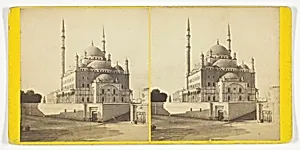
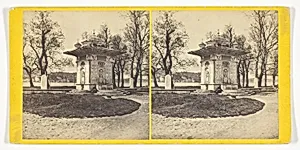
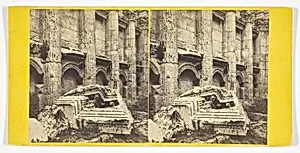
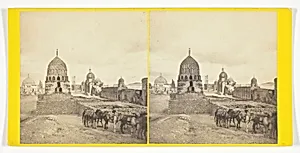
Good’s artistic approach aligned with the documentary and Orientalist traditions of Victorian travel photography. He focused on iconic subjects such as the Pyramids and Sphinx at Giza, the temples and colossi at Thebes, views of Constantinople, and scenes along the Suez Canal. Notable works include his signed carbon print of the Pyramid and Sphinx (printed circa 1860) and albumen prints of fountains in Constantinople and Egyptian ruins, many of which survive in museum holdings.
His photographs are preserved in major collections including the J. Paul Getty Museum, the Art Institute of Chicago, the Cincinnati Art Museum, and the National Gallery of Art. Good’s images continue to serve as valuable historical records of sites and landscapes as they appeared in the 1860s and 1870s, contributing to the visual archive of nineteenth-century exploration and archaeology.