Ctrl K
1855
Frank Maurer was an American artist active during the late 1930s, best known for his contributions to the Index of American Design, a monumental Works Progress Administration (WPA) Federal Art Project initiative launched in 1935. This ambitious endeavor employed hundreds of artists across the United States to create precise watercolor renderings of everyday folk art objects, crafts, and design elements, preserving a visual record of America's material culture amid the Great Depression. Maurer's early life and training remain sparsely documented, with no records of specific teachers, art schools, or formal education surfacing in historical sources. His professional output aligns closely with the project's documentary ethos, emphasizing meticulous realism over personal expression.
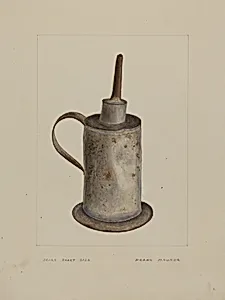
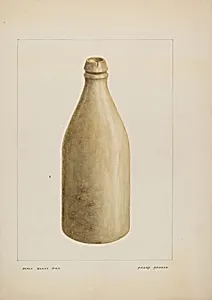
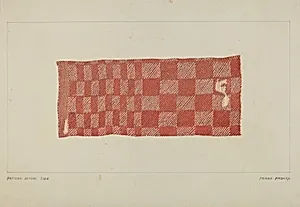
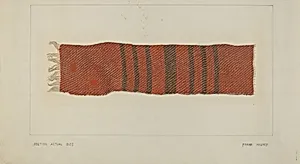
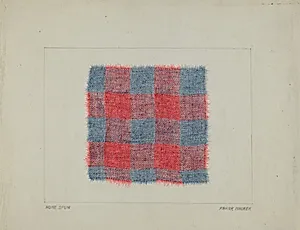
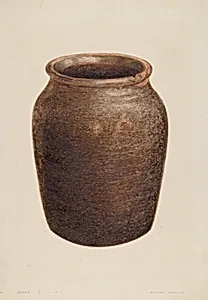
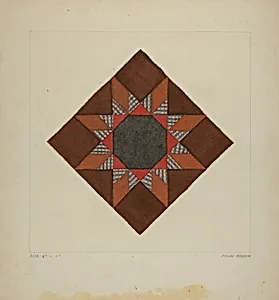
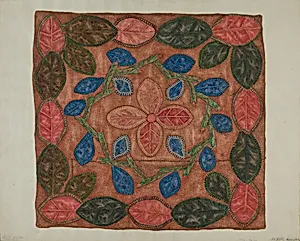
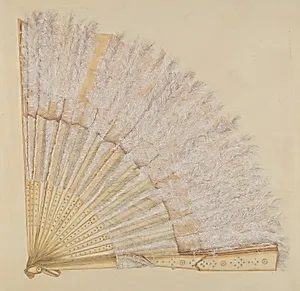
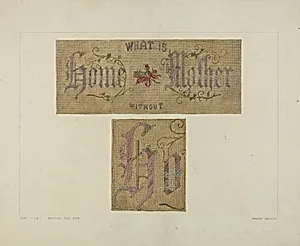
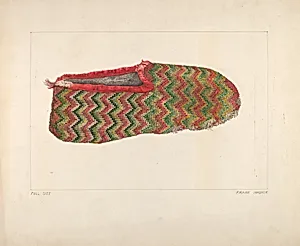
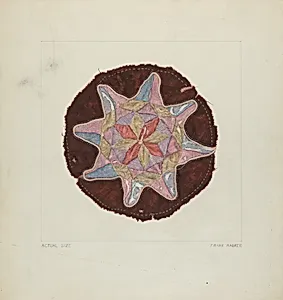
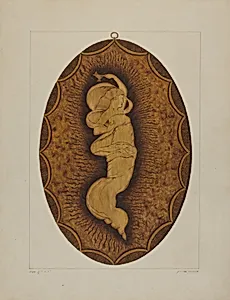
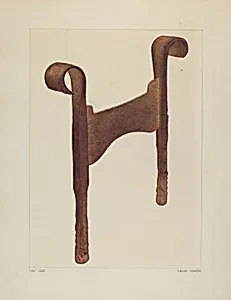
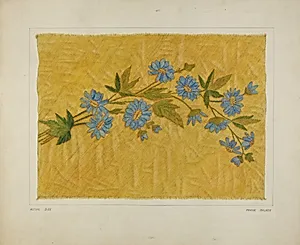
Maurer's style exemplifies the Index's technical rigor: detailed, objective depictions in watercolor, graphite, gouache, or colored pencil on paper or paperboard, capturing textures, forms, and historical significance with scientific accuracy. He worked in this utilitarian tradition, rendering utilitarian and decorative items from colonial and early American life, such as textiles, ceramics, and tools. Among his major works held by the National Gallery of Art—where fifteen pieces reside—are *Wick Lamp* (c. 1938), a luminous study of a simple lighting device; *Linsey Blanket* (c. 1938), showcasing homespun wool weave; *Stone Bottle* (c. 1938), highlighting earthenware craftsmanship; *Crewel Embroidery* (1935/1942); *Sampler* (1935/1942); *Woman's Slipper* (1935/1942); and *Burnt Plaque* (1935/1942). These renderings, acquired by the NGA in 1943, transform humble artifacts into enduring artistic documents.
Though Maurer's personal legacy is elusive due to the project's collaborative nature, his illustrations played a vital role in elevating folk art to national prominence. The Index of American Design, incomplete at the WPA's end in 1943, influenced postwar appreciation for vernacular aesthetics and regional traditions. Today, Maurer's precise visions in the NGA collection educate viewers on America's inventive spirit, bridging craft and fine art in a way that resonates with contemporary interests in cultural heritage and material history.