Ctrl K
1689–1740
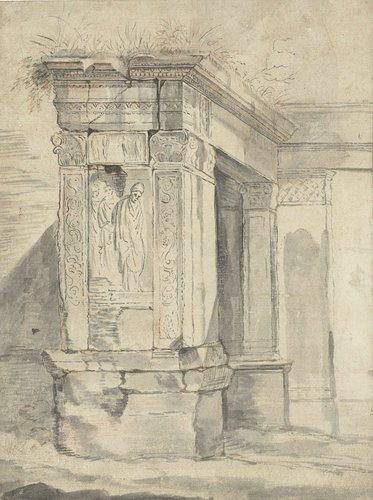
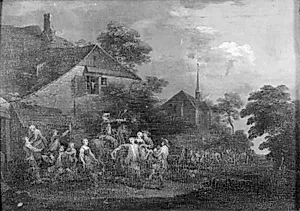
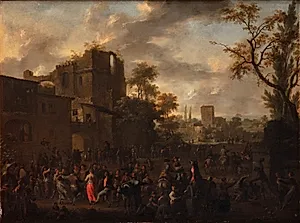
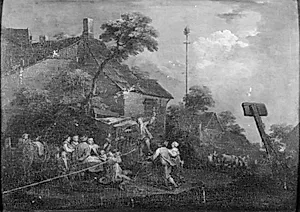
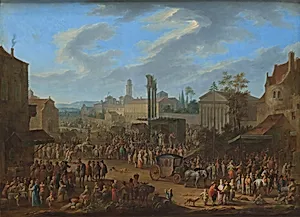
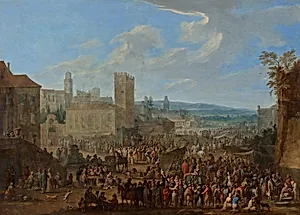
**Franz de Paula Ferg** (2 May 1689 – 1740), also known as Francis Paul Ferg, was an Austrian painter, draughtsman, and printmaker renowned for his detailed scenes of everyday life, including markets, villages, fairs, and peasant gatherings, often set within landscapes or with architectural elements.
Born in Vienna as the son of the history painter Adam Pankraz Ferg (1651–1729), he received his initial training from his father. He then studied for four years under a painter named Baschueber before returning to his father’s studio, where he absorbed the styles of Jacques Callot and Sébastien Le Clerc through their engravings. He later worked under Hans Graaf and, more significantly, spent three years living and collaborating with the landscape painter Joseph Orient (1677–1747), frequently adding figures to Orient’s compositions.
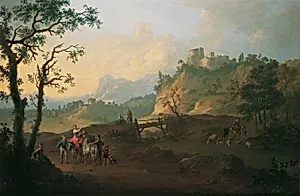
In 1718 Ferg left Vienna for Bamberg, later traveling to Leipzig and Dresden, where he partnered with landscape painter Alexander Thiele. His mature style drew heavily from Dutch masters such as Adriaen van Ostade, Nicolaes Berchem, and Cornelis van Poelenburgh, producing small-scale, meticulously finished works—often on copper—that combined lively multi-figure genre scenes with atmospheric landscapes and occasional sea-pieces. These earned him considerable reputation across German-speaking lands.
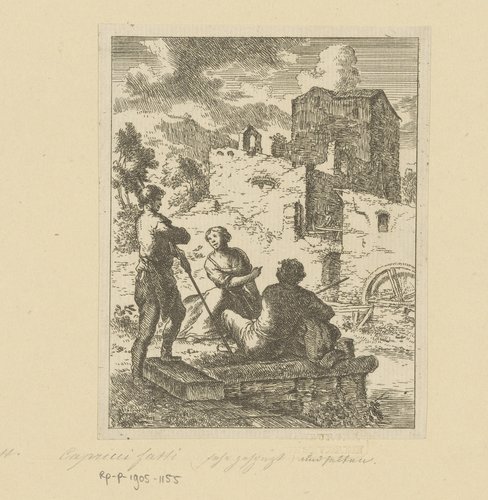
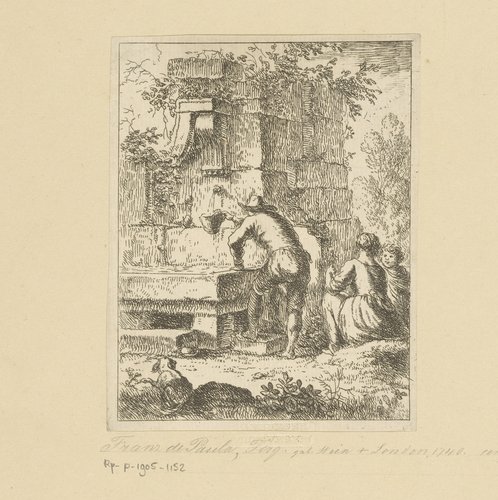
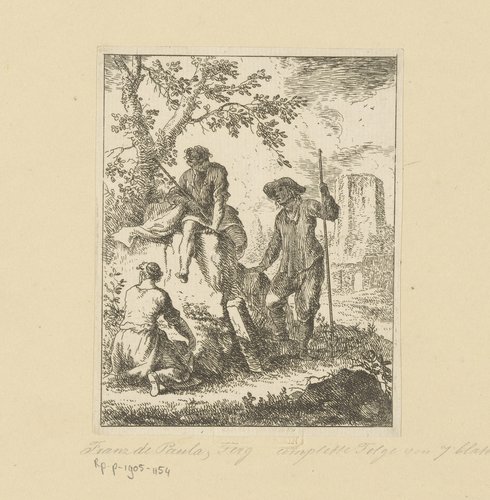
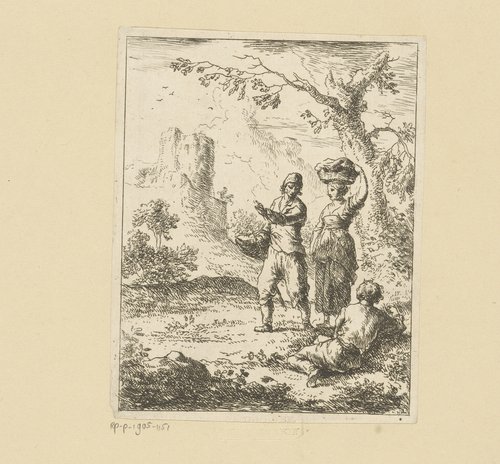
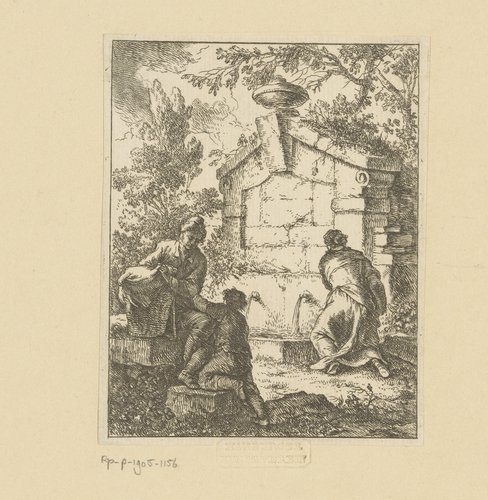
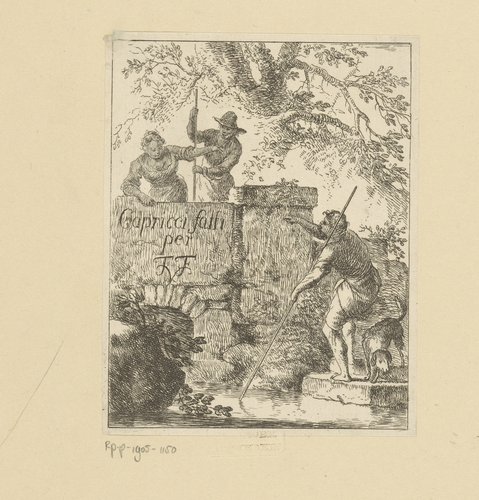
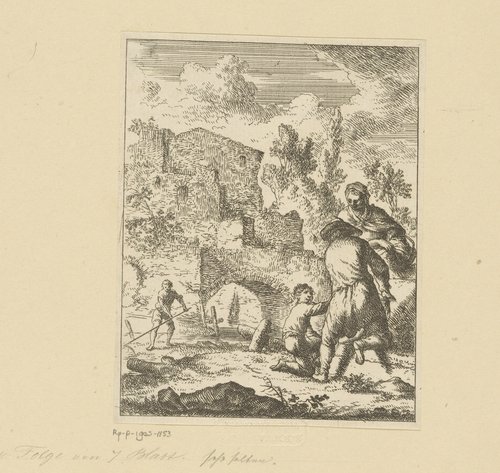
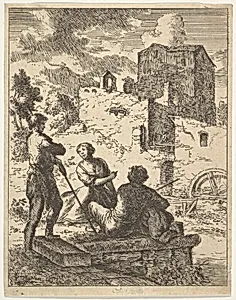
Ferg eventually settled in London, where he continued to find commissions despite personal hardships that left him in poverty; he died destitute in the street in 1740. His paintings appear in major European collections including those in Brunswick, Dresden, and Vienna, and many were reproduced as engravings by artists such as Thomas Major and François Vivares. He also produced a small body of etchings, primarily landscapes with figures and ruins. Though later sources sometimes linked him to Chelsea porcelain decoration, this is chronologically impossible. Today his works remain valued for their precise observation of 18th-century daily life and their refined technical execution.