Ctrl K
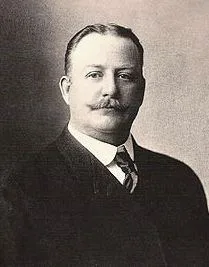
1861–1909
Frederic Remington (1861–1909) was an American painter, sculptor, and illustrator who became the preeminent visual chronicler of the American West. Born in Canton, New York, he studied briefly at the Yale School of the Fine Arts and the Art Students League of New York before making his first trip west in 1881, where he found the subject matter that would define his career.
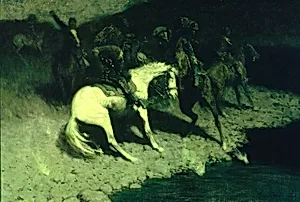
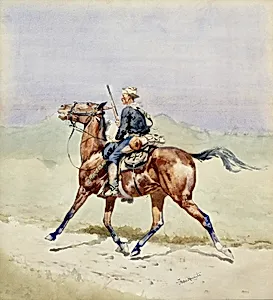
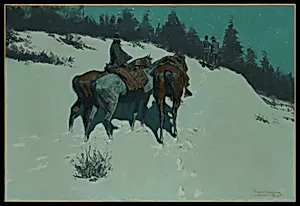
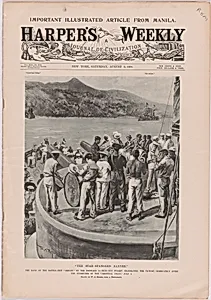
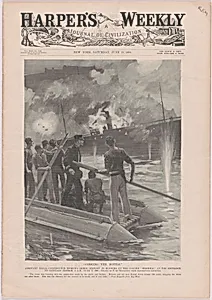
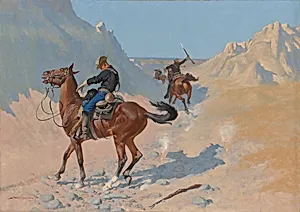
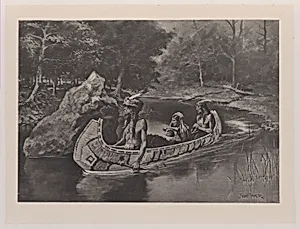
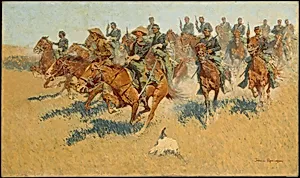
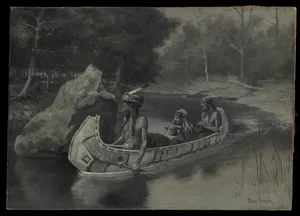
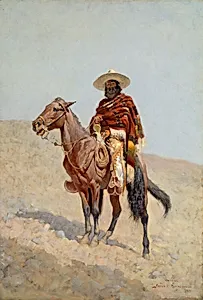
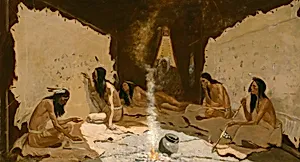
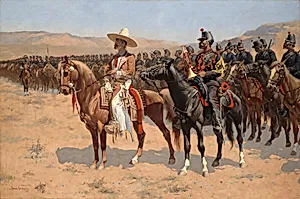
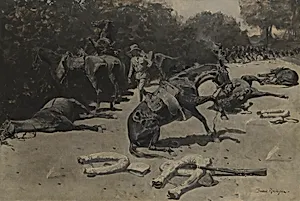
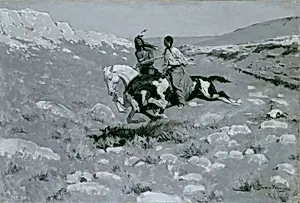
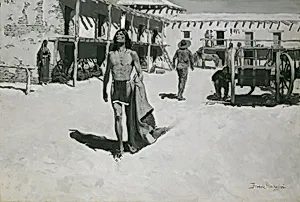
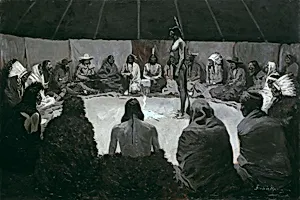
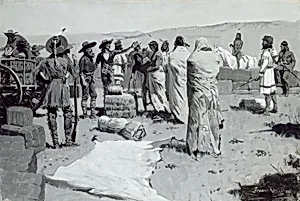
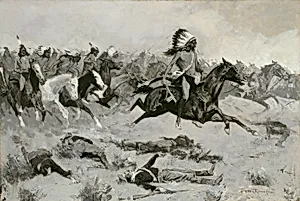
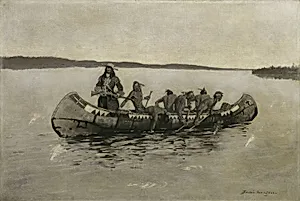
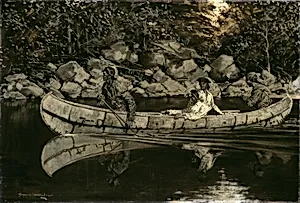
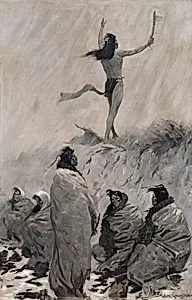
Remington's paintings and illustrations depicted cowboys, soldiers, Native Americans, and the landscapes of the frontier West with a vivid energy and dramatic intensity that captured the American imagination. Working primarily for popular magazines including Harper's Weekly and Century Magazine, he produced over 2,700 paintings and drawings that shaped the popular image of the American West during a period when that frontier was rapidly disappearing.
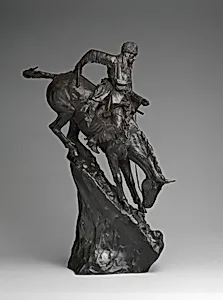
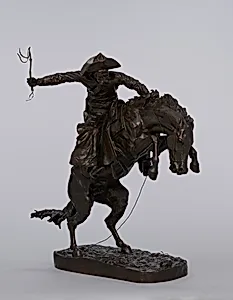
In the 1890s, Remington turned to sculpture, producing bronzes that are among the most celebrated in American art. "The Broncho Buster" (1895), his first and most famous sculpture, captures a cowboy clinging to a bucking horse with explosive energy. He went on to create over twenty bronze sculptures, each demonstrating his extraordinary ability to capture motion, tension, and the physical reality of life on horseback.
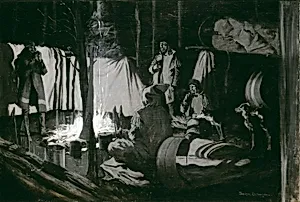
Remington's later paintings show a marked evolution toward more atmospheric, tonal effects influenced by Impressionism, particularly his nocturnal scenes of cavalry and frontier life. He died suddenly at forty-eight. His work is held by the Metropolitan Museum of Art, the Amon Carter Museum of American Art, the Frederic Remington Art Museum in Ogdensburg, New York, and the Sid Richardson Museum in Fort Worth.