Ctrl K
1860
Frederick Loeser & Company, founded in 1860 in Brooklyn, New York, emerged as a pivotal force in American retail, particularly renowned for its high-quality fashion and accessories that bridged commercial enterprise with artistic craftsmanship. German immigrant Frederick Loeser (1833–1911) established the business initially as Loeser and Dinkelspiel, specializing in embroidery and trimmings at 277 Fulton Street, near Brooklyn Borough Hall. The enterprise rapidly expanded, acquiring competitors and relocating to larger premises. By 1870, it occupied a site near Fulton Street and Boerum Place, and in 1887, it moved to a state-of-the-art five-story building at 484 Fulton Street. This flagship store boasted cutting-edge features like electric lights, elevators, telephones, restrooms, fitting rooms, and luxury duplex escalators, with sales floors below and offices above—reflecting the company's commitment to modern luxury retail.
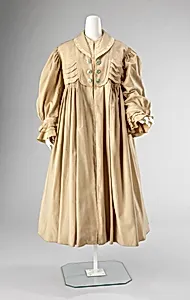
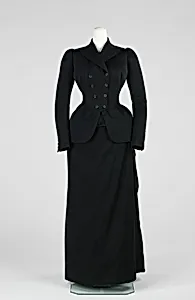
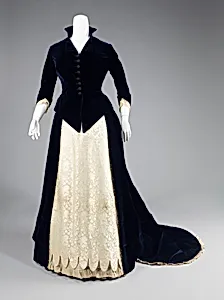
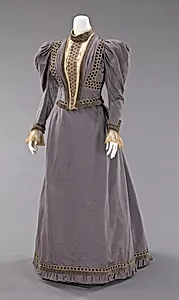
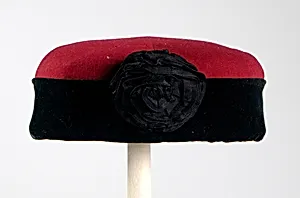
Operating in the tradition of Gilded Age department stores, Frederick Loeser & Company catered to Brooklyn's burgeoning middle and upper classes with an array of impeccably curated goods, emphasizing elegant apparel and accessories. The firm's offerings embodied the opulent Aesthetic Movement influences of the late 19th century, blending European imports with American manufacturing flair. Notable surviving works in museum collections highlight this legacy: an evening toque and toque from the early 20th century, a pair of boots, a velvet and silk damask stylish dress from 1881, and various hats and evening dresses held at The Metropolitan Museum of Art. These pieces showcase meticulous detailing in materials like velvet, silk, and cotton, underscoring the company's role as a tastemaker in fashionable design.
The company's enduring impact extended beyond commerce; Frederick's son, Charles Alexander Loeser (1864–1928), became a distinguished art historian and collector of Medieval and early Renaissance art, residing in Florence and amassing treasures at Villa Torri Gattaia. Though the store's physical prominence waned post-World War II amid suburban shopping shifts, its artifacts preserve a snapshot of Brooklyn's retail golden age. Today, Frederick Loeser & Company's contributions to fashion history illuminate the artistry of everyday luxury, with its preserved garments serving as tangible links to 19th- and early 20th-century American style and innovation.
All 5 artworks loaded