Ctrl K
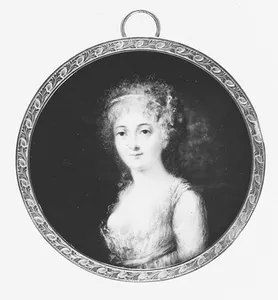
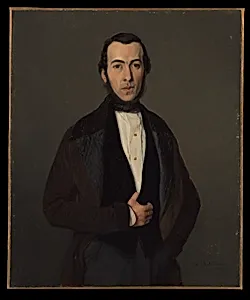
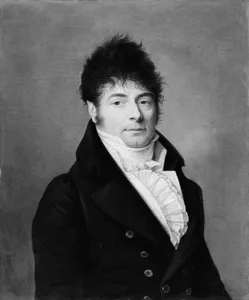
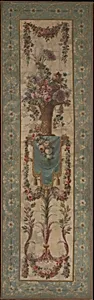
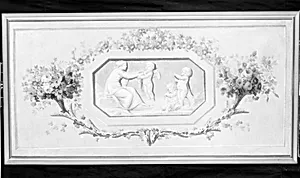
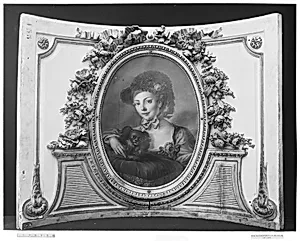
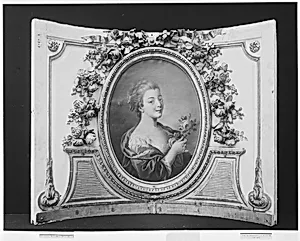
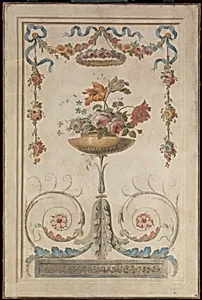
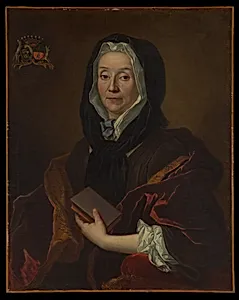
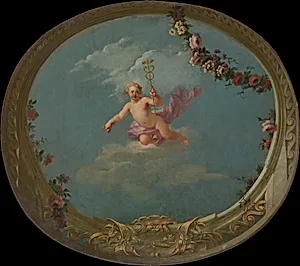
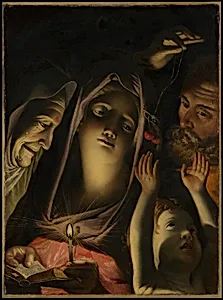
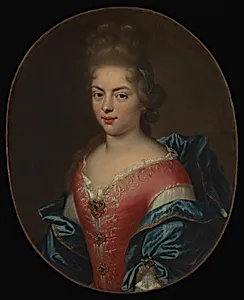
"French Painter" is a scholarly attribution designation used by art historians and museum curators to catalogue paintings produced in France — or by artists trained in the French tradition — when the specific creator cannot be identified with confidence. Rather than leave a work without provenance context or assign it speculatively to a named artist, curators apply this designation alongside an approximate date or period, such as "French Painter, 17th century" or "French Painter, ca. 1750," communicating the work's stylistic and geographic origin while being transparent about the limits of current knowledge.
The practice of using geographic and period attributions for unidentified artists reflects the highest standards of scholarly honesty in museum cataloguing. Curators arrive at such designations through careful analysis of style, technique, materials, and provenance records, determining that a work belongs within the French tradition even when documentation of the individual artist has been lost. In some cases, a group of works attributed to "French Painter" may eventually be consolidated under a single hypothetical identity — often designated "Master of" followed by a key work — if connoisseurs identify consistent stylistic traits across multiple pieces. In others, the works remain under the broad geographic attribution indefinitely.
French painting has occupied a central position in Western art history from the seventeenth century onward, encompassing the grandeur of the Baroque, the elegance of the Rococo, the gravity of Neoclassicism, the passion of Romanticism, and the revolutionary innovations of Impressionism and Post-Impressionism. Works catalogued under the "French Painter" designation span this full range of periods and styles, from portraiture and religious painting to landscape and genre scenes. The Metropolitan Museum of Art and other major institutions hold significant bodies of work under such attributions, which remain valuable historical documents even without a confirmed author's name.