Ctrl K
1875–1942
Fritz Boehmer (1875–1942) was a Czech-born American painter whose career bridged personal portraiture and public documentation of folk art traditions. Little is known about his early life or formal training, which remains sparsely documented; however, by 1895, he was producing intimate portraits, such as *Gertrud Boehmer* at the Toledo Museum of Art, suggesting skill in miniature and figure work honed through self-study or local apprenticeship. Active in the United States by the early 20th century, Boehmer settled in Ohio, where he later contributed to Federal Art Project initiatives during the Great Depression.
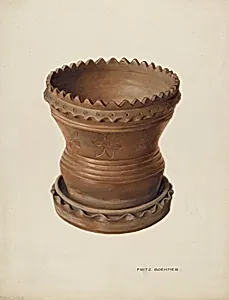
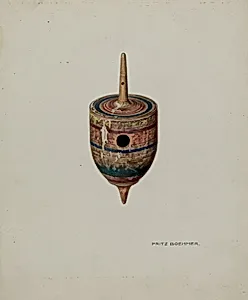
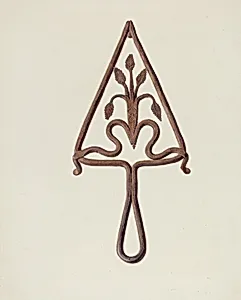
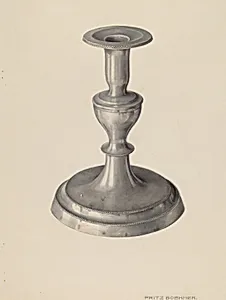
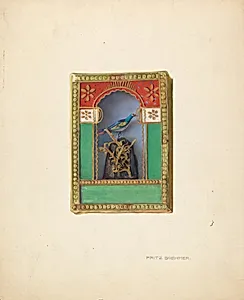
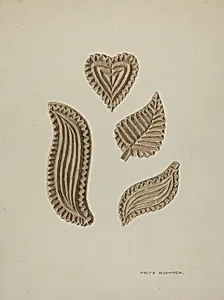
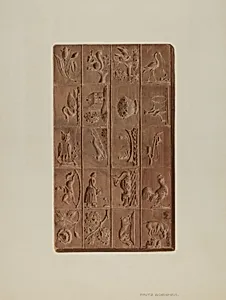
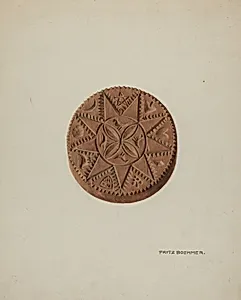
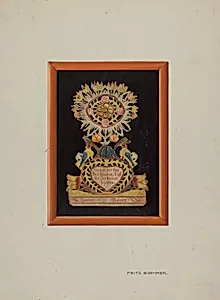
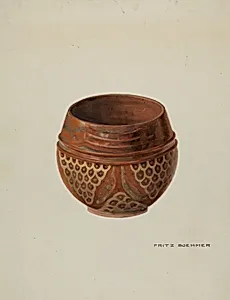
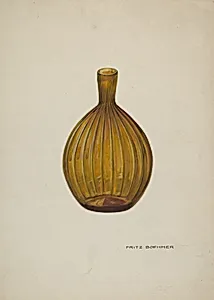
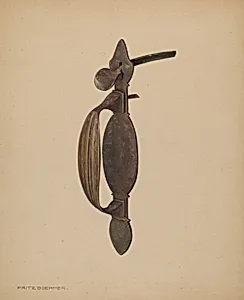
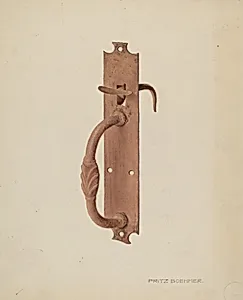
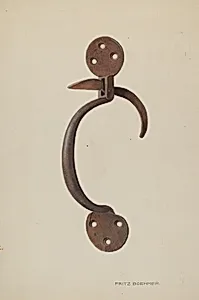
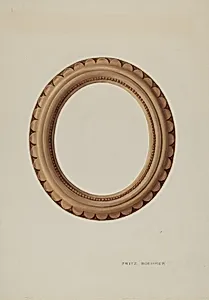
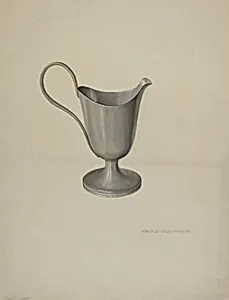
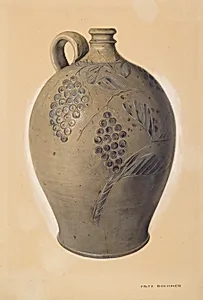
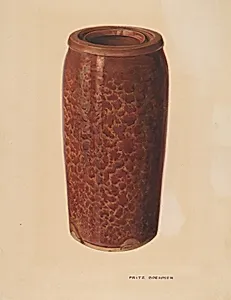
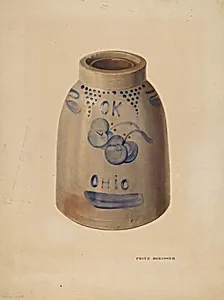
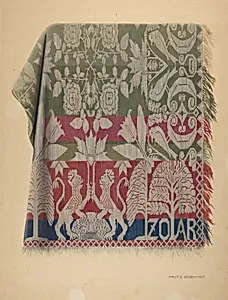
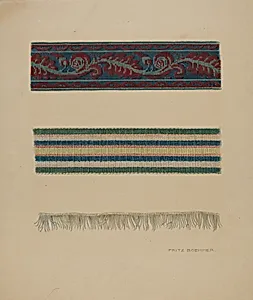
In the late 1930s, Boehmer joined the Works Progress Administration's Federal Art Project, specifically the Index of American Design (IAD), a landmark effort to catalog and celebrate everyday American crafts through precise artistic renderings. Working in Ohio from 1937 onward, he produced meticulous watercolors, graphite drawings, and mixed-media studies that captured the textures, forms, and cultural significance of utilitarian objects. His style emphasized hyper-realistic detail—metallic gleams on flasks, earthenware glazes on pottery, and intricate fractur motifs—working in the documentary tradition of the IAD rather than any avant-garde school. Boehmer also painted backdrops and murals for the Toledo Zoo under the FAP, blending his portrait background with public art.
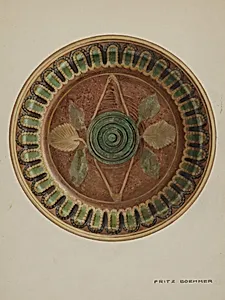
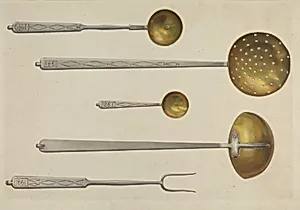
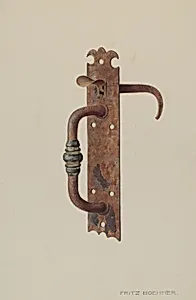
Among his most notable IAD works are *Zoar Colander* (c. 1937), *Kitchen Utensils* (c. 1939), *Whiskey Flask* (c. 1939), *Pa. German Deep Dish* (c. 1939), *Latch* (c. 1939), and *Memorial—Pennsylvania Fractur and Cut-out Commemorating Jacob Bauer* (1939), all preserved in the National Gallery of Art's collection of 54 pieces. Earlier still lifes, like *Artist's Lunch* (watercolor), and landscapes further showcase his versatility.
Boehmer died on August 18, 1942, and is buried in Woodlawn Cemetery. His IAD contributions endure as vital records of Pennsylvania German, Zoar community, and early American craftsmanship, educating generations on the nation's vernacular aesthetic heritage. Though not a household name, Boehmer's precise eye helped preserve cultural artifacts that might otherwise be lost, cementing his legacy in American art history.