Ctrl K
1893–1959
George Grosz (1893–1959) was a German-American artist whose savage satirical drawings and paintings became some of the most powerful visual critiques of militarism, capitalism, and social decay in twentieth-century art. Born Georg Ehrenfried Gross in Berlin, he studied at the Dresden Academy of Fine Arts and the Berlin School of Arts and Crafts before serving in World War I, an experience that radicalized him and fueled the bitter social commentary that defined his art.
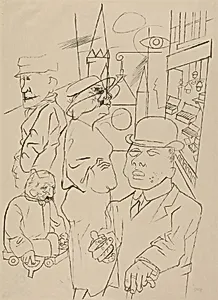
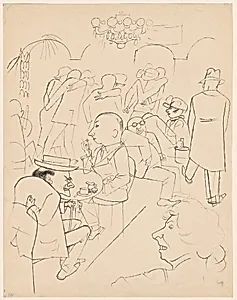
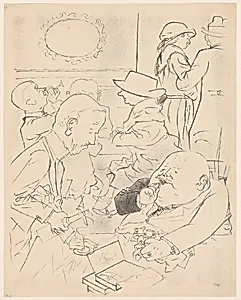
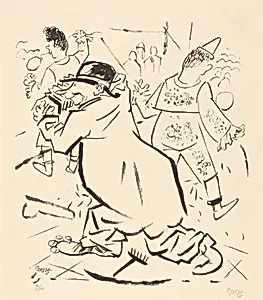
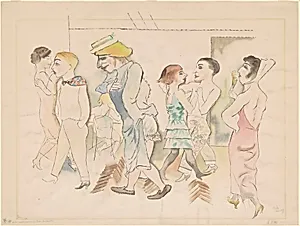
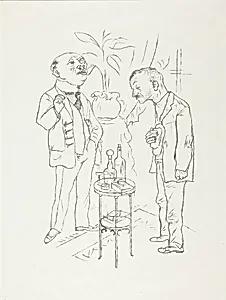
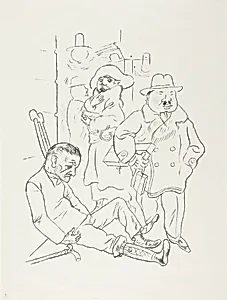
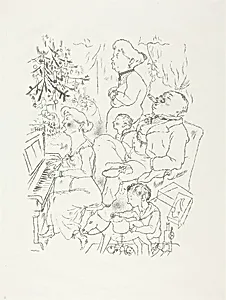
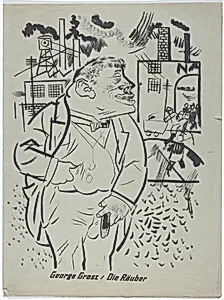
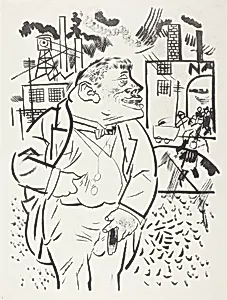
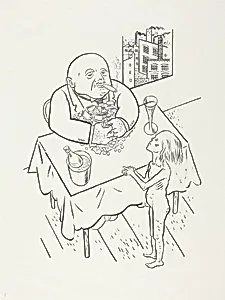
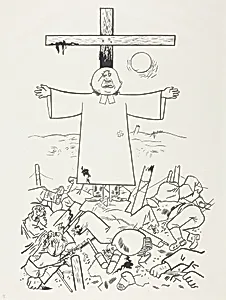
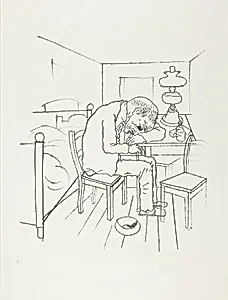
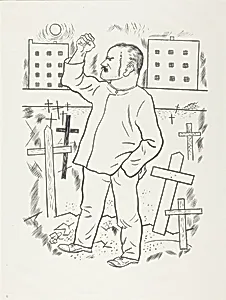
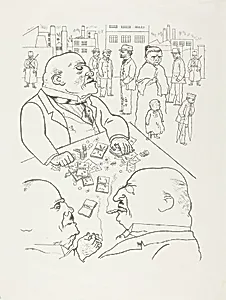
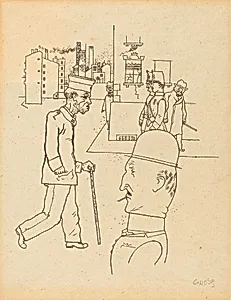
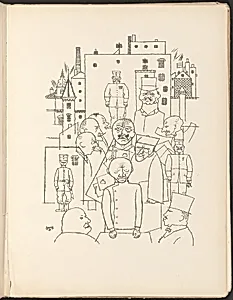
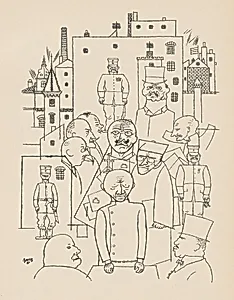
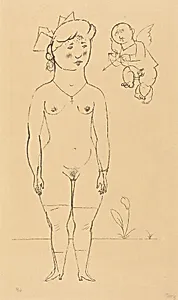
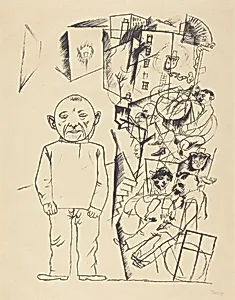
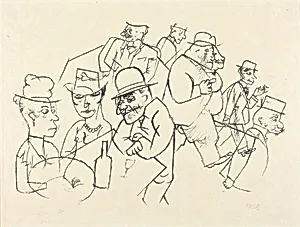
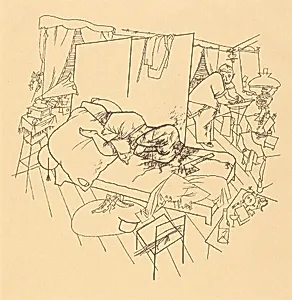
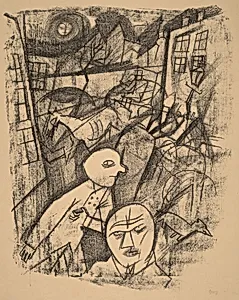
Groosz became a leading figure of the Berlin Dada movement and the New Objectivity (Neue Sachlichkeit), producing drawings and watercolors of extraordinary graphic power that depicted the corruption and brutality of Weimar-era German society. His razor-sharp pen captured profiteers, militarists, prostitutes, and the urban underclass with a merciless clarity that earned him repeated prosecution for blasphemy and obscenity. Collections such as "The Face of the Ruling Class" (1921) and "Ecce Homo" (1923) remain among the most devastating works of political art ever produced.
In 1933, Grosz emigrated to the United States, settling in New York, where he taught at the Art Students League and attempted to reinvent himself as a more lyrical, less polemical painter. His American work — landscapes, nudes, and apocalyptic allegories — was less critically acclaimed than his Weimar satires, and Grosz struggled with a sense of artistic displacement.
Groosz returned to Berlin in 1959, shortly before his death. His Weimar-era drawings and watercolors are now recognized as among the most important works of political art in the twentieth century. They are held by the Berlinische Galerie, the Museum of Modern Art, the Art Institute of Chicago, and major collections worldwide.