Ctrl K
George Kershaw is an artist whose works have been preserved in museum collections in meaningful quantity, pointing to a genuine career and a recognized body of output, even though the biographical details that would identify his nationality, training, and active period have not been established in the sources currently available. The absence of nationality information alongside the absence of dates makes Kershaw one of the more elusive figures represented in institutional collections.
The name George Kershaw is consistent with British or American origins, and the character of his surviving work would reflect the training and artistic conventions of whatever tradition shaped his formation as an artist. The late nineteenth and early twentieth centuries produced an enormous range of artistic practitioners across the English-speaking world, many of them working in regional contexts that left fewer documentary traces than the major metropolitan art centers but were no less significant in terms of local cultural impact.
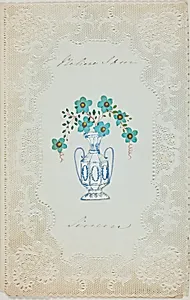
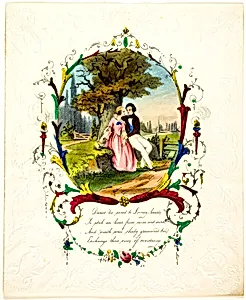
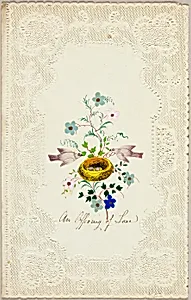
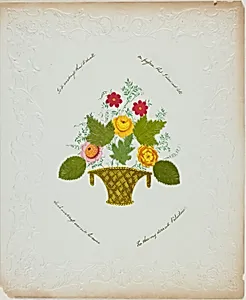
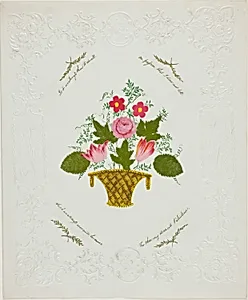
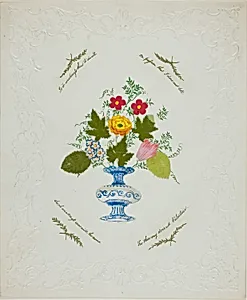
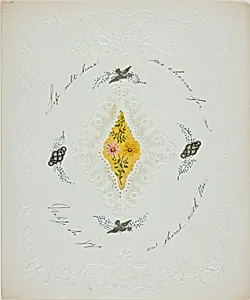
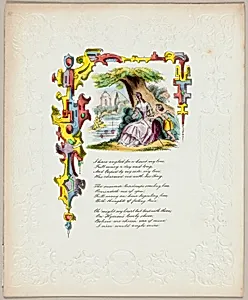
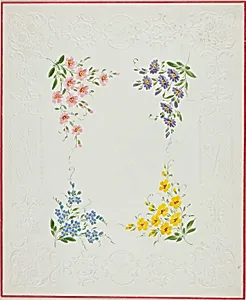
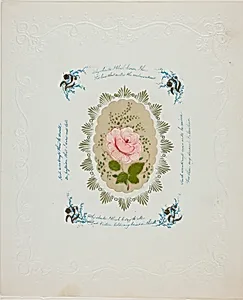
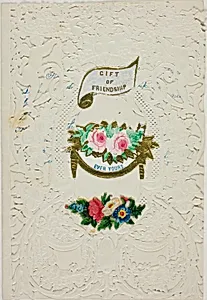
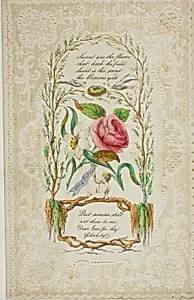
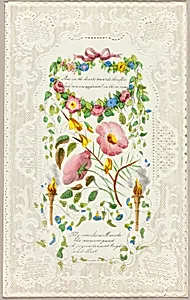
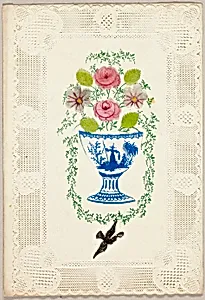
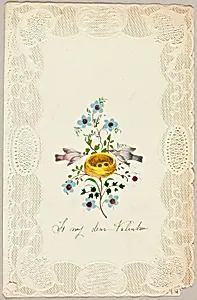
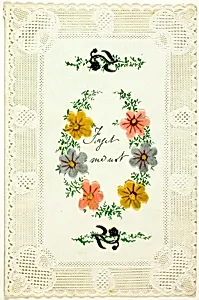
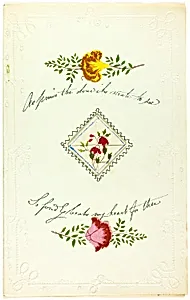
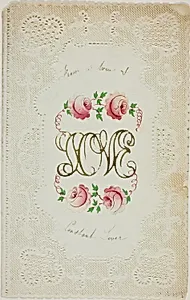
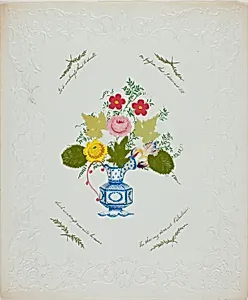
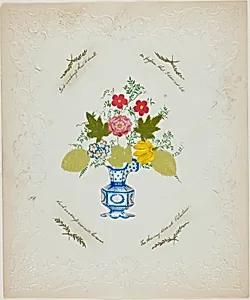
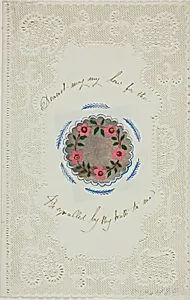
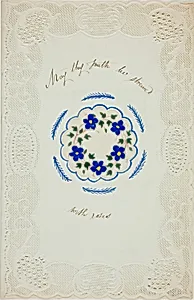
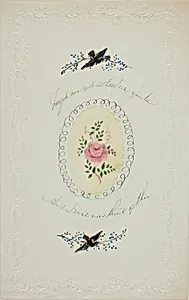
Kershaw's forty recorded works suggest someone for whom artistic production was a sustained and purposeful activity — the output of a professional or serious semi-professional practitioner rather than an occasional hobbyist. The distribution of that work across institutions implies that his output circulated through the collecting networks of his era, reaching audiences and patrons who valued what he made enough to preserve it for future generations.
George Kershaw's place in the institutional record is an invitation to further research. With no nationality and no dates to anchor a search, the inquiry must begin with the works themselves — their style, subject matter, technique, and material characteristics — as the primary evidence from which archival and documentary research might eventually be constructed.