Ctrl K
1685–1685
George Manjoy was a British artist active in the late seventeenth century, a period of considerable vitality in British art shaped by the influence of continental European painting. Working in an era when portraiture dominated British artistic life and when painters such as Sir Godfrey Kneller set the prevailing standard for fashionable representation, Manjoy participated in a visual culture increasingly attuned to questions of status, identity, and likeness.
The precise details of Manjoy's training are not fully documented, though British artists of this period often developed their skills through apprenticeship in established workshops or through exposure to the work of foreign masters who had settled in England. The late seventeenth century saw a great influx of continental influence, particularly from the Dutch and Flemish traditions, and this shaped the technical and aesthetic vocabulary available to British painters of Manjoy's generation.
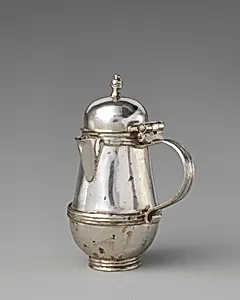
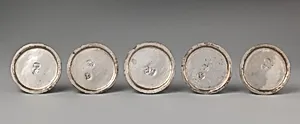
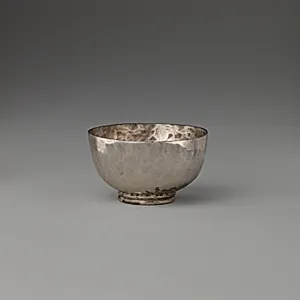
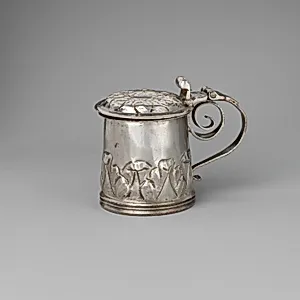
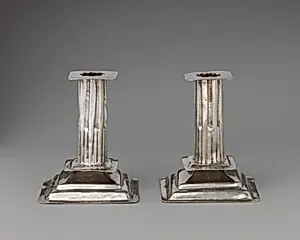
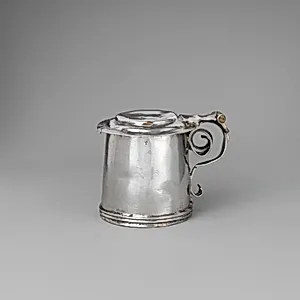
With forty-six works attributed to him in institutional collections, Manjoy's output suggests an active and productive career. His works provide a record of British artistic practice at a moment when the profession was evolving in response to new patronage structures and the growing prestige of the visual arts in English cultural life.
Manjoy's legacy, while not that of a figure at the very center of canonical art history, contributes to a fuller understanding of the breadth of British painting in the Restoration and post-Restoration period. Recovering and studying the work of artists like Manjoy enriches the picture of a dynamic era in the history of British art.