Ctrl K
1868–1933
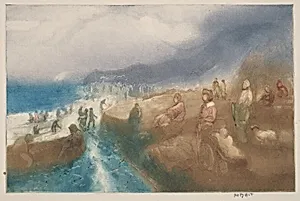
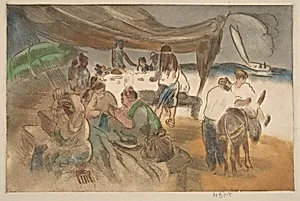
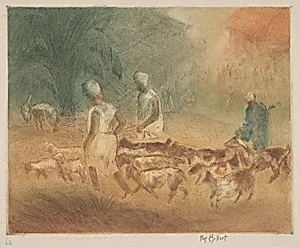
George Overbury Hart (1868–1933), universally known by his affectionate nickname "Pop," was an American artist of irrepressible wanderlust and genuine originality whose career defied easy categorization. Born in Cairo, Illinois, he spent decades crisscrossing the globe — visiting Mexico, the Caribbean, North Africa, the South Pacific, and Central America — filling notebooks and canvases with observations of everyday life in markets, harbors, and village squares far from the American mainstream.
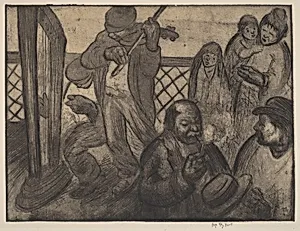
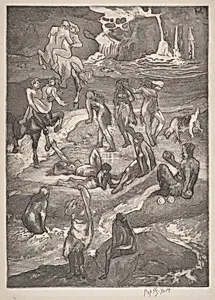
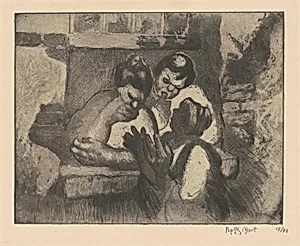
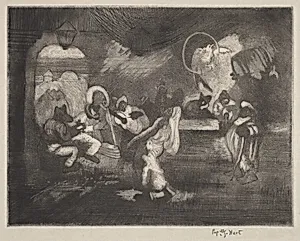
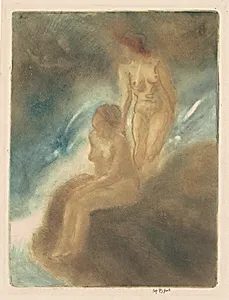
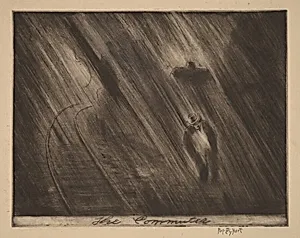
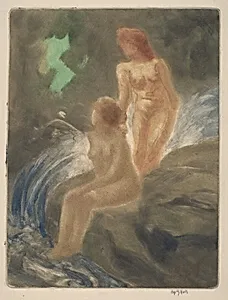
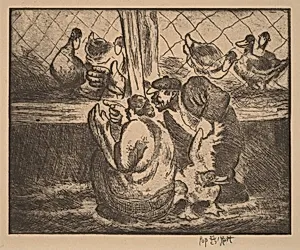
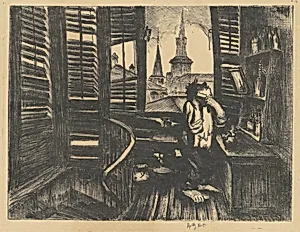
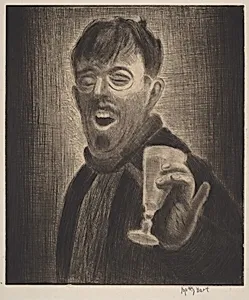
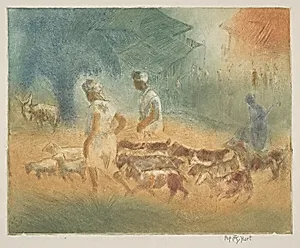
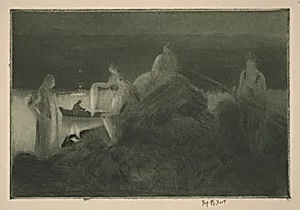
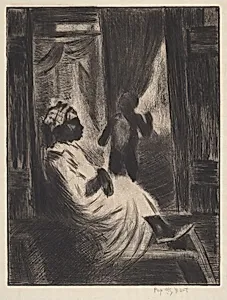
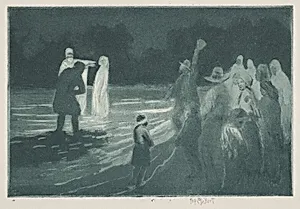
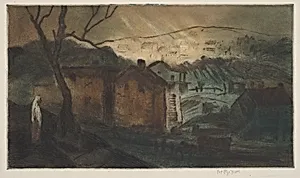
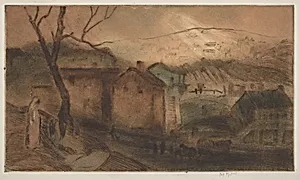
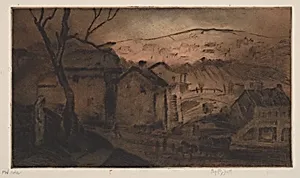
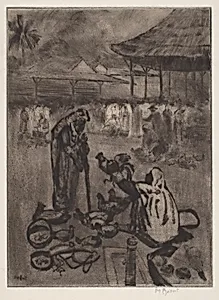
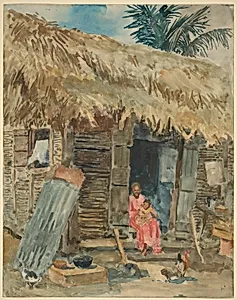
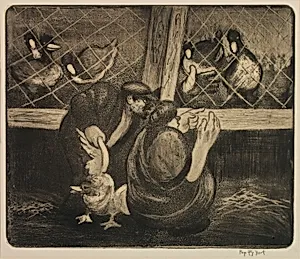
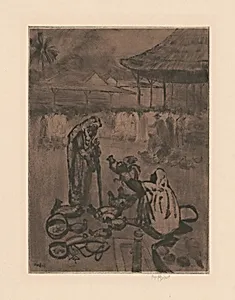
Hart had little formal academic training in the conventional sense, and this relative freedom from institutional influence gave his work a freshness and directness that more rigorously schooled artists sometimes lacked. He worked prolifically in watercolor, etching, and lithography, mastering printmaking with particular distinction. His images of laborers, street vendors, musicians, and ordinary people going about their lives have an immediacy and warmth that reflect his genuine affection for the subjects he observed.
His prints attracted serious critical attention, and he was celebrated during his lifetime as one of the outstanding American printmakers of his generation. He was associated with the group of artists who revived American interest in etching and lithography in the early decades of the twentieth century, and his technical facility in these media was widely admired. His work was exhibited at major venues and earned him a dedicated following among collectors.
Pop Hart's legacy rests on the vitality and humanity of his images and on his role in the American printmaking revival. His willingness to seek out the world in all its variety, combined with a technical command that made his observations sing on paper, earned him a place of genuine distinction in the history of American graphic art.