Ctrl K
1734–1802
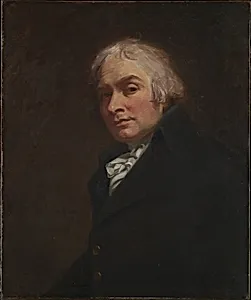
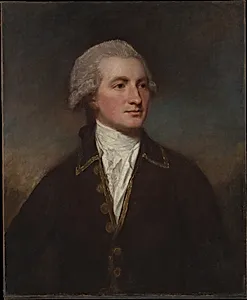
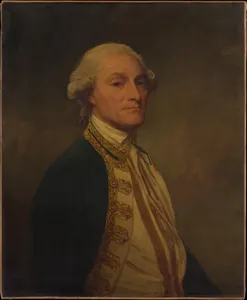
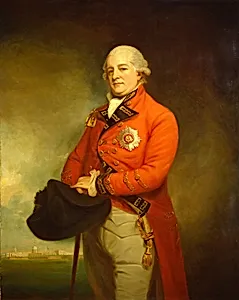
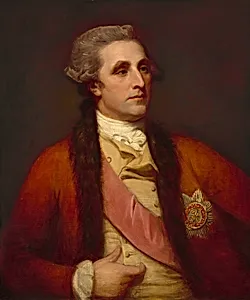
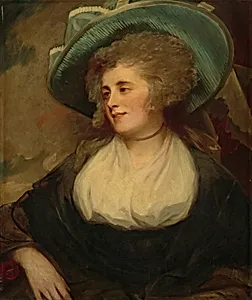
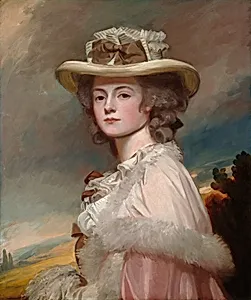
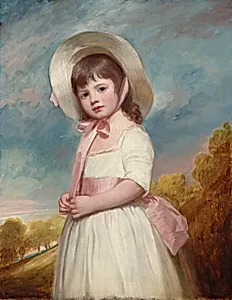
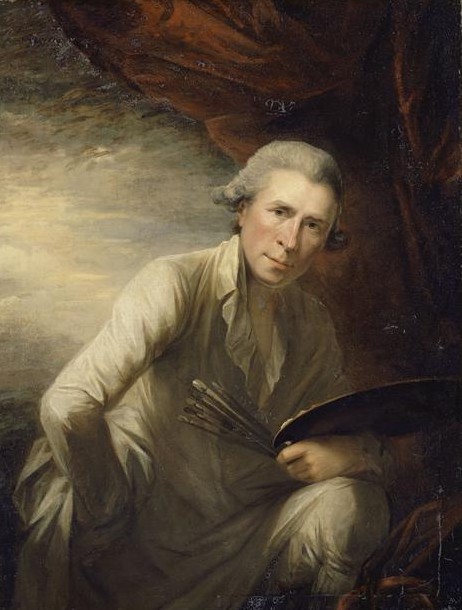
George Romney (1734–1802) was a British portrait painter who, alongside Sir Joshua Reynolds and Thomas Gainsborough, formed the triumvirate of great English portraitists in the second half of the eighteenth century. Born in Dalton-in-Furness, Lancashire, he received his early training from the itinerant portrait painter Christopher Steele before moving to London in 1762.
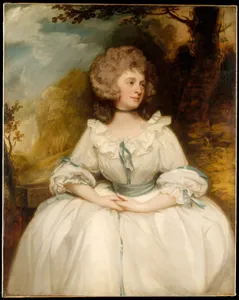
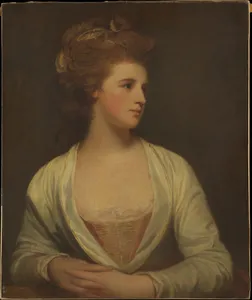
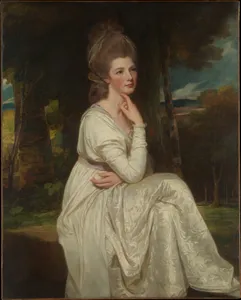
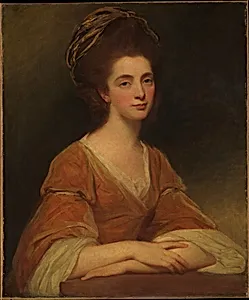
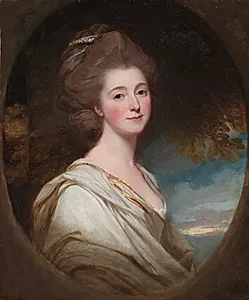
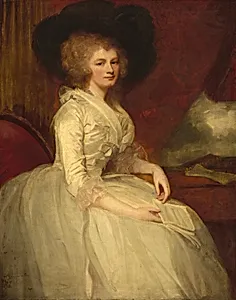
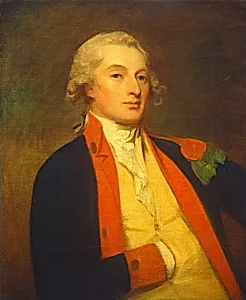
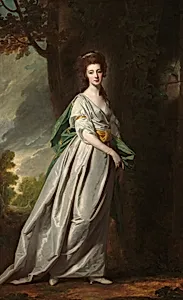
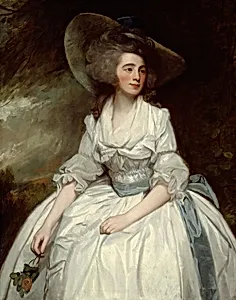
Romney quickly established a thriving portrait practice, attracting fashionable society sitters with his ability to combine elegant idealization with natural grace. His portraits are characterized by their fluent brushwork, warm color harmonies, and a lyrical quality that distinguishes them from Reynolds's intellectual grandeur and Gainsborough's sparkling vivacity. Romney was particularly admired for his portraits of women, which possess a gentle, almost ethereal beauty.
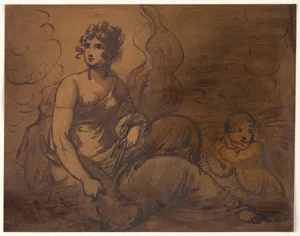
Romney's most celebrated works are his numerous portraits of Emma Hart (later Lady Hamilton), whom he painted obsessively from 1782 onward in various mythological and allegorical guises — as Circe, Cassandra, a Bacchante, and many other characters. These paintings, numbering over sixty, combine portraiture with history painting in a manner that anticipated Romantic art and reflect Romney's passionate, idealistic temperament.
Despite his enormous success, Romney never became a member of the Royal Academy, reportedly due to a personal rivalry with Reynolds. He spent time in Italy studying the Old Masters and ambitious history painting, but portraiture remained his primary occupation. His health declined in his later years, and he returned to Kendal, where he died. His paintings are held by the National Portrait Gallery, the Tate, the Huntington Library, the Frick Collection, and numerous English country houses.