Ctrl K
1885–1956
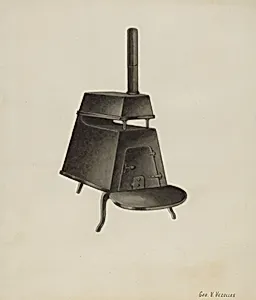
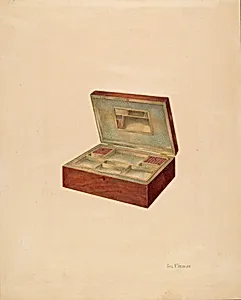
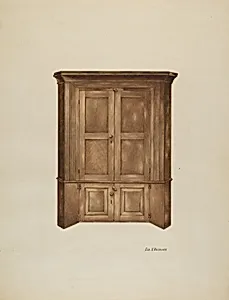
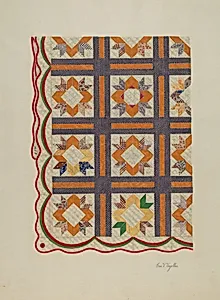
George Victor Vezolles Jr. (1885–1956) was an American artist best known for his meticulous contributions to the Index of American Design, a Works Progress Administration Federal Art Project from 1936 to 1942 aimed at documenting the nation's folk and decorative arts. Born in Kentucky around 1886, Vezolles produced over 200 precise renderings for the project, with more than 40 now housed in the National Gallery of Art's collection. Little is known about his early life or formal training, though his Kentucky roots likely informed his deep engagement with regional craftsmanship.
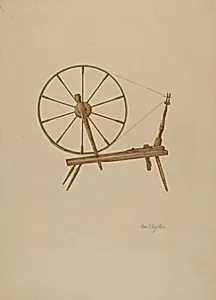
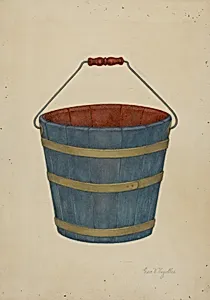
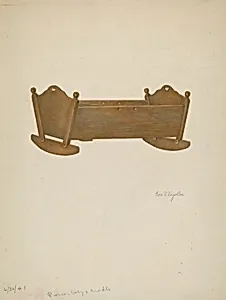
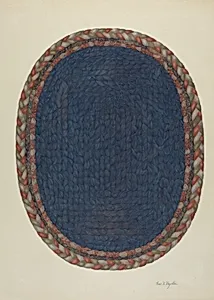
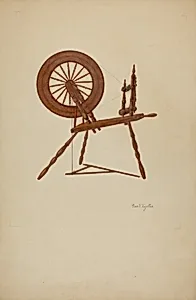
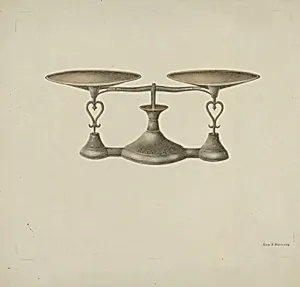
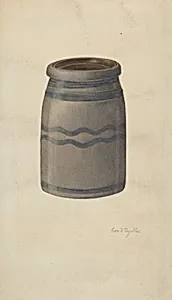
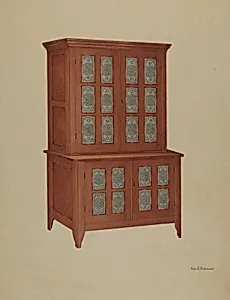
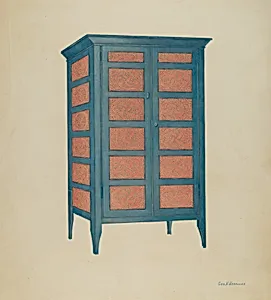
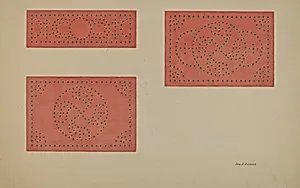
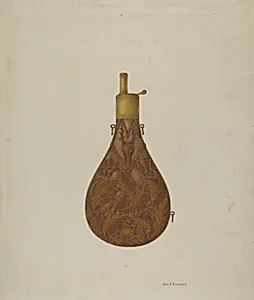
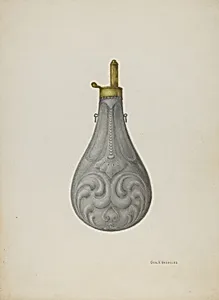
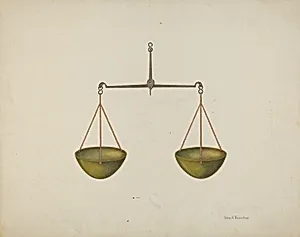
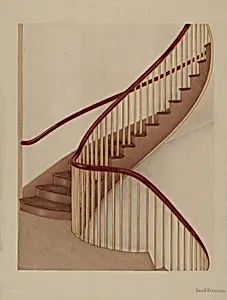
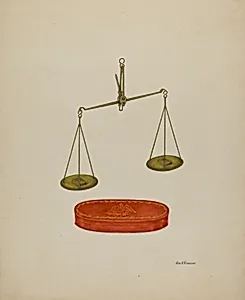
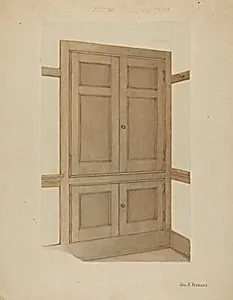
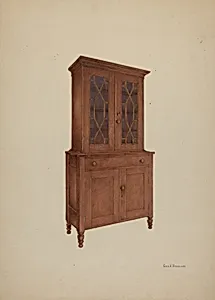
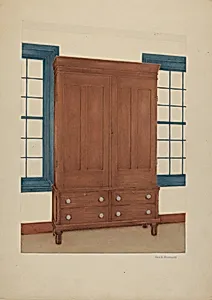
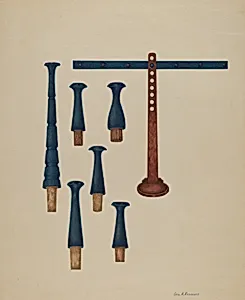
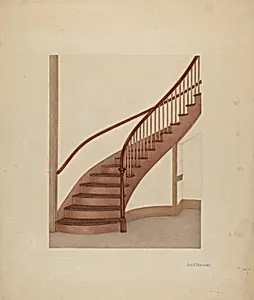
Vezolles specialized in watercolor, graphite, colored pencil, and gouache depictions of everyday American objects, capturing their form, function, and subtle artistry with photographic accuracy. His portfolio heavily features Shaker furnishings and utensils, reflecting the austere elegance of that communal tradition—works such as *Shaker Scales* (c. 1939 and c. 1941), *Shaker Rug* (c. 1941), *Shaker Bucket* (1941), *Shaker Spinning Wheel Flax* (c. 1941), and *Shaker Sugar Chest* (c. 1939). He also rendered non-Shaker items like the *Pioneer Baby's Cradle* (1941), *Bronze Powder Flask* (c. 1939), *Quart Stoneware Preserving Jar* (c. 1941), and Kentucky cherry wood pieces, blending technical precision with an appreciation for vernacular design.
Through the Index, Vezolles played a vital role in preserving visual records of vanishing American material culture during the Great Depression, ensuring that Shaker simplicity and frontier ingenuity endured in artistic form. His renderings, now digitized and studied worldwide, continue to educate on the interplay of utility and beauty in U.S. folk traditions, cementing his legacy as a key chronicler of the nation's decorative heritage.