
Ctrl K
1897–1897
**Georges Edmond Dargouge (1897–1990)** was a French painter known for his landscapes, seascapes, portraits, and genre scenes. Born on March 27, 1897, in Paris’s 15th arrondissement, he died on May 5, 1990, in Boulogne-Billancourt.
Dargouge trained at the École des Beaux-Arts under Fernand Cormon, Charles Fouqueray, Ferdinand Humbert, and Pierre Laurens. These academic mentors instilled a disciplined approach rooted in observation and technical precision. Resisting the dominant Impressionist trends of his era, he cultivated a distinctive soft realism infused with nineteenth-century Romanticism, evident in his luminous depictions of coastal scenes and everyday subjects.
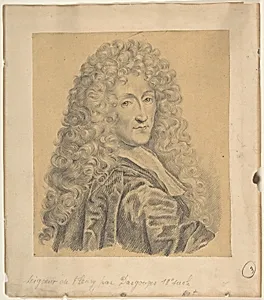
He began exhibiting at the Salon des Artistes Français in 1920, earning a bronze medal in 1924 and a silver medal in 1929 for *Les Fumées d’Aubusson*. That same year, he received the Second Grand Prix de Rome. Later honors included the Prix Thérèse Aubin-Mounier in 1967. From 1948 to 1964 he taught drawing at the École Polytechnique, and in 1959 he was appointed official painter to the French Army. His marine paintings, particularly those of Brittany’s coast, stand among his most celebrated works, alongside cityscapes such as views of Paris and portraits including the graphite *Portrait of Fleury* now in the Metropolitan Museum of Art.
Dargouge’s legacy endures through regular appearances at international auctions and documentation in reference works such as Bénézit. His measured, light-filled realism offers a quiet counterpoint to modernist experimentation, preserving a refined academic tradition well into the twentieth century.