Ctrl K
1890–1978
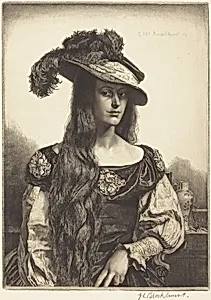
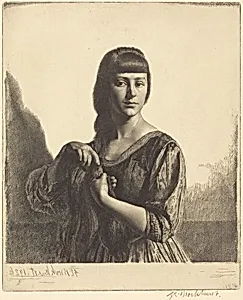
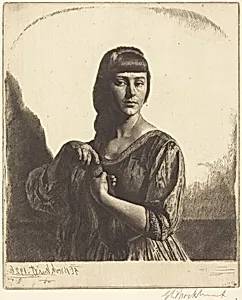
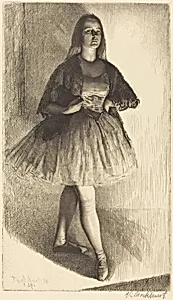
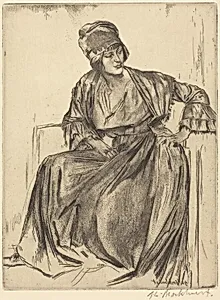
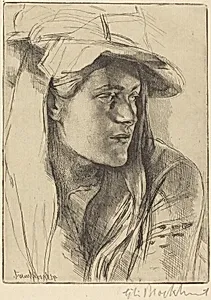
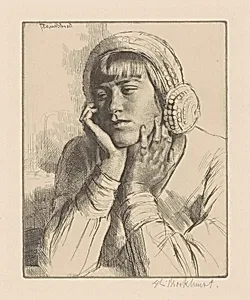
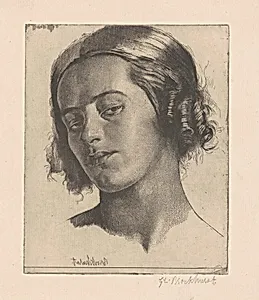
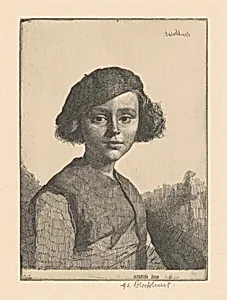
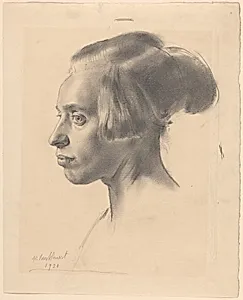
Gerald Leslie Brockhurst (1890–1978) was a British painter and etcher celebrated for his technically brilliant portraits and figurative works that blended Old Master craftsmanship with a distinctly modern psychological intensity. Born in Birmingham, he displayed exceptional talent from an early age, winning a scholarship to the Birmingham School of Art at just twelve and later continuing his studies at the Royal Academy Schools in London, where he excelled as a draughtsman and won multiple prizes.
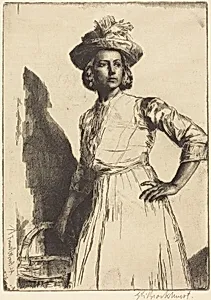
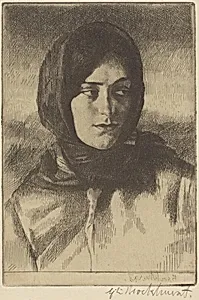
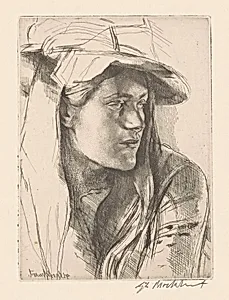
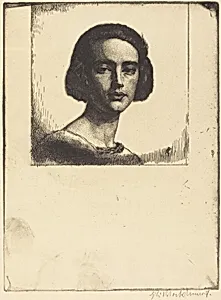
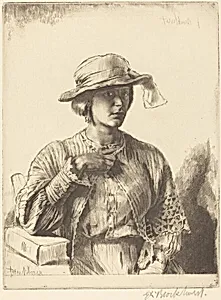
Brockhurst spent formative years in France and Italy studying the masters of the Renaissance and the Northern European tradition, and this immersion in historical technique gave his work an unusual degree of surface refinement — smooth, polished paint surfaces and meticulous attention to detail that recalled Holbein and Ingres while remaining unmistakably modern in their sense of psychological penetration. His etchings, particularly his images of women, are considered among the finest produced in the twentieth century, combining technical virtuosity with an arresting combination of detachment and intimacy.
His most famous painting, Adolescence (1932), depicts a young woman with an otherworldly, enigmatic gaze that captivated the public and established his reputation on both sides of the Atlantic. Brockhurst emigrated to the United States in 1939, where he became sought after as a portraitist to celebrities, socialites, and prominent figures in American public life, his sitters including the Duchess of Windsor.
Despite his fame and technical accomplishment, Brockhurst remained something of an anomaly in the twentieth century art world — a consummate craftsman working in a classical realist tradition while modernism dominated critical discourse. Today, his etchings and portraits are recognized as distinguished achievements, and his reputation has grown steadily among collectors and scholars of realist art.