Ctrl K

1855
Gerald Transpota (1898–1971) was an American artist renowned for his contributions to Western-themed lithography and meticulous renderings of American folk objects. Born in 1898, his early life and artistic training remain sparsely documented, though he quickly established himself in the 1920s as a poster designer. Transpota won gold and silver medals at the Calgary Stampede Rodeo and Art Show from 1921 to 1925 for his dynamic posters, showcasing his skill in capturing the energy of rodeo culture. Based in California, he worked as a lithographer and master stone engraver for the National Printing and Engraving Office, producing designs for coins, paper money, winery labels, breweries, and the Fruit Growers Association.
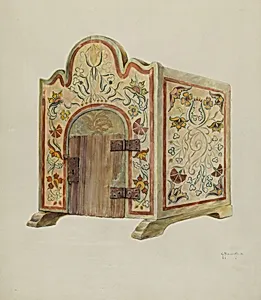
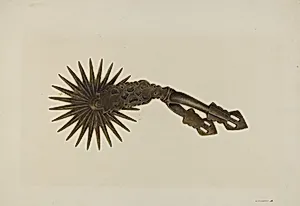
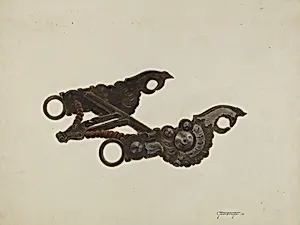
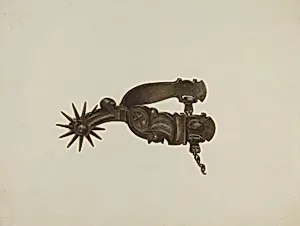
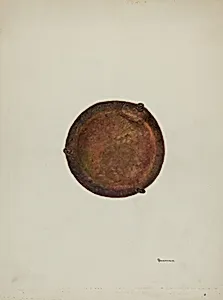
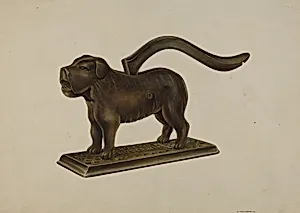
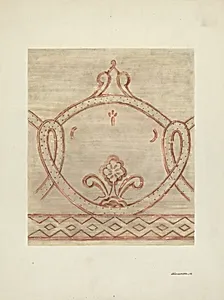
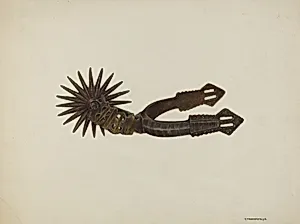
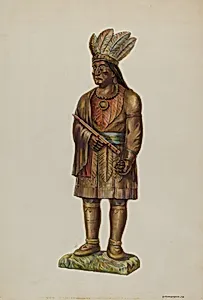
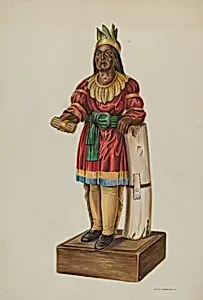
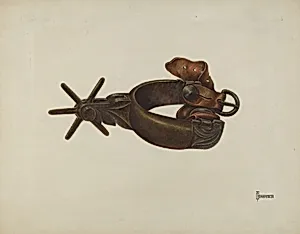
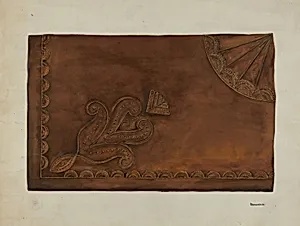
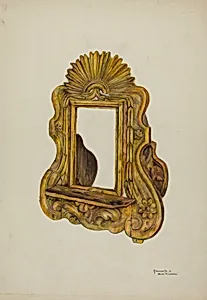
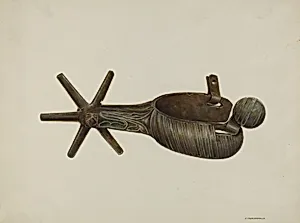
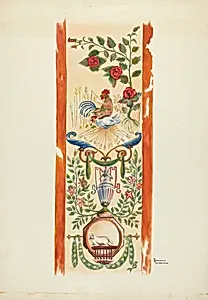
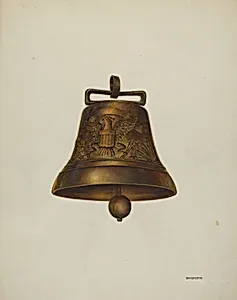
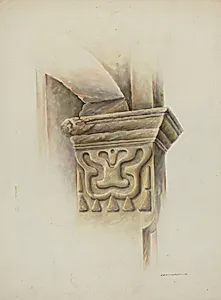
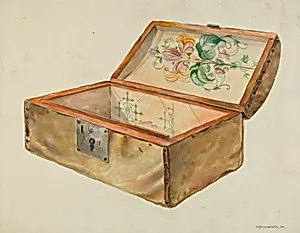
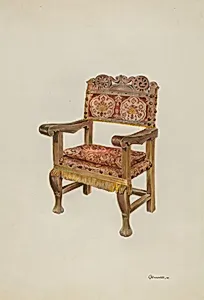
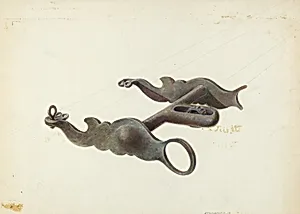
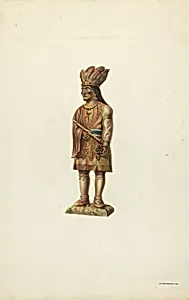
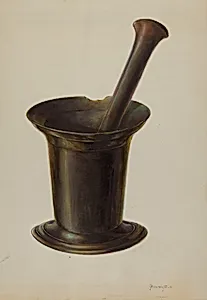
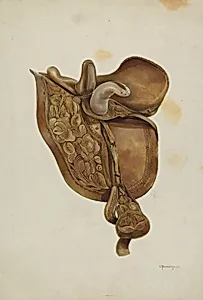
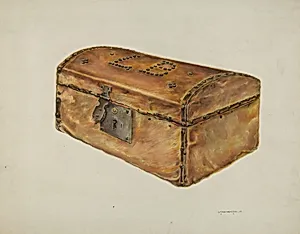
In the 1930s, amid the Great Depression, Transpota joined the Works Progress Administration's Index of American Design, a landmark project that commissioned artists to document everyday American artifacts through precise watercolor and graphite drawings. His oeuvre includes over 60 such works in the National Gallery of Art collection, featuring intricate depictions of Western equestrian gear like *Spur* (c. 1936), *Stirrup* (1935/1942), *Bit* (c. 1937), *Saddle* (c. 1937), and *Wrought Iron Bit* (c. 1937), alongside diverse items such as a *Cigar Store Indian* (c. 1939), *Baptismal Font* (c. 1940), and *Wall Painting* restoration (c. 1940). These pieces highlight his technical precision and affinity for utilitarian Western craftsmanship, blending realism with subtle color washes. His work appeared in the Museum of Modern Art's 1936 exhibition *New Horizons in American Art*.
Transpota later served as a muralist for Universal and Warner Brothers studios in the 1940s, applying his versatile hand to cinematic backdrops. Though not aligned with a specific art school or movement, his style evoked the regionalist spirit of American Scene painting, emphasizing cultural heritage. His Index contributions endure as vital records of pre-industrial Americana, preserving the tactile details of saddles, spurs, and folk carvings for posterity. Transpota's legacy lies in bridging commercial design, Hollywood glamour, and scholarly documentation, influencing how we visualize the American West.