Ctrl K
1400–1500
**German 15th Century**
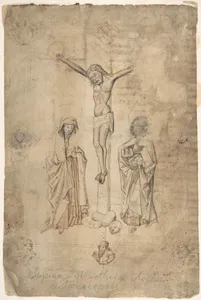
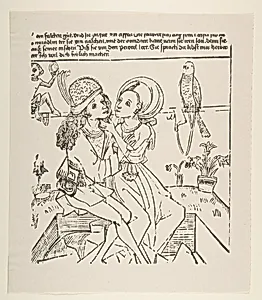
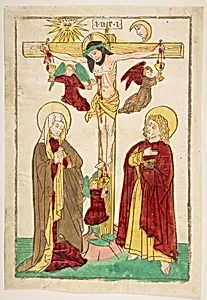
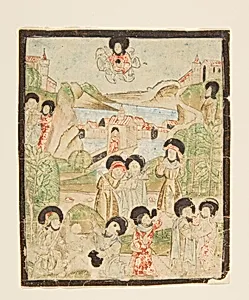
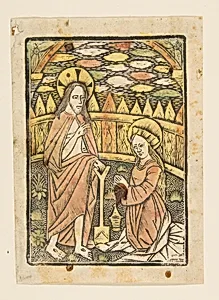
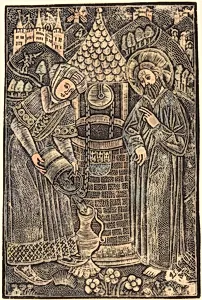
The designation "German 15th Century" encompasses a collective of anonymous artists active in the late medieval and early Renaissance periods in Germany, primarily known through their contributions to early printmaking and panel painting. These creators emerged during a transformative era when woodcuts and engravings began democratizing religious imagery, bridging the Gothic tradition with emerging Northern Renaissance naturalism. Operating in workshops across regions like Bavaria, Swabia, and the Upper Rhine, they produced devotional works for pilgrims, clergy, and laity, often featuring vivid hand-coloring to enhance spiritual impact.
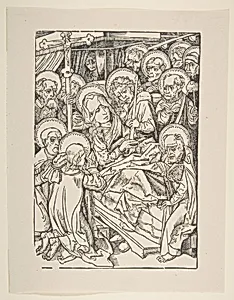
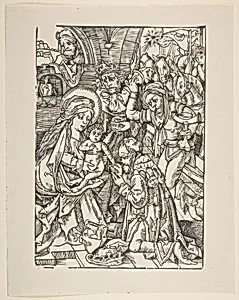
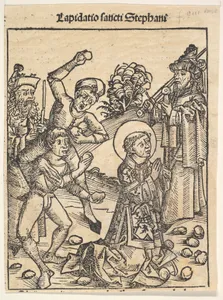
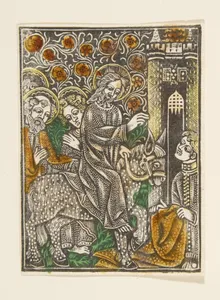
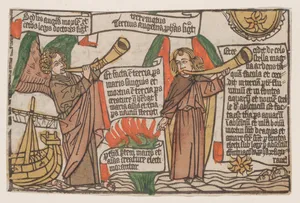
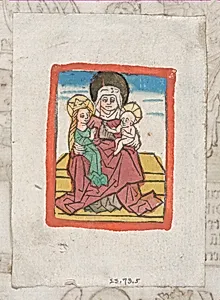
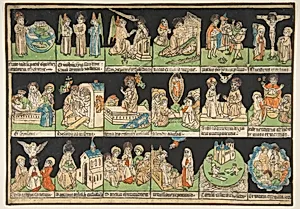
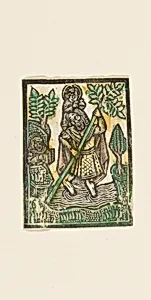
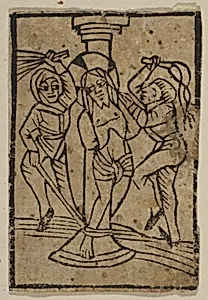
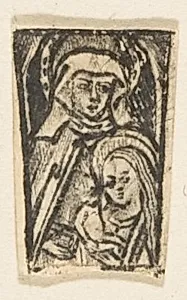
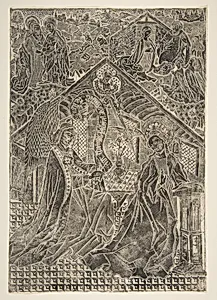
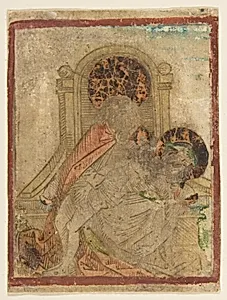
These artists worked in the late Gothic woodcut tradition, characterized by bold outlines, intricate cross-hatching for shading, and symbolic compositions crowded with expressive figures. Hand-coloring in opaque gouache or transparent washes—using pigments like vermilion, lapis lazuli blue, gold leaf, and verdigris—added a jewel-like quality, mimicking illuminated manuscripts. Subjects drew from Christian iconography: Passion scenes, saints, and Marian devotions, reflecting the devotional fervor of the devotio moderna movement. Techniques evolved from black-line woodcuts to innovative white-line methods, where the background was cut away to leave white highlights on colored paper, showcasing technical experimentation in southern German centers like Augsburg.
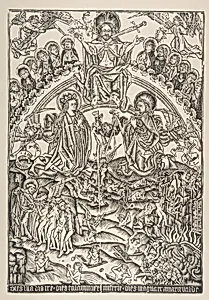
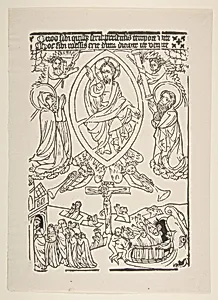
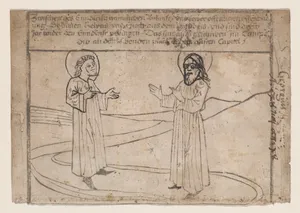
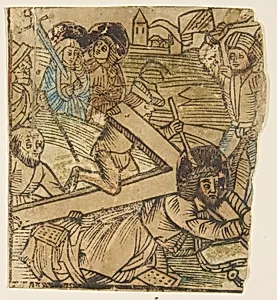
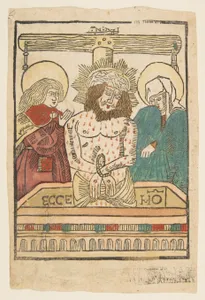
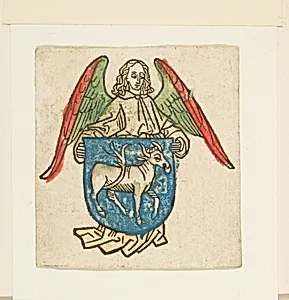
Among the most notable works are *Christ as the Man of Sorrows* (1507), a poignant woodcut hand-colored in red lake, orange, blue, yellow, and green; *Christ Bearing the Cross* (c. 1500), rendered on vellum with mauve, gold, and multiple hues; and *The Virgin Crowned by Two Angels* (c. 1500), an exemplary white-line woodcut. Other highlights include bookplates like that of the Abbey of Ottobeuren (c. 1500) and *Franciscan, Pelbartus of Temesvar, in a Garden* (c. 1500), blending portraiture with landscape elements. Collections such as the National Gallery of Art hold over 400 such prints, while the Metropolitan Museum features pieces like *The Last Judgment* and *St. Dorothea* (both 15th century).
The legacy of these anonymous masters lies in pioneering affordable, reproducible art that fueled the print revolution, influencing Albrecht Dürer and the Danube School. Their works preserve the emotional intensity of late medieval piety while foreshadowing Renaissance realism, remaining staples in major American and European collections today—over 366 documented in virtual archives alone. Though individual biographies remain elusive, their output illuminates the vibrant, faith-driven workshops of 15th-century Germany.