Ctrl K
1855
Gertrude Koch was an American artist active around 1935, best known for her meticulous contributions to the Index of American Design, a landmark Federal Art Project under the Works Progress Administration (WPA). Launched in 1935, this initiative employed artists across the United States to create precise watercolor renderings of everyday folk art objects, preserving a visual record of America's vernacular decorative traditions amid the Great Depression. Koch's early life and training remain not well documented, with no records of specific teachers, art schools, or mentors identified in available sources. Her work exemplifies the project's ethos: objective, detailed documentation that elevated humble crafts like weather vanes and chalkware figures into subjects worthy of fine art study.
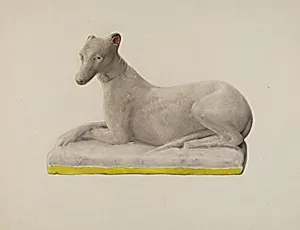
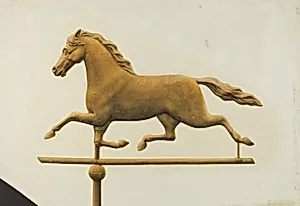
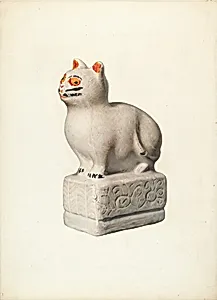
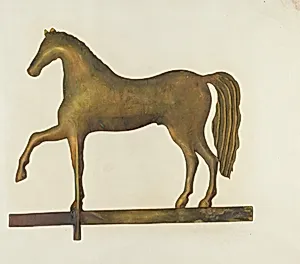
Koch specialized in watercolor and graphite depictions of three-dimensional folk sculptures, capturing their textures, colors, and forms with scientific accuracy. Among her major works in the National Gallery of Art's collection are *Chalkware Greyhound* (c. 1941), a seated dog figure rendered in watercolor and graphite on paperboard; *Running Horse Weather Vane* (c. 1940), portraying a dynamic equine form originally 36 inches long; *Weather Vane Horse* (c. 1940), in watercolor and gouache; and *Chalkware Cat* (c. 1940), another whimsical animal sculpture measuring about 5.5 inches in its original form. These pieces highlight her skill in translating sculptural depth onto flat paper, often noting the original object's dimensions for historical context. Working in the Index of American Design tradition, Koch's style was realistic and unembellished, prioritizing fidelity to the source over personal interpretation—a deliberate choice to serve scholarship rather than self-expression.
Though Koch produced no independent body of fine art, her legacy endures through the enduring value of the Index, which comprises over 18,000 renderings now digitized and studied worldwide. Housed primarily at the National Gallery of Art, her four documented works contribute to a broader appreciation of American material culture, from 19th-century carnival chalkware to functional weather vanes. By bridging art and anthropology, Koch helped democratize art history, ensuring that everyday American craftsmanship received the attention it deserved. Her precise drafts remain vital references for collectors, historians, and designers today, underscoring the WPA's role in sustaining artistic labor during economic hardship.