Ctrl K
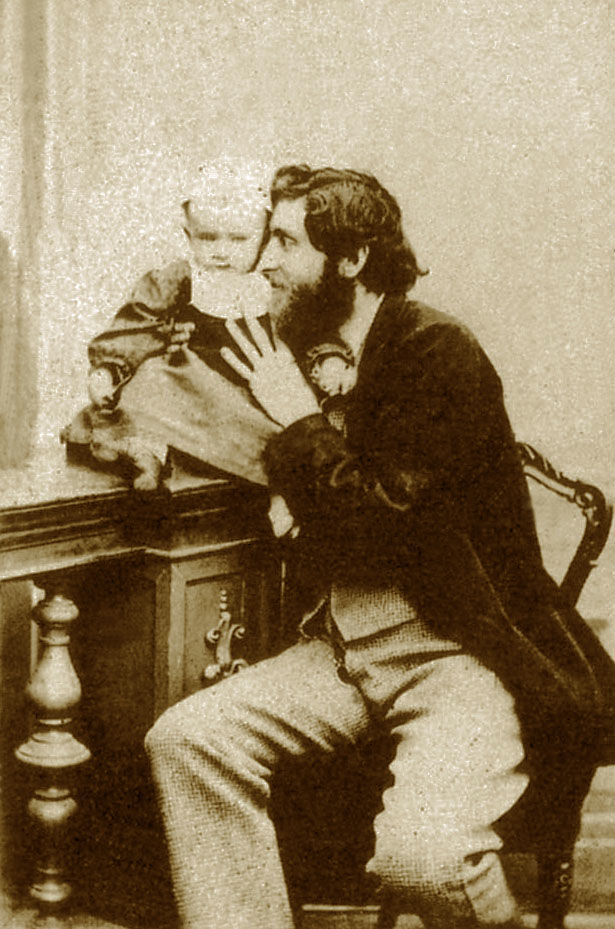
1834–1914
Giorgio Sommer, born Georg Sommer on September 2, 1834, in Frankfurt am Main within the German Confederation, emerged as one of 19th-century Europe's most prolific photographers. After studying business in his hometown, where his family fortune was reportedly lost to his father's gambling, Sommer apprenticed as a photographer before launching his professional career in Switzerland, producing relief images of mountains for the government. By 1856–1857, he relocated to Naples, Italy, establishing his first studio there and quickly immersing himself in documenting the region's rich archaeological and scenic wonders.
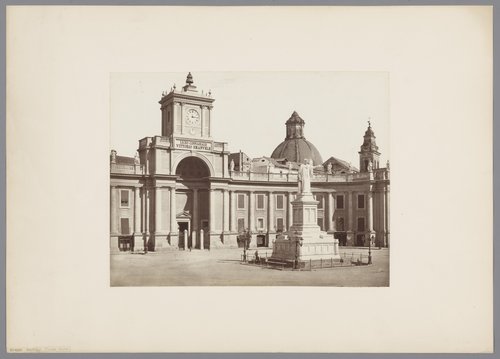
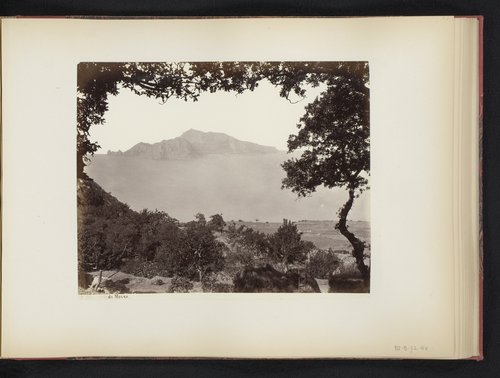
In Naples, Sommer's enterprise flourished. He formed a pivotal partnership in 1866 with fellow German photographer Edmondo Behles (1841–1921), creating the firm Sommer & Behles, which operated expansive studios in Naples (at sites like Strada di Chiaia 168 and Piazza della Vittoria) and Rome until around 1874. Earlier, in 1861, he captured the battlefields and fortifications at Gaeta during Italian unification conflicts, and his travels extended to Capri, Sicily, Pompeii (from 1863 onward), and Herculaneum (1865–1885), alongside Austria, Switzerland, Malta, and Tunisia. Later collaborations included Giorgio Sommer & Figlio with his son Edmondo, as seen in a 1864 self-portrait. Sommer's output encompassed cartes de visite, stereoviews, and large albumen prints, often sold in albums or used for book illustrations.
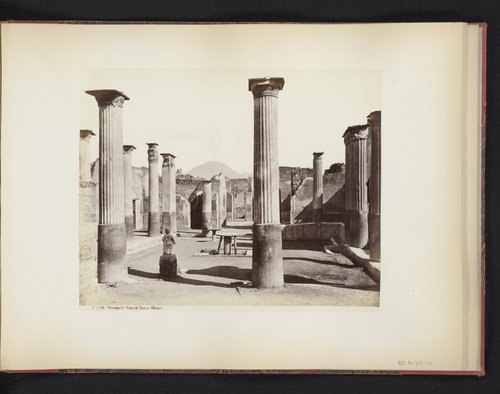
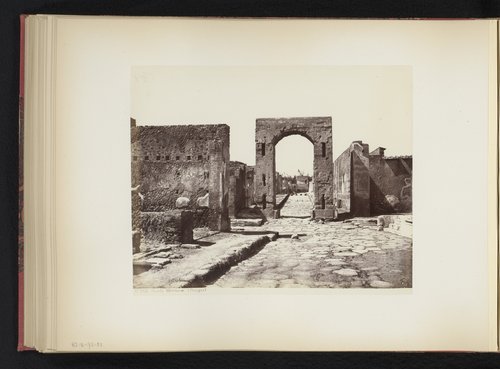
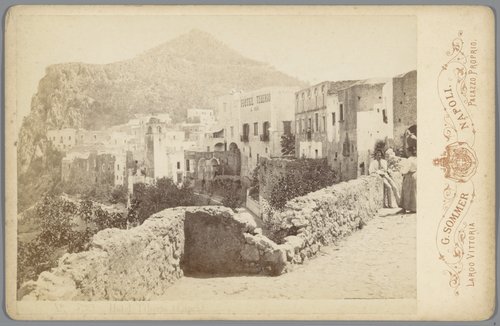
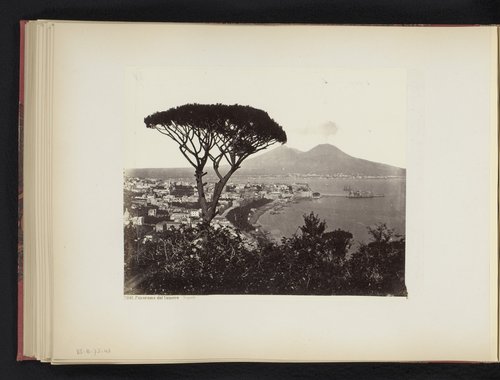
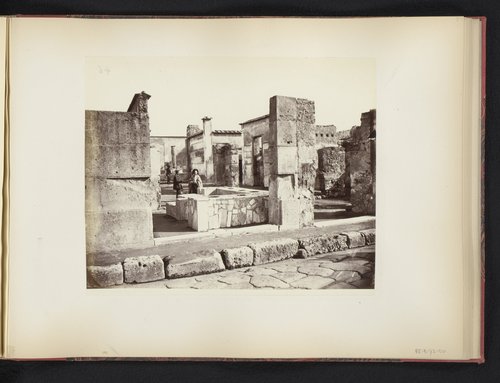
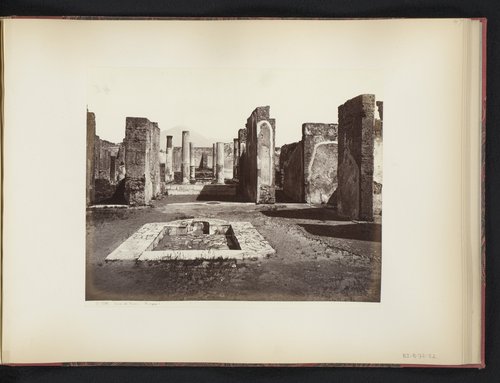
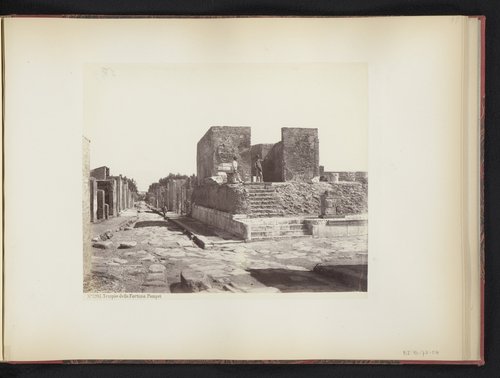
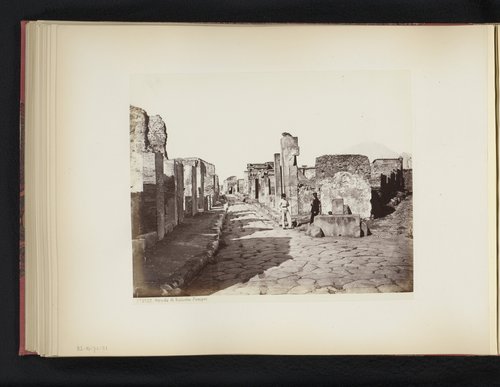
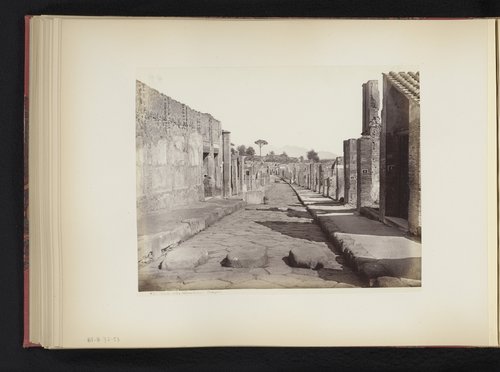
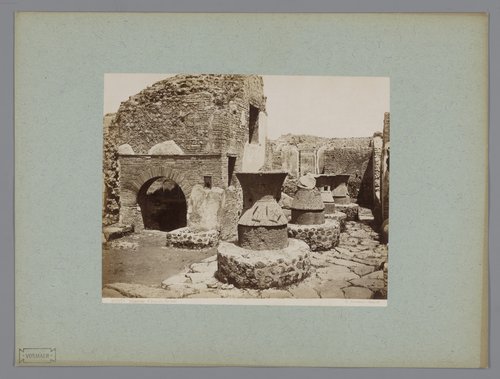
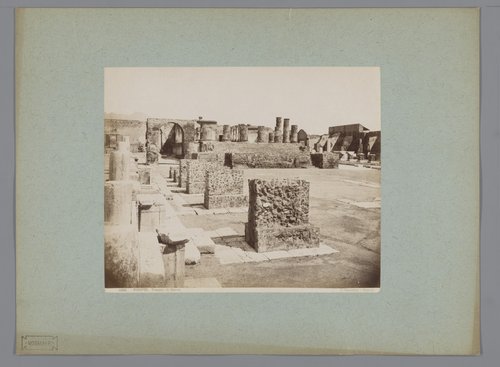
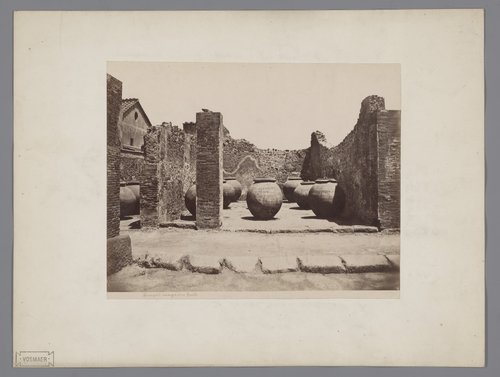
Working in the tradition of topographical and archaeological photography, Sommer excelled in crisp, detailed albumen prints that preserved ancient ruins, volcanic landscapes, and everyday Neapolitan life with documentary precision. Iconic series include his comprehensive *Dintorni di Napoli* album of over 100 street scenes; extensive Pompeii views such as *Stabbia Street*, *House of Diomedes*, *Basilica*, *Temple of Venus*, and *Street of Tombs* (c. 1870); the 1872 Mount Vesuvius eruption documentation; and genre shots like *Spaghetti Eaters* (before 1886, no. 6144) and *Marina Grande, Capri* (c. 1880).
Appointed official photographer to King Victor Emmanuel II, Sommer garnered international acclaim, exhibiting award-winning works in London (1862), Paris (1867), Vienna (1873), and Nuremberg (1885). Active until 1888, he produced thousands of images distributed across Europe, cementing his legacy as a pioneer who bridged commercial photography with cultural preservation. Sommer died in Naples on August 7, 1914, leaving an indelible archive of Italy's grandeur.
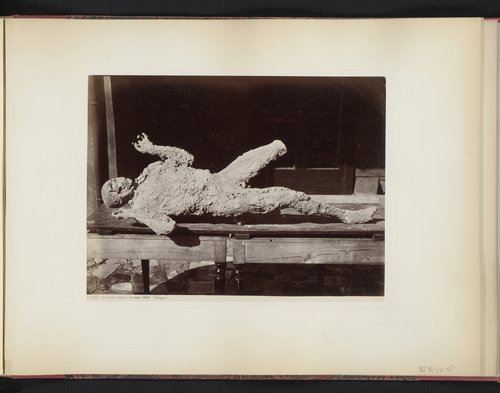
![[Plaster Casts of Bodies, Pompeii]](https://images.artheonmuseum.org/met/ph/thumb/plaster-casts-of-bodies-pompeii-299472.webp)