Ctrl K
1530–1573
**Giovanni Andrea Vavassore (c. 1490s–1572)**
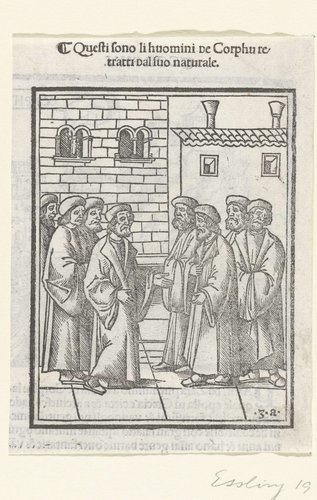
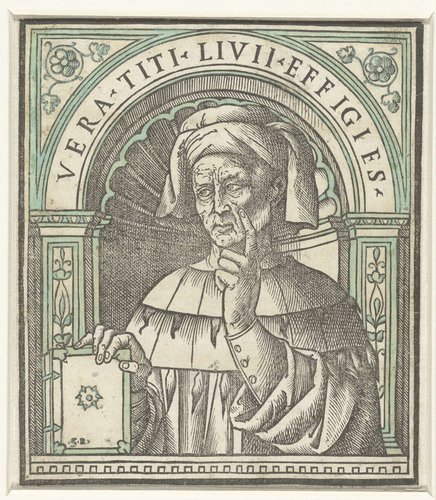
Giovanni Andrea Vavassore, also known as Zoan Andrea or Guadagnino, hailed from Telgate near Bergamo in the Venetian terraferma and established himself in Venice by the early 16th century as a skilled wood engraver. His early life remains sparsely documented, with no records of formal training or mentors, though his initial output as a xylographer reveals a strong Dürerian influence in composition and technique. He collaborated closely with his brother Florio Vavassore, a designer who contributed illustrations to several projects, including the woodcuts for Vavassore's early block book *Opera nova contemplativa per ogni fidel christiano* (c. 1510), featuring 120 devotional images. Other notable early woodcuts include those in *Apocalipsis Jesu Christi* (Venice, 1516) and a masterful portrait of Titus Livy for the historian's 1520 Venetian edition.
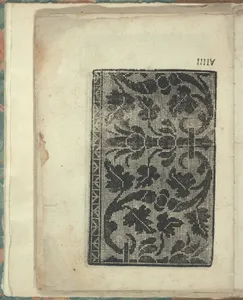
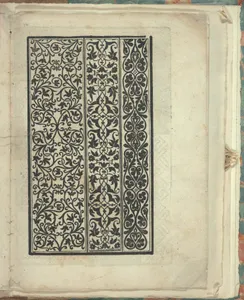
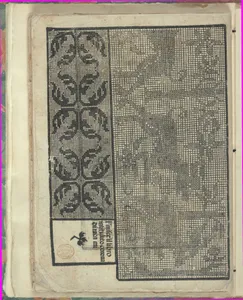
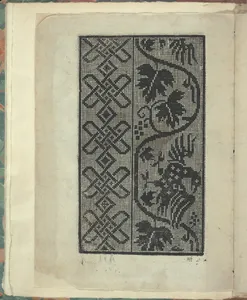
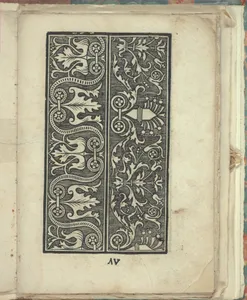
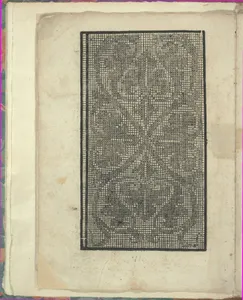
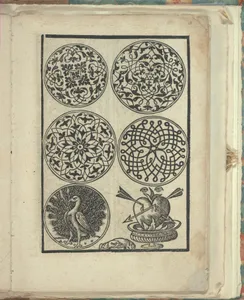
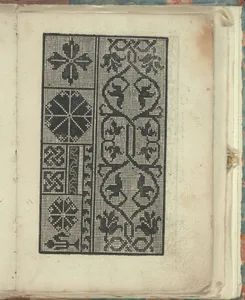
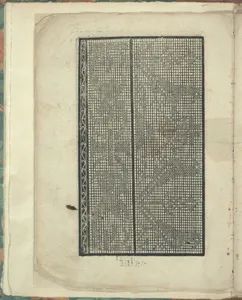
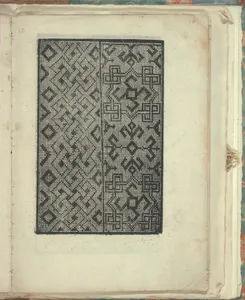
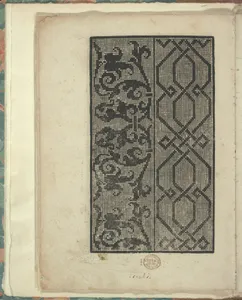
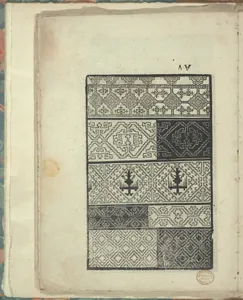
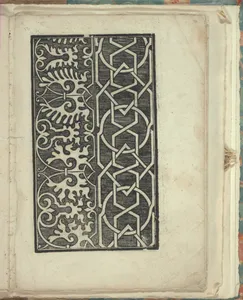
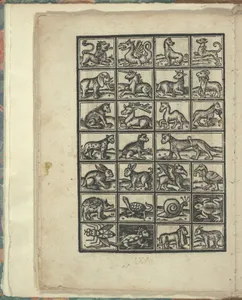
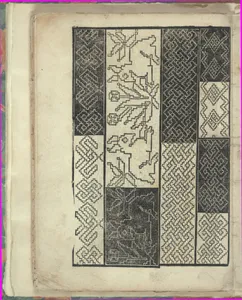
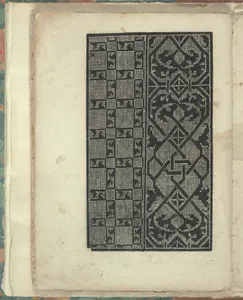
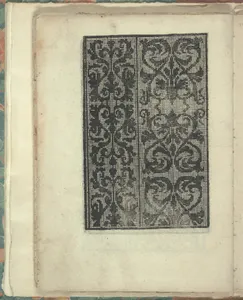
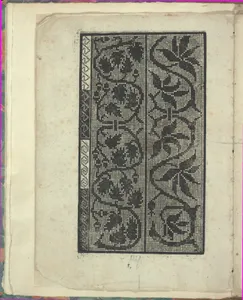
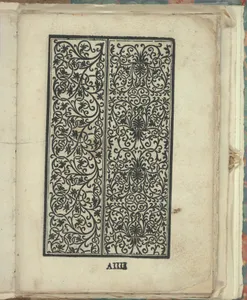
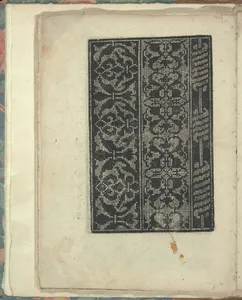
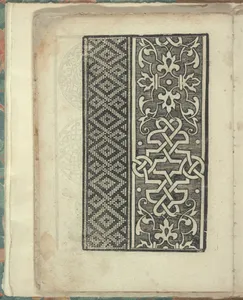
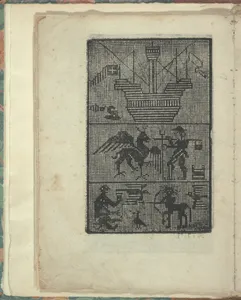
Transitioning from printmaker to publisher around 1530, Vavassore built a thriving workshop at the sign of the Hippogriff, specializing in affordable popular prints, maps, and pattern books that catered to embroidery enthusiasts and the broader market. Key publications include *Corona di racammi* (1530, reprinted 1532), a 60-page embroidery pattern book, and *Esemplario di lauori* (1532), with 47 design pages and a double-page Orpheus cut signed by Florio. He secured Senate privileges, such as one in 1553 for "nove figure et nove additioni" to illustrate Ariosto, Petrarch, and Boccaccio, and produced multiple Ariosto editions (1549–1559). Vavassore's output extended to contemporary events, devotional texts amid the Council of Trent, and even poetic works like *Life and Labours of Hercules*, showcasing his versatility as engraver, translator, and entrepreneur.
As a cartographer, Vavassore excelled in woodcut maps, producing a world map (c. 1522), a four-sheet map of France (1536), a Germany map, and panoramic views like *Byzantivm sive Constantinopolis* and Venice itself, signed "opera di Giovanni Andrea Vavassore ditto Vadagnino." His precise, detailed style, rooted in Northern European influences, made complex geographical and ornamental designs accessible via economical woodblock printing.
Vavassore's firm persisted under his heirs until the 1580s or 1593, underscoring his pivotal role in Venice's vibrant print trade as a "minor" publisher who democratized art and knowledge. With over 76 known works in major collections, such as the Metropolitan Museum's pattern books, his legacy endures as a bridge between artisanal craft and commercial innovation in Renaissance Venice.