Ctrl K
Giovanni Battista and Marchio Sessa were prominent Venetian printers, publishers, and booksellers active in the vibrant printing hub of Renaissance Venice from the mid-16th century through 1602. Operating as a family partnership—likely brothers or close kin—they contributed significantly to the dissemination of ornamental designs during a period when Venice dominated Europe's graphic arts scene. Their workshop, documented in records from the Royal Academy of Arts, produced volumes that bridged fine art and applied crafts, reflecting the city's role as a nexus of trade, innovation, and aesthetic refinement. Little is known about their early lives or formal training, as biographical details from this era for printers are sparsely documented, but their output places them firmly within the tradition of Venetian incunabula and illustrated books, succeeding earlier typographers like Giovan Battista Sessa, who printed in Venice from 1489 to 1505 and may represent an ancestral connection.
The Sessa brothers specialized in woodcut-illustrated pattern books, a genre that democratized intricate designs for lace, embroidery, and textiles. Their artistic style embodied the elegant, grotesque-inspired ornamentation of late Renaissance Venice, characterized by symmetrical motifs, floral arabesques, and figural elements derived from classical antiquity and contemporary Mannerism. These prints were not standalone paintings but functional blueprints for artisans, yet their precision and beauty elevated them to collectible art objects. A hallmark of their approach was collaboration with designers, evident in the high-quality engravings that anticipated the explosion of lace-making across Europe.
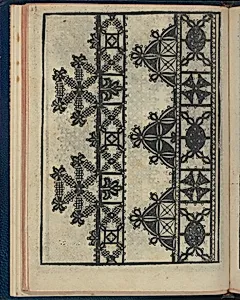
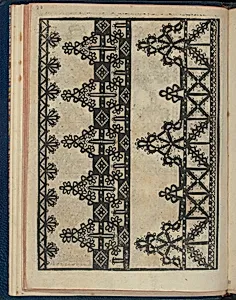
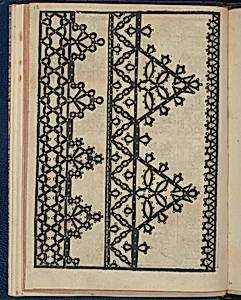
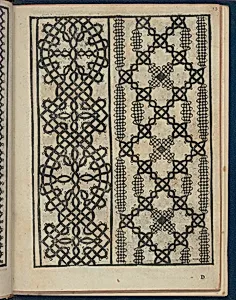
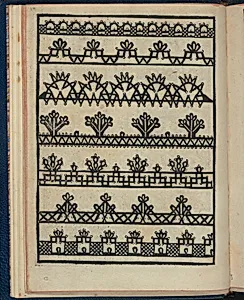
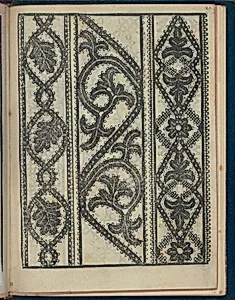
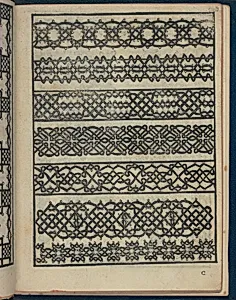
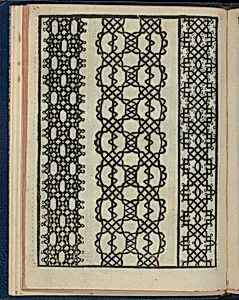
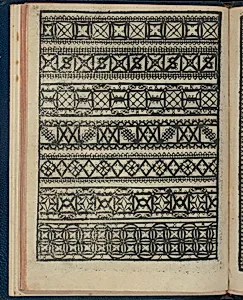
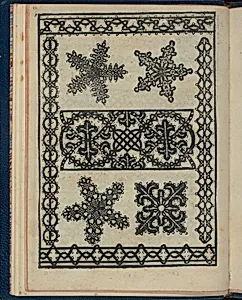
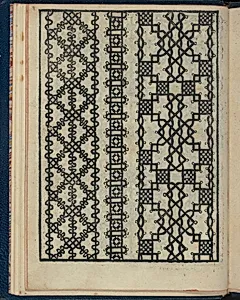
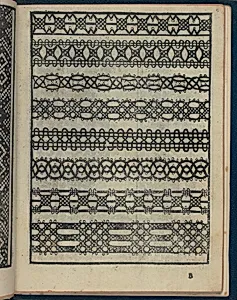
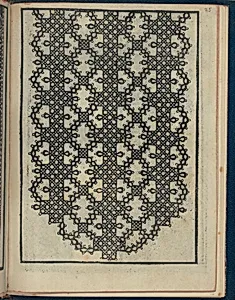
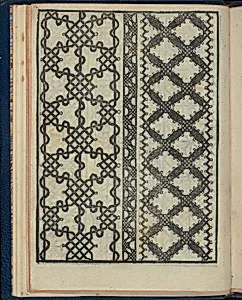
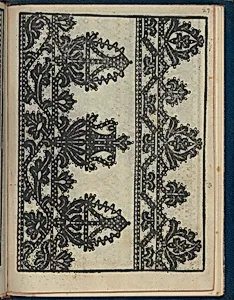
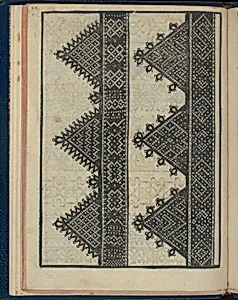
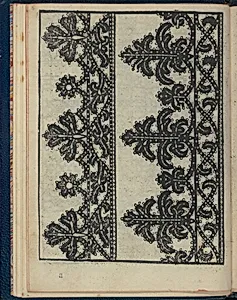
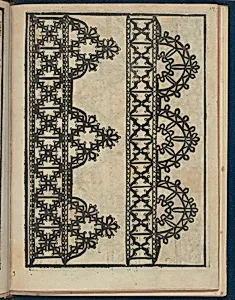
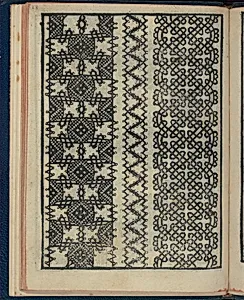
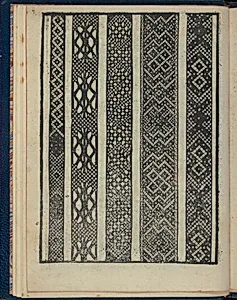
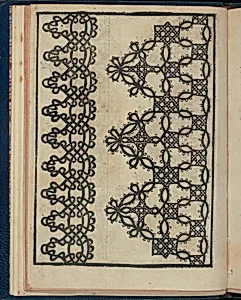
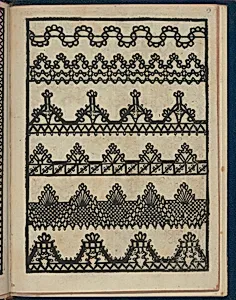
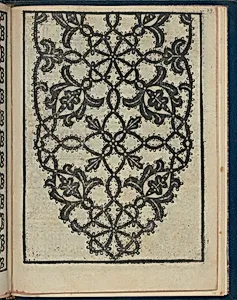
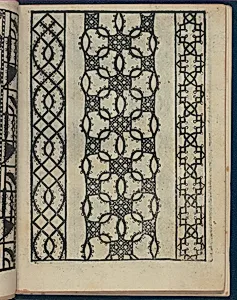
Their most celebrated publication, *Le Pompe: Opera Nova* (published in Venice, circa 1557–1600), stands as the first edition of the pioneering pattern book for bobbin lace, bearing the mark of printer Matteo Pagano on its title page. Housed in collections like The Metropolitan Museum of Art, which holds numerous folios (such as pages 2 verso, 15 verso, and 12 verso), it features 30 pages of intricate designs that instructed lacemakers in creating elaborate reticella and punto in aria techniques. This work revolutionized decorative arts, influencing lace production from Italy to the courts of France and England.
The legacy of Giovanni Battista and Marchio Sessa endures in the history of graphic design and craft manuals, paving the way for later pattern books by artists like Federico de Vinciolo. By making sophisticated motifs accessible, they fueled the Renaissance luxury trade, ensuring Venetian lace's fame. Today, their prints—over 30 preserved examples in major museums—serve as testament to the interplay of art, commerce, and technology in 16th-century Italy, reminding us how printers like the Sessas shaped the visual culture of everyday elegance.