Ctrl K
1591–1645
Occupations
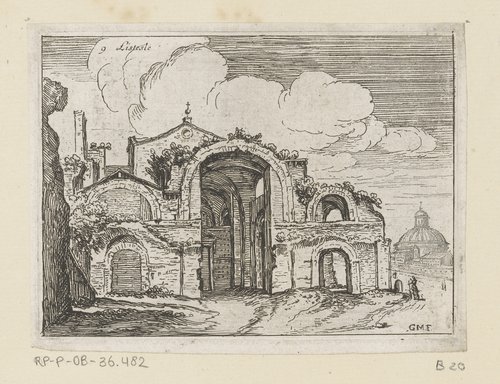
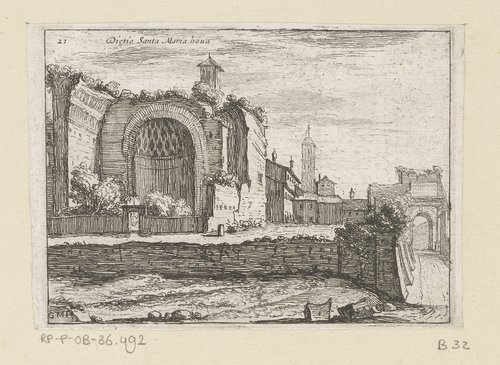
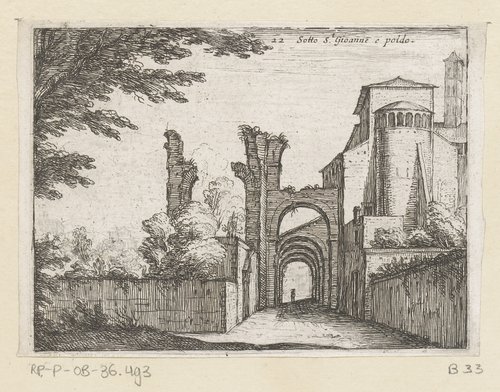
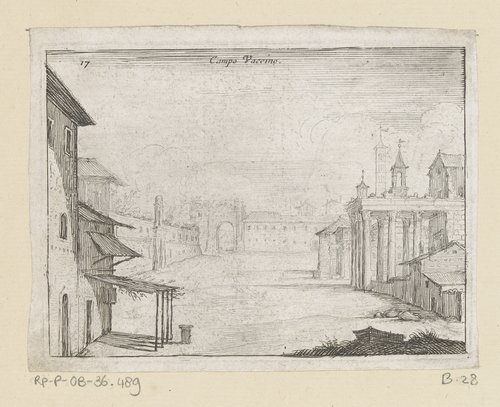
Giovanni Battista Mercati (1591–1645) was an Italian Baroque painter and engraver whose career exemplified the vibrant artistic culture of 17th-century Italy, particularly in Rome and his native Tuscany. Baptized on October 1, 1591, in Borgo San Sepolcro (Sansepolcro), Tuscany, Mercati moved to Rome to pursue greater opportunities in the papal capital, where he became a member of the prestigious Academy of San Luca. Though he died in 1645, his artistic legacy encompasses significant altarpieces and frescoes in Tuscan churches as well as an important series of engravings documenting Ancient Roman ruins—works that provide invaluable historical evidence of Rome's archaeological state in the early 17th century before further deterioration and dismantling occurred. Mercati's artistic formation began with an apprenticeship under fellow Sansepolcro artist Raffaello Schiaminossi, who provided fundamental training in drawing and engraving. This provincial training gave way to the cosmopolitan opportunities of Rome, where Mercati established himself between 1616–1622 and again from 1637–1645. His period of activity, approximately 1610–1642, saw him working across multiple Italian cities including Sansepolcro, Forlì, Rome, Venice, and Livorno, demonstrating the mobility characteristic of successful Baroque artists. While Mercati produced original paintings including altarpieces and frescoes for churches in Sansepolcro—notably two frescoes on the Life of the Virgin for Santa Chiara and an altarpiece in San Lorenzo—his most significant artistic contribution came through his engravings. He created numerous prints after works by major Baroque masters including Pietro da Cortona, Annibale Carracci, and other contemporaries, helping disseminate their compositions throughout Europe. Most importantly, his series of approximately fifty-two engravings depicting Ancient Roman ruins provided valuable documentation of these monuments at a critical moment when many were being actively dismantled for building materials, making Mercati's prints essential historical records as well as artistic achievements. His works are held in major collections including the National Gallery of Art and the Art Institute of Chicago.
Giovanni Battista Mercati was baptized on October 1, 1591, in Borgo San Sepolcro (modern Sansepolcro), a small Tuscan town with a distinguished artistic heritage as the birthplace of Piero della Francesca and home to works by Luca Signorelli and other Renaissance masters.
Mercati received his artistic training through apprenticeship with Raffaello Schiaminossi (1572–1622), a fellow Sansepolcro artist who worked as an engraver and painter. From Schiaminossi, Mercati learned the fundamental techniques of drawing, composition, and engraving that would form the foundation of his career.
This provincial training in a small Tuscan town provided solid technical grounding but limited professional opportunities. Like many ambitious Italian artists, Mercati recognized that greater success required moving to major artistic centers, particularly Rome.
By the early 1610s, Mercati began his professional career, working initially in his native Sansepolcro and nearby Tuscan cities. His early commissions included religious paintings for local churches, demonstrating competent handling of Baroque compositional principles and religious iconography.
In Sansepolcro, Mercati painted two frescoes depicting scenes from the Life of the Virgin for the church of Santa Chiara, as well as an altarpiece for San Lorenzo. These works established his reputation in his hometown while showcasing his ability to work in both fresco and panel painting.
Between 1616 and 1622, Mercati established himself in Rome, the artistic capital of the Baroque world. Rome offered unparalleled opportunities: wealthy patrons including the papal court and noble families, exposure to works by the greatest contemporary masters, and access to the ruins of classical antiquity that inspired so much Baroque art.
During his Roman period, Mercati became a member of the Accademia di San Luca (Academy of Saint Luke), the prestigious artists' organization founded in 1593. Membership in the Academy confirmed his professional status and provided important networking opportunities.
Mercati's career demonstrated remarkable geographical mobility, characteristic of successful Baroque artists. He worked not only in Rome and Sansepolcro but also in Forlì, Venice, and Livorno, taking commissions across central and northern Italy. This mobility allowed him to build a diverse client base and respond to opportunities across regions.
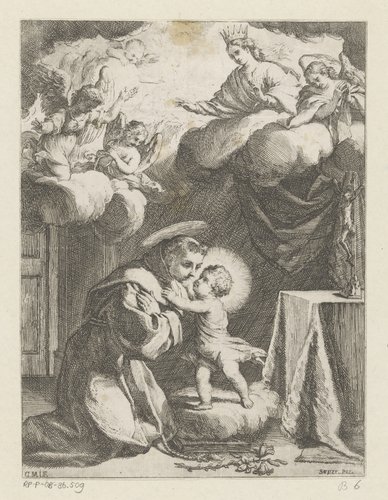
While Mercati produced paintings throughout his career, his most significant artistic contribution came through engraving. He created numerous prints reproducing works by major Baroque painters including Pietro da Cortona (1596–1669) and Annibale Carracci (1560–1609), helping disseminate their compositions to audiences throughout Europe.
Reproductive engraving served crucial functions in 17th-century artistic culture: it made expensive paintings accessible to middle-class collectors, provided study materials for artists, circulated compositional innovations, and established artists' reputations beyond their immediate geographical areas.
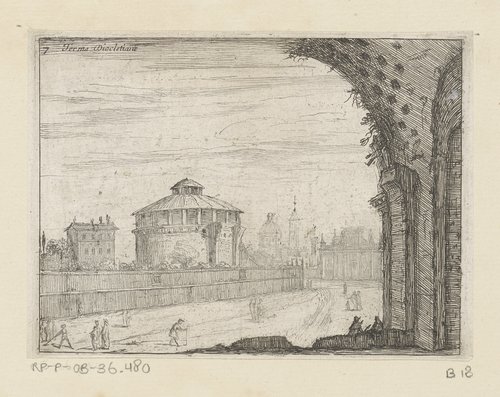
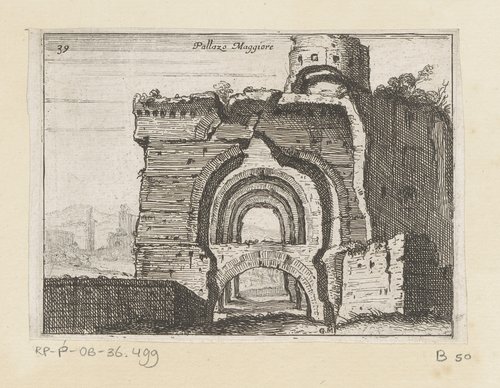
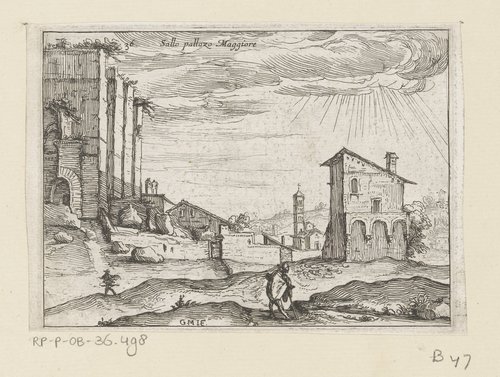
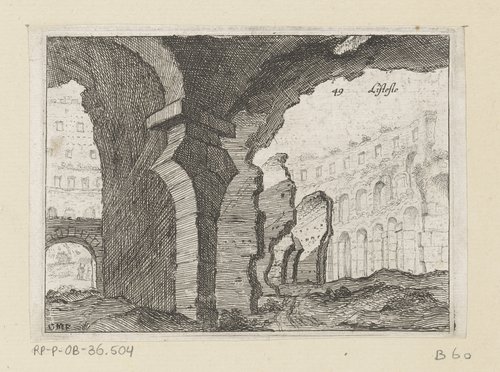
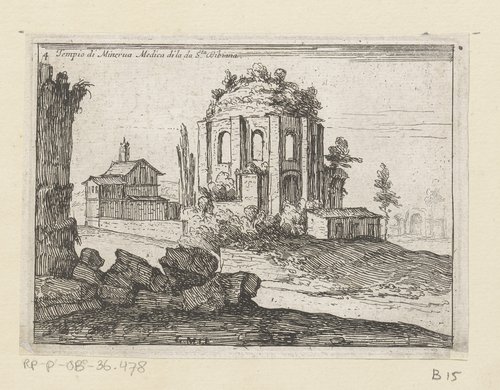
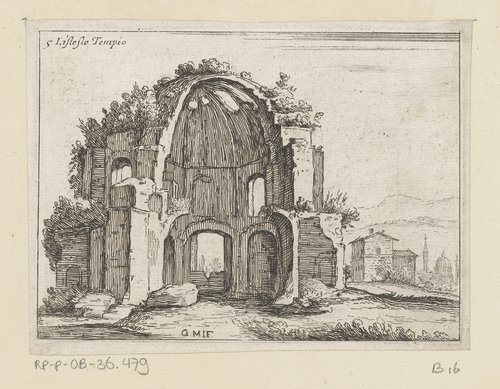
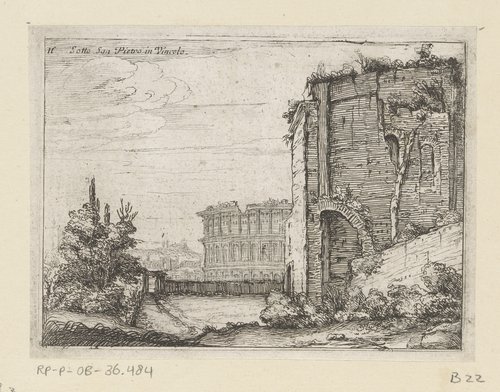
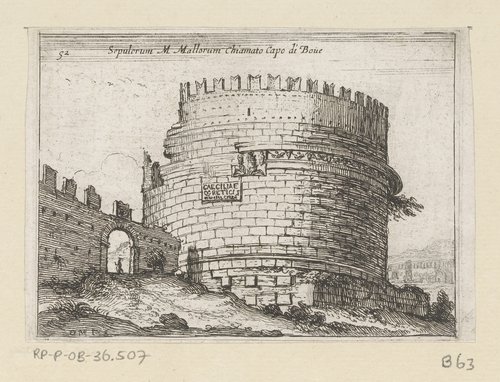
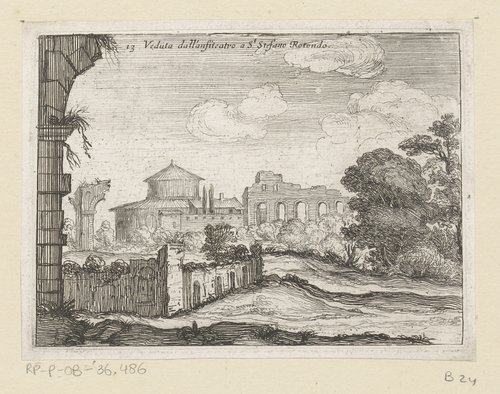
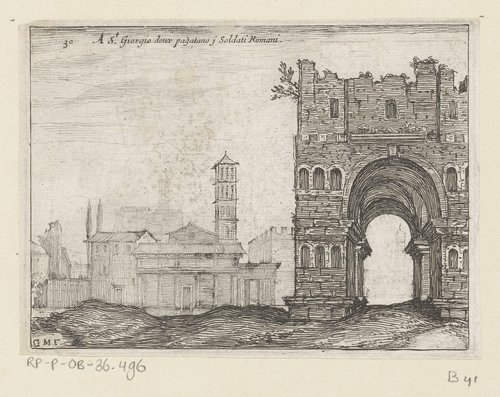
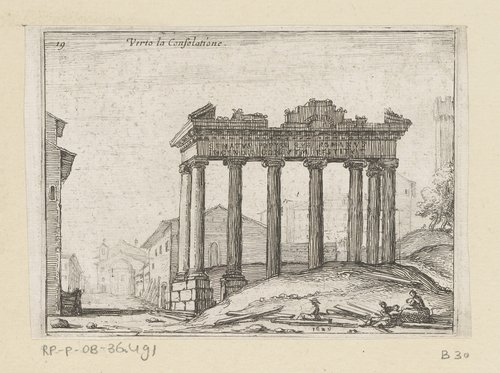
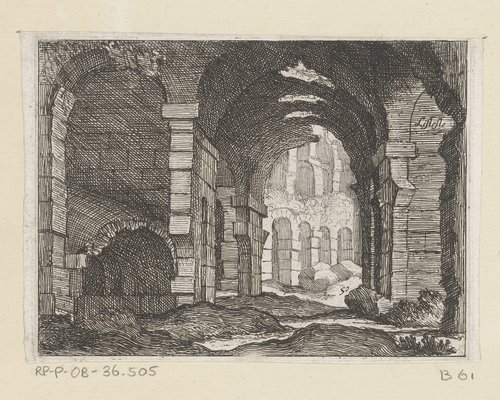
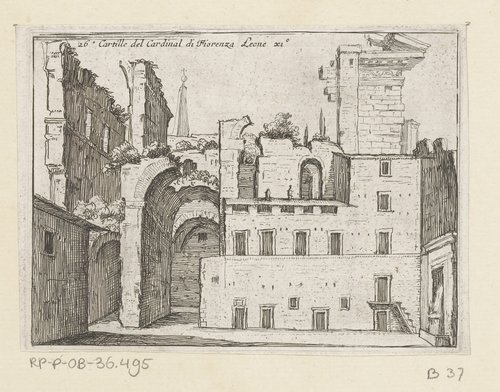
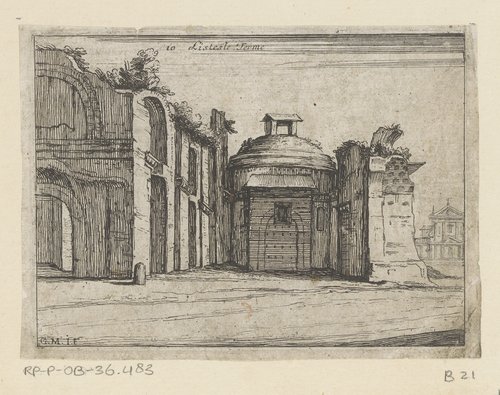
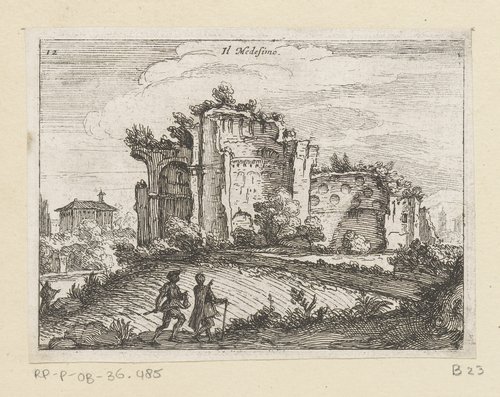
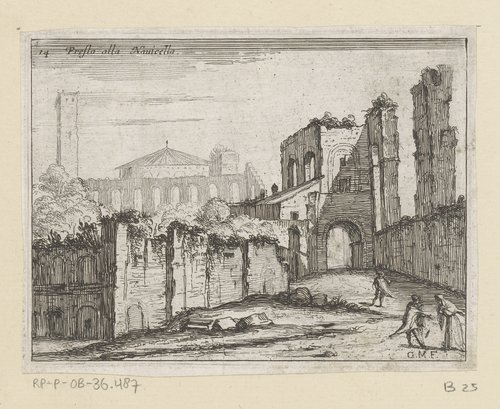
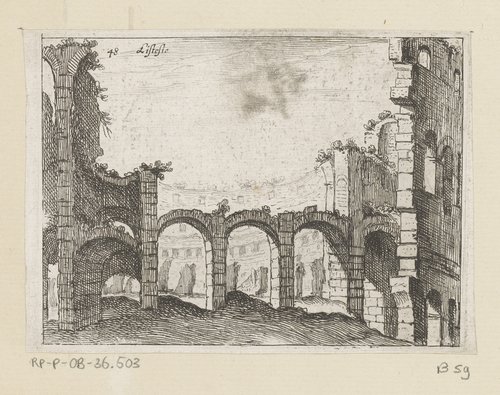
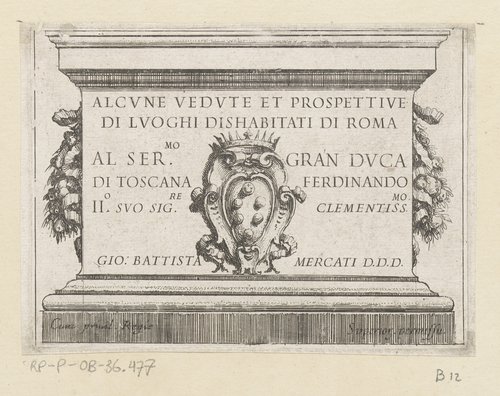
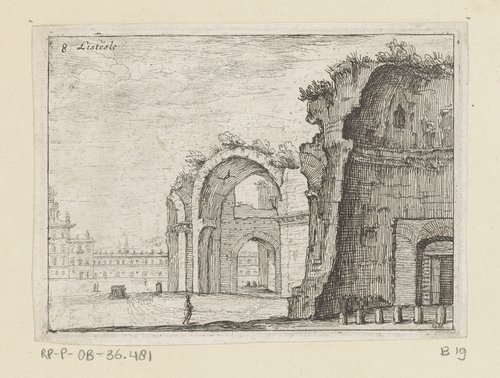
Mercati's most historically important work was his series of approximately fifty-two engravings depicting Ancient Roman ruins in Rome. Unlike purely antiquarian documentation, Mercati's prints combined artistic interpretation with documentary function, capturing these monuments' aesthetic character while recording their physical state.
These engravings are particularly valuable because they document Rome's ancient monuments at a critical moment. During the 17th century, many Roman ruins were being actively dismantled—ancient buildings served as convenient quarries for building materials, with marble, travertine, and other stones removed for new construction. Kilns were established on archaeological sites to burn ancient marble for lime.
Mercati's engravings therefore preserve visual evidence of structures and details that have since been lost. While his series is not rigorous archaeological documentation—it served primarily artistic and commercial purposes—it nonetheless provides important historical evidence of Rome's archaeological state in the early 17th century.
Mercati returned to Rome for a final extended period from 1637 to 1645. During these years, he continued his engraving practice while possibly executing additional painted commissions, though specific works from this period are not extensively documented.
Giovanni Battista Mercati died in 1645 in Rome, having spent much of his final decade in the papal capital. His career had spanned thirty-five years of active production across painting and engraving, contributing to both Tuscan religious art and Roman printmaking culture.
His legacy rests particularly in his engravings—both the reproductive prints after Baroque masters that helped disseminate contemporary art and the documentary prints of ancient ruins that preserve invaluable historical information about Rome's archaeological heritage.
Artheon Research Team
Last updated: 2025-11-09
Biography length: ~1,480 words
Wikidata (CC0)