Ctrl K
1682–1754
Giovanni Battista Piazzetta was born in Venice in 1682 and trained first under his father, the sculptor and woodcarver Giacomo Piazzetta, before turning decisively to painting. The crucial formative experience of his career came when he traveled to Bologna to study under Giuseppe Maria Crespi, whose dramatic use of chiaroscuro — strong contrasts of light and shadow rooted in the Caravaggesque tradition — left an indelible mark on Piazzetta's mature style. Returning to Venice by around 1711, he brought with him a painterly language that stood in productive tension with the city's prevailing taste for luminous color and atmospheric lightness.
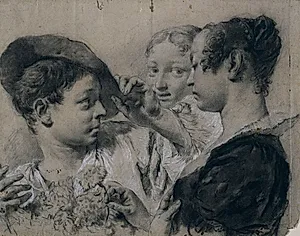
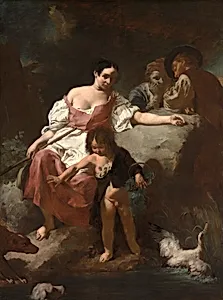
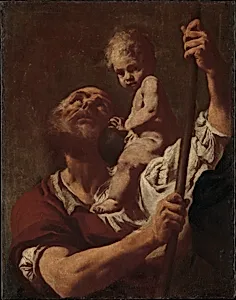
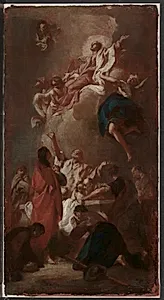
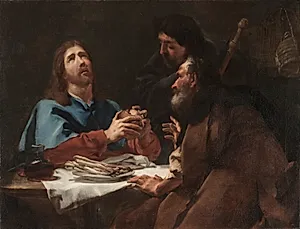
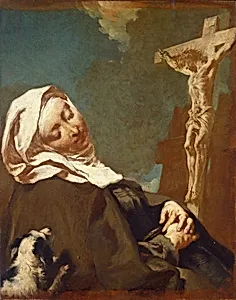
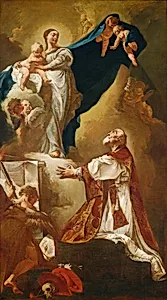
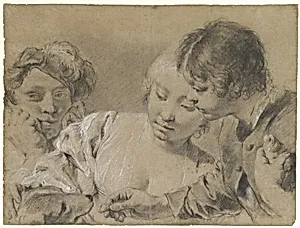
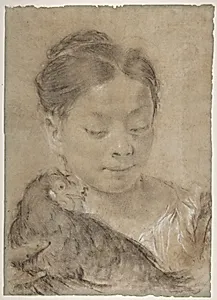
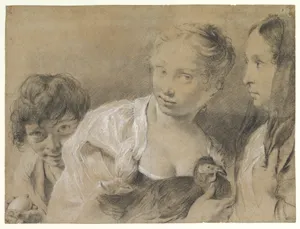
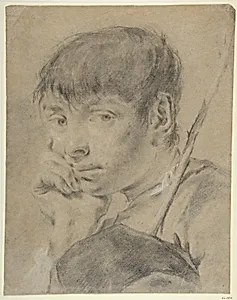
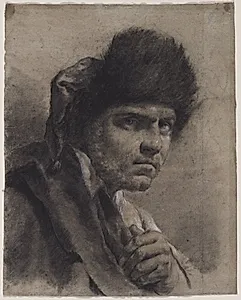
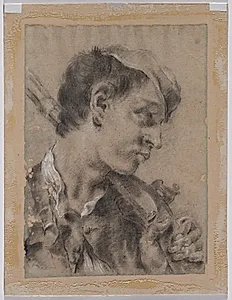
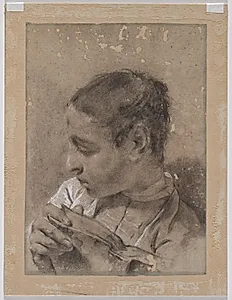
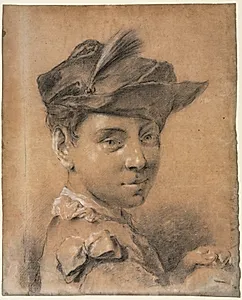
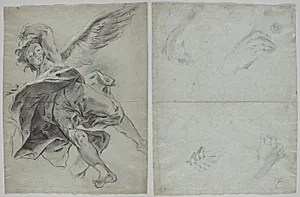
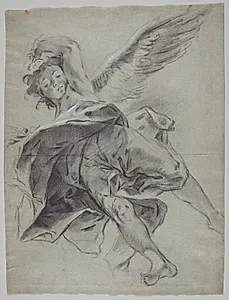
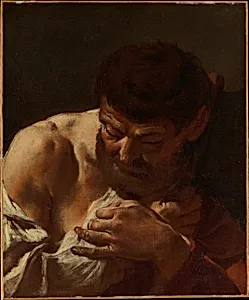
Piazzetta's style is immediately recognizable: figures emerge from deep, velvety shadows into pools of warm, concentrated light, their surfaces rendered with a tactile richness that rewards close looking. His palette tends toward earth tones and muted golds rather than the brilliant hues associated with contemporaries such as Tiepolo, and his compositions convey a brooding psychological intensity unusual in Venetian painting of the period. He was a slow and deliberate worker, and his relatively modest output — comprising religious and mythological paintings, genre scenes, and an exceptional body of drawings — reflects his exacting standards.
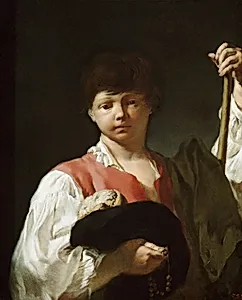
Among his most celebrated works are the altarpiece of Saint James Led to Martyrdom for the church of Santi Giovanni e Paolo in Venice and the Glory of Saint Dominic painted for the same church's ceiling. His genre paintings and head studies of peasant figures and soldiers were enormously popular with collectors and were widely disseminated through prints. In 1750 he was appointed the first director of the Venetian Academy of Painting and Sculpture, a recognition of his standing as the leading representative of the older generation of Venetian masters.
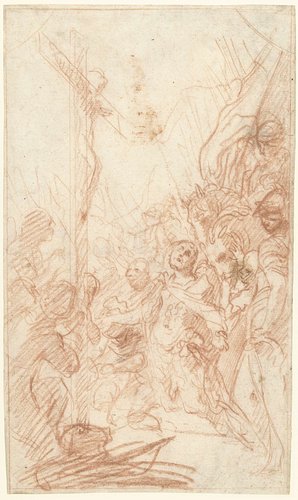
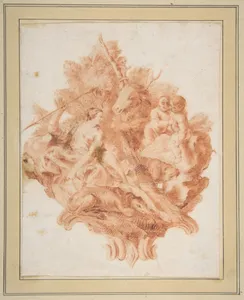
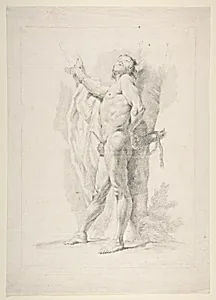
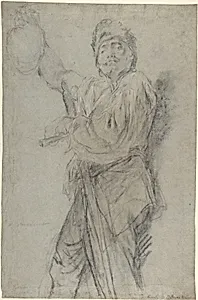
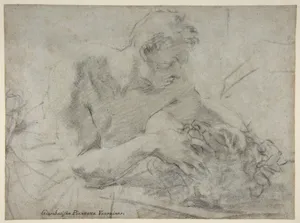
Piazzetta died in Venice in 1754, shortly before a commission he had undertaken could be completed. His influence on Venetian painting was substantial, particularly through his drawings, which circulated widely and shaped the training of younger artists. He represents a vital counter-current in eighteenth-century Venice — a painter who insisted on the expressive power of shadow and solidity at a moment when his city increasingly favored the airy and the spectacular.