Ctrl K
1749–1790
Giovanni David (1743–1790) was a Genoese painter and etcher whose brief career, shaped by distinguished patronage and wide-ranging travel, produced a body of work remarkable for its experimental verve. Born in Genoa, he came under the protection of Count Giacomo Durazzo, a cultivated Genoese nobleman and diplomat who became the defining figure of his artistic life. Durazzo sponsored David's training in Rome in the early 1770s, where he studied under Domenico Corvi and won a first prize at the Accademia di San Luca in 1775.
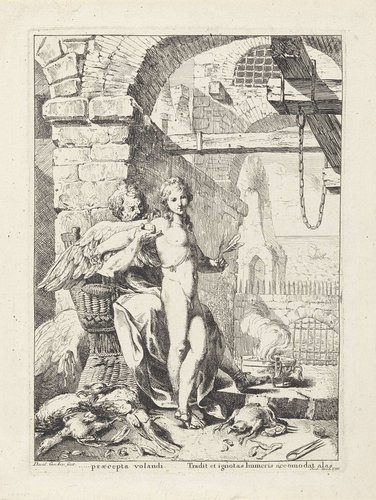
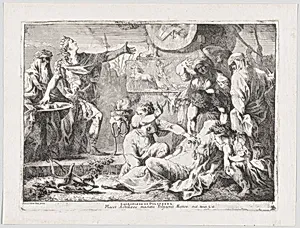
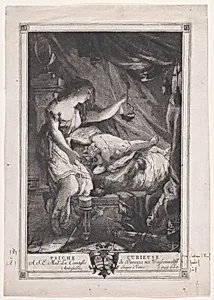
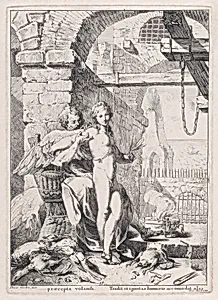
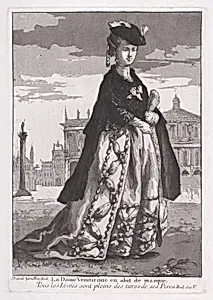
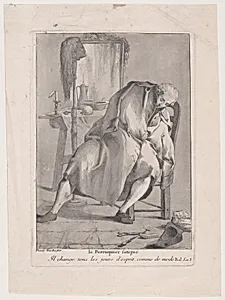
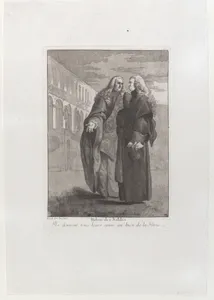
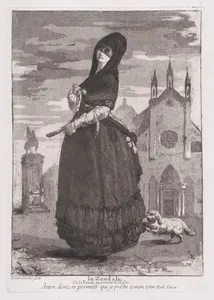
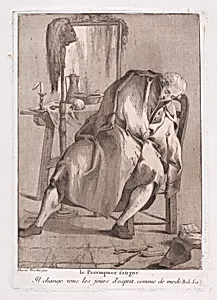
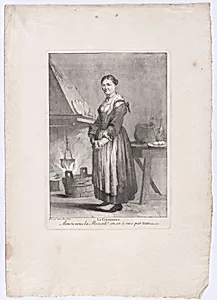
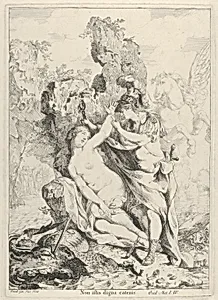
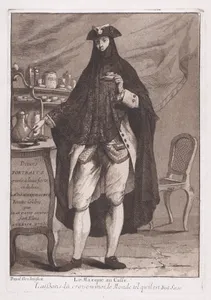
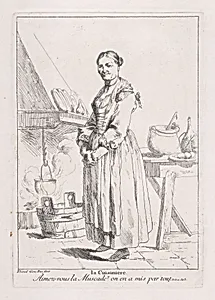
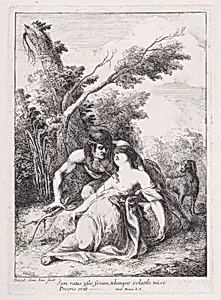
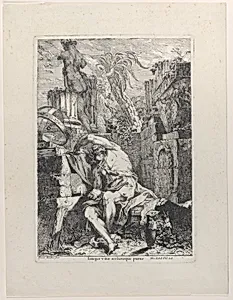
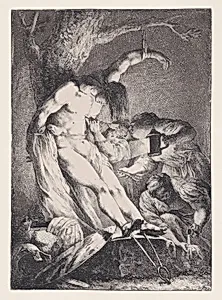
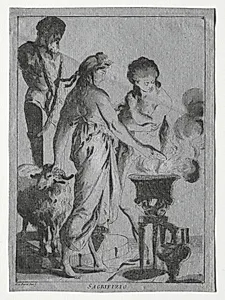
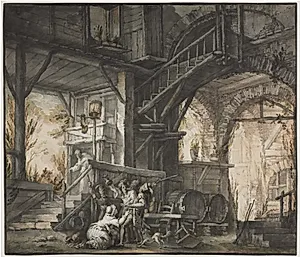
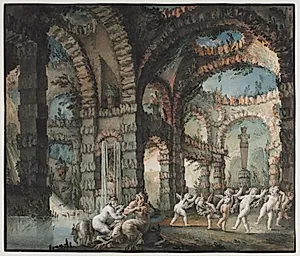
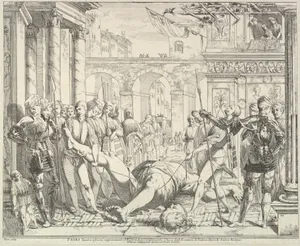
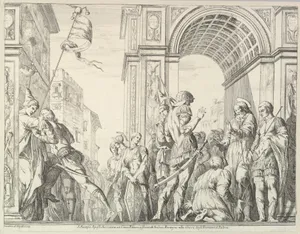
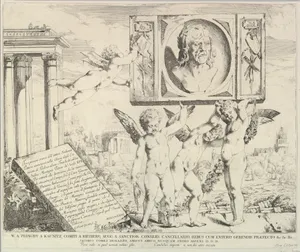
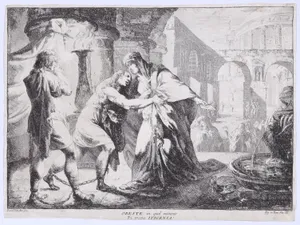
After periods in Naples and Rome, David settled in Venice between 1775 and 1776, and it was there that his most celebrated and productive work as a printmaker took shape. In these years he produced a large number of etchings covering allegorical, literary, and genre subjects, as well as reproductive prints after earlier masters including Andrea Mantegna, Jacopo Bellini, and Giulio Romano. His approach to etching was inventive and expressive—his biographer would later describe his printed work as distinguished by a willingness to experiment with new techniques and an unusual personal energy. At the end of the 1770s he returned to Genoa and continued to work under Durazzo's patronage, producing paintings and frescoes for the count and his circle.
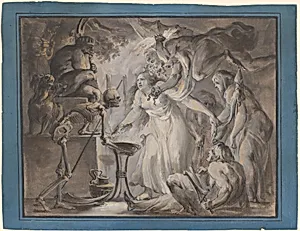
Only a small number of paintings, frescoes, and drawings survive from David's career, which a later biographer characterized as marked by few known works, a deliberately mysterious biography, and a singular style difficult to place within the mainstream currents of Italian art. His contemporaries and subsequent writers have noted both his genuine originality and the obscurity that has surrounded him—a figure who seems to have operated at the margins of artistic convention by choice as much as by circumstance.
David died in 1790 at the age of forty-six or forty-seven, leaving an incomplete legacy that has intrigued specialists of Genoese and Italian eighteenth-century art. His etchings in particular, housed in collections including the British Museum and the Fondation Custodia in Paris, continue to attract attention for the restless intelligence they display.