Ctrl K
1825–1908
Giovanni Fattori (1825–1908) was born in Livorno and showed such aptitude for drawing that his family redirected him from a planned commercial education to an artistic apprenticeship under the local painter Giuseppe Baldini. In 1846 he moved to Florence, where he studied under Giuseppe Bezzuoli and attended the Academy of Fine Arts. His early work followed the conventions of historical and religious painting, but a growing restlessness with academic formulas brought him into contact with a group of progressive artists who gathered at the Caffè Michelangelo in Florence and argued for a more direct, painterly response to contemporary subjects.
Fattori became a central figure in the movement that emerged from these discussions—the Macchiaioli, named (originally in derision) after the macchia, or patch, of color that was the movement's basic pictorial unit. Rejecting the smooth, idealized surfaces of academic painting, the Macchiaioli painted in bold, juxtaposed strokes that captured the optical impression of light on a subject seen in the immediate moment, anticipating approaches that the French Impressionists would independently develop. A significant encounter with the Roman landscape painter Giovanni Costa reinforced Fattori's commitment to plein-air painting and to subjects drawn from contemporary life.
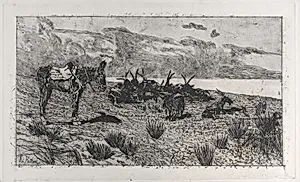
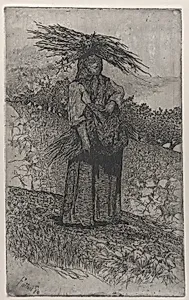
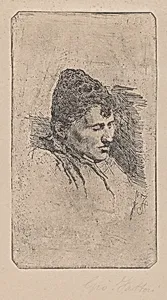
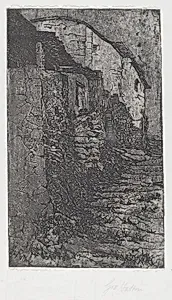
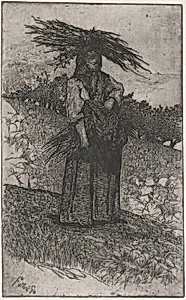
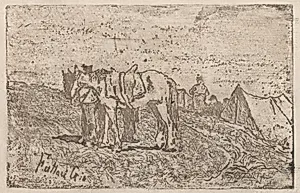
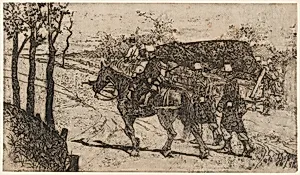
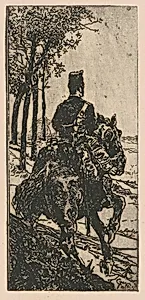
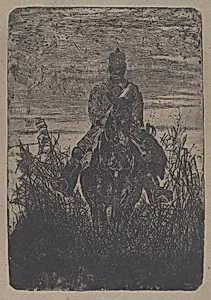
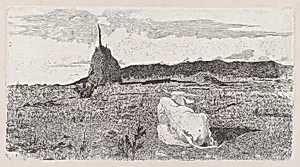
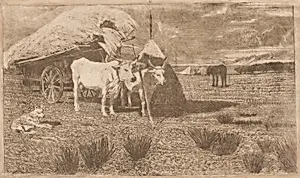
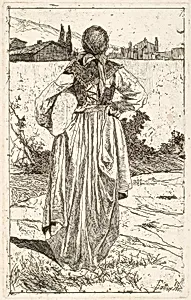
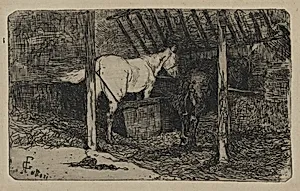
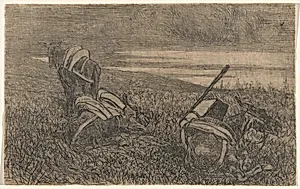
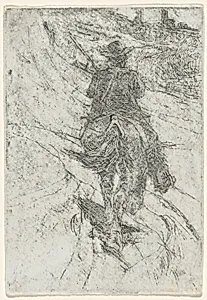
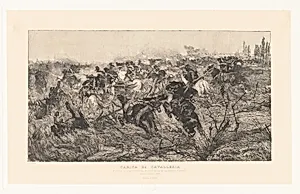
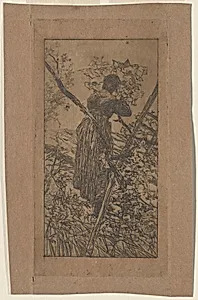
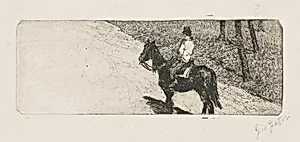
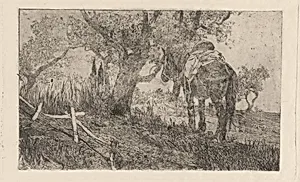
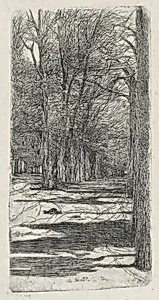
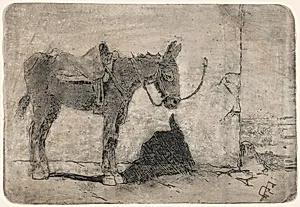
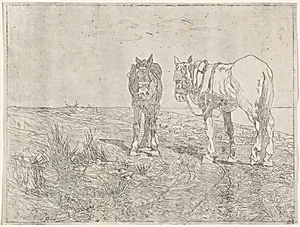
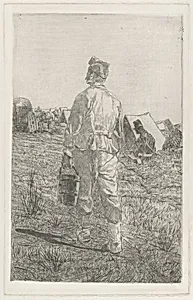
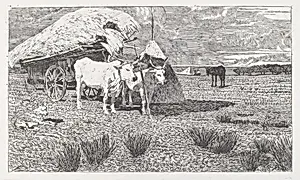
Fattori's mature work focused with particular intensity on military subjects—not the grand theatrical battle scenes of academic tradition, but quieter images of soldiers at rest, cavalry in encampment, infantry marching through the Tuscan countryside. Painted with austerity and directness, these works captured the experience of the Risorgimento wars with a sobriety that gave them lasting power. He also painted sensitive figure studies, rural landscapes with oxen and farm laborers, and intimate portraits. After 1884 he devoted considerable energy to etching, producing a body of prints that extended his visual investigations into a new medium.
Fattori taught at the Academy of Fine Arts in Florence for many decades and exerted enormous influence on subsequent generations of Italian artists. He is regarded as the preeminent figure of the Macchiaioli movement and as one of the key transitional artists of Italian nineteenth-century painting—a figure who helped move Italian art away from academic convention and toward the direct observation of modern life.