Ctrl K
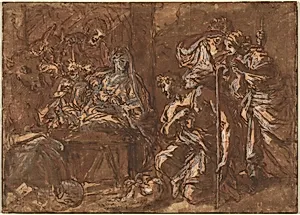
1654–1714
**Giuseppe Passeri (1654–1714)** was an Italian painter of the Baroque period, active throughout his career in his native city of Rome. Born on 12 March 1654, he was the nephew of the painter and biographer Giovanni Battista Passeri, who served as his first master before he entered the studio of the leading Roman artist Carlo Maratta.
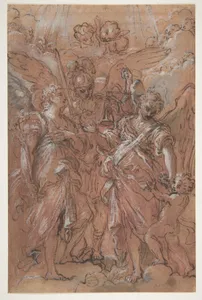
Passeri worked firmly within the late Baroque tradition, producing religious frescoes, altarpieces, and easel paintings noted for their dramatic compositions, rich color, and dynamic figures influenced by Maratta’s classicizing style. His earliest dated commissions date to 1678 for the Palazzo Barberini in Rome. Among his notable works are the fresco decorations (1700–1703) in the second chapel on the right of Santa Caterina a Magnanapoli, including the altar paintings *Three Archangels* and *Madonna of the Rosary*; the canvas *St. Peter Baptizes the Centurion*, later transferred to mosaic; and *Companions of Armida and Rinaldo* (c. 1685–1690), now in the Musée du Louvre.
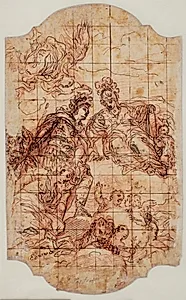
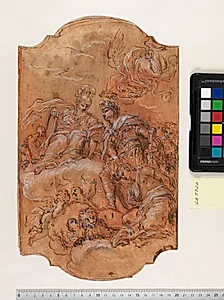
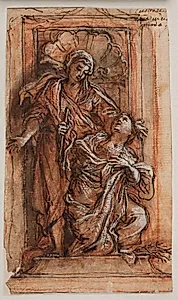
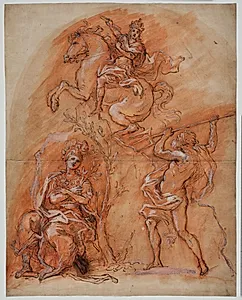
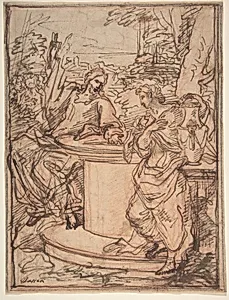
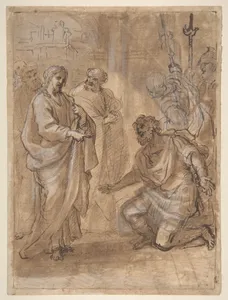
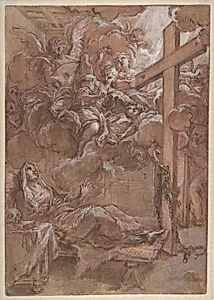
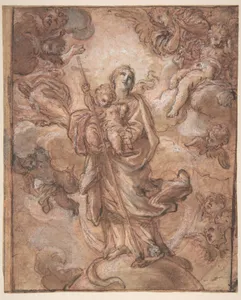
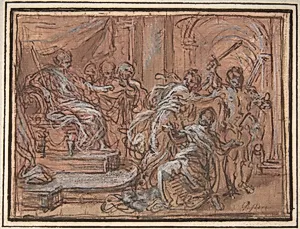
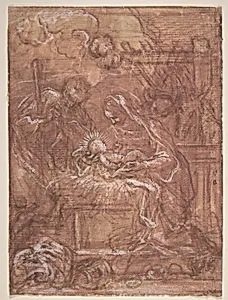
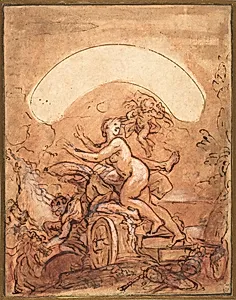
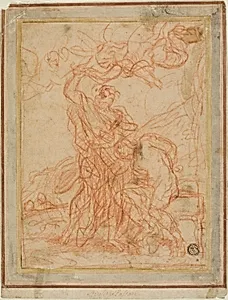
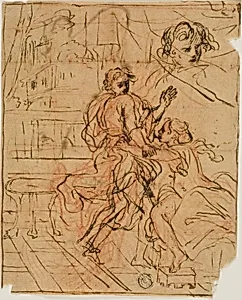
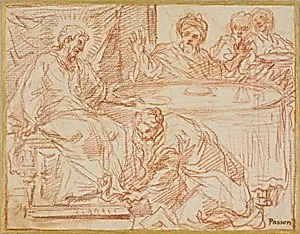
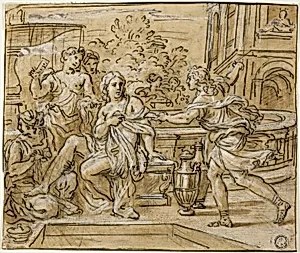
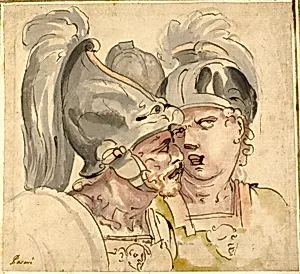
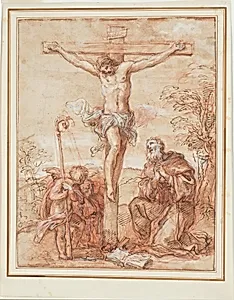
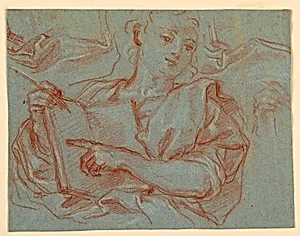
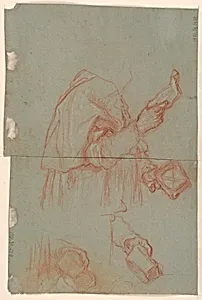
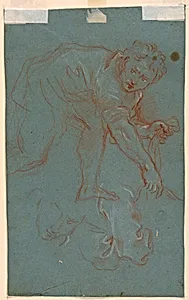
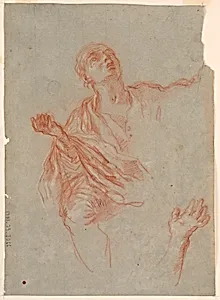
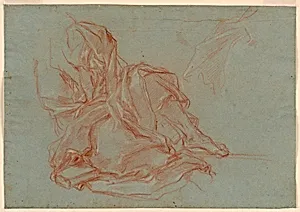
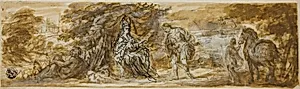
Passeri also created portraits and was a prolific draughtsman whose drawings survive in major European collections. He sent many easel paintings abroad to patrons in Naples, Sicily, England, and Scotland. He died in Rome on 2 November 1714.
Passeri’s legacy rests on his contributions to Roman Baroque decoration and his role in the Maratta circle, which shaped the transition toward the more restrained styles of the early eighteenth century. His works continue to appear in museum collections worldwide, including the National Gallery of Art in Washington and the British Museum, where they illustrate the vitality of late-seventeenth-century Roman painting.