Ctrl K
1850–1950
**Goodwin & Company (ca. 1850–1950)**
Goodwin & Company, originally established as E. Goodwin and Brother before the American Civil War, emerged as a prominent New York City-based tobacco manufacturer in the mid-19th century. Operating from the bustling heart of Manhattan, the firm built its reputation on popular cigarette brands such as Gypsy Queen and, most notably, Old Judge, which became synonymous with innovative marketing through inserted collectible cards. By the late 1880s, Goodwin & Company had transformed tobacco packaging into a canvas for mass-produced art, commissioning thousands of chromolithographed inserts that captivated consumers across America. The company's trajectory shifted dramatically in 1890 when it merged into James Buchanan Duke's American Tobacco Company conglomerate, effectively ending its independent operations, though its brands and legacy persisted under larger entities until the mid-20th century.
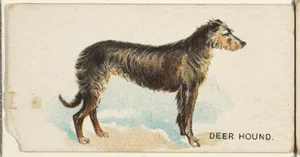
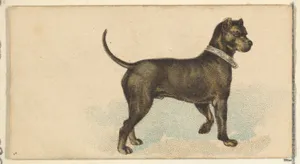
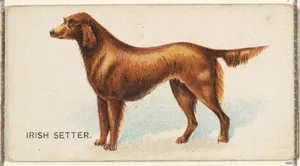
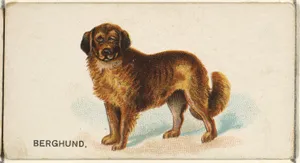
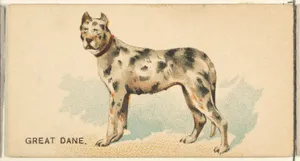
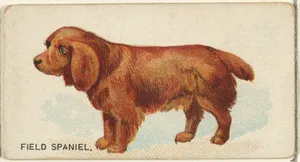
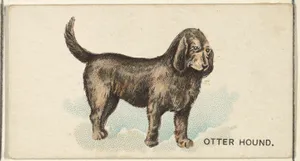
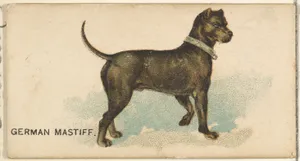
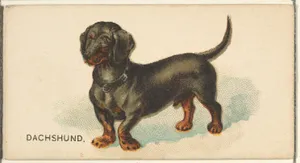
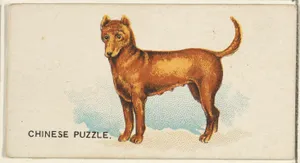
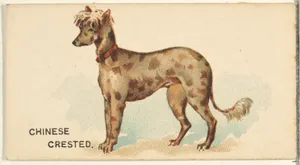
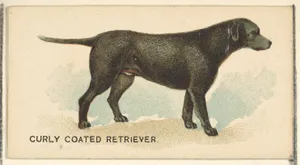
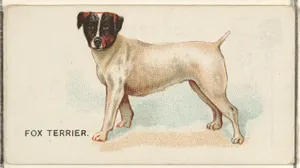
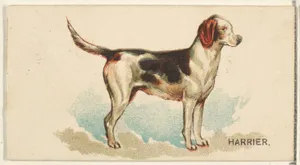
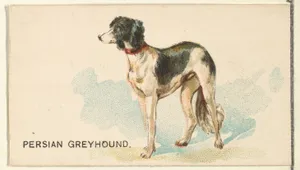
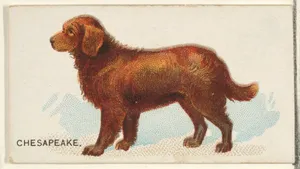
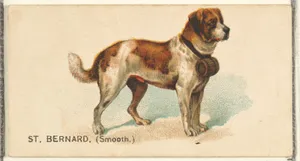
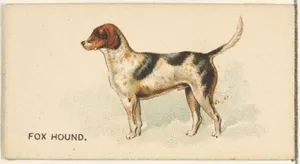
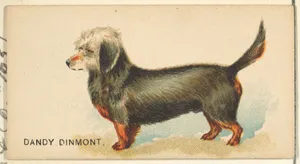
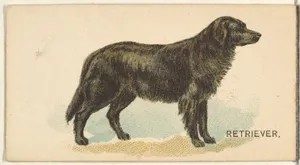
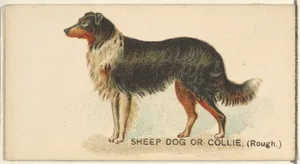
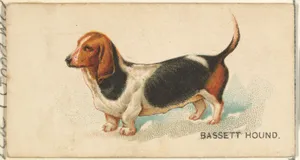
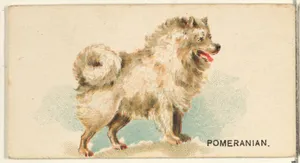
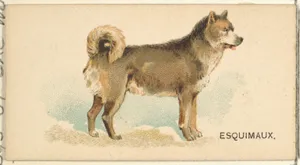
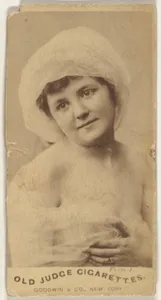
The firm's artistic pinnacle lay in its expansive series of trading cards issued primarily with Old Judge Cigarettes from 1886 to 1890, totaling over 2,600 known designs that documented American culture with vivid detail. Pioneering the baseball card phenomenon, the Old Judge series (N172) featured photographic portraits of major league players like Cap Anson and King Kelly, often posed in action or with team logos, marking the dawn of sports memorabilia. Other celebrated sets included Dogs of the World (50 cards showcasing breeds like the Sheep Dog or Collie), Flowers (e.g., Magnolia Soulangeana), Actors and Actresses (featuring stars like Miss Harriet Vernon), Occupations for Women (such as King of the Amazons or Postillion), and Games and Sports (depicting Pedestrian Contest). These were printed by specialist firms like Giles Lithographic Company, blending photography with hand-colored lithography for striking realism.
Rooted in the chromolithographic tradition of late-19th-century commercial printing, Goodwin & Company's output exemplified the Gilded Age fusion of advertising and fine art reproduction, prioritizing hyper-detailed, accessible imagery over individual artistic movements. Their cards, now prized in institutions like The Metropolitan Museum of Art—which holds complete or near-complete series—laid the groundwork for the multibillion-dollar trading card industry. By democratizing portraiture and celebrity culture, Goodwin & Company not only fueled tobacco sales but also preserved a vibrant snapshot of Victorian-era America, from athletic heroes to floral splendor, ensuring their ephemera endures as cultural treasures.