Ctrl K

Gordon Parks (1912–2006), born the youngest of fifteen children to a Kansas tenant farmer and his wife in segregated Fort Scott, overcame a childhood marked by poverty, racism, and tragedy—including his mother's death at age fourteen—to become one of America's most influential chroniclers of Black life. Entirely self-taught after purchasing his first camera in 1937, inspired by Farm Security Administration (FSA) images of migrant workers, Parks honed his skills through portraiture in St. Paul and Chicago's South Side Community Art Center, where he connected with artists like Charles White and Langston Hughes. A Julius Rosenwald Fellowship in 1942 propelled him to Washington, D.C., where he trained under FSA mentor Roy Stryker, producing his breakthrough series on government charwoman Ella Watson, including the iconic *American Gothic* (1942), a stark portrait juxtaposing her broom and mop against the American flag to expose racial inequities.
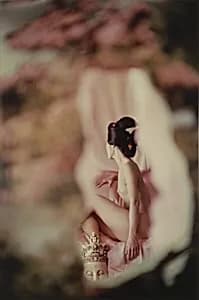
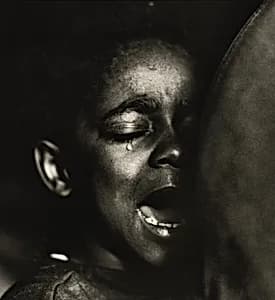
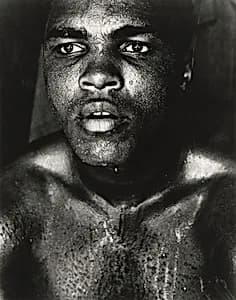
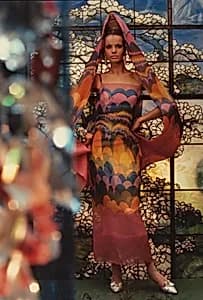
Parks worked in the FSA and Office of War Information documentary tradition, blending photojournalism with fashion and portraiture to wield his camera "as a weapon" against poverty, segregation, and discrimination. As the first Black staff photographer at *Life* magazine from 1948 to 1972, he crafted seminal essays like the 1948 Harlem gang series on "Red" Jackson, *The Restraints: Open and Hidden* (1956) on Alabama segregation, and profiles of Malcolm X, Muhammad Ali, and the Fontenelle family amid welfare struggles (1967). His expressive style captured human dignity amid hardship—dynamic poses in *Vogue* fashion shoots, ironic contrasts echoing Grant Wood, and color innovations that humanized Black experiences—always insisting on writing his own captions for narrative control.
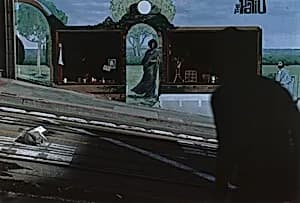
Transitioning to film, Parks directed the semi-autobiographical *The Learning Tree* (1969), the first major Hollywood feature by a Black director, and blaxploitation landmark *Shaft* (1971), reshaping cinematic portrayals of Black heroism. A prolific author of memoirs like *A Choice of Weapons* (1966) and composer of works such as *Martin* (1989 ballet), he earned the National Medal of Arts (1988) and over fifty honorary doctorates. Married three times with four children—including filmmaker Gordon Parks Jr.—Parks's archives, preserved by the Gordon Parks Foundation and institutions like the Library of Congress, continue to inspire social justice through exhibitions and education, cementing his legacy as a multifaceted pioneer who transformed American visual culture.