Ctrl K
1741–1804
Gotō Mitsumori, known by his art name Keijō (or Keijo), was a distinguished Japanese metalworker of the late Edo period, renowned for his mastery of sword fittings. Born in 1741 as the third son of Jūjō Mitsusato, the twelfth head of the main Gotō line, he was adopted by Enjō, who had no children of his own, ensuring the continuation of the prestigious family workshop. He succeeded as the fourteenth-generation master of the Gotō school, a lineage of artisans specializing in tosogu (sword fittings) that traced its origins to the Muromachi period.
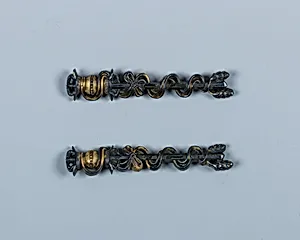
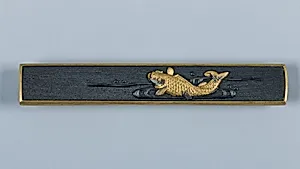
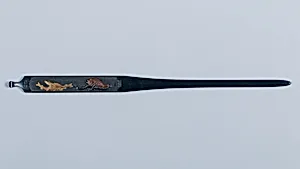
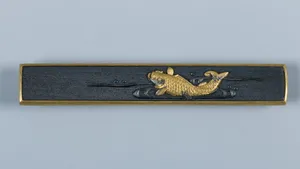
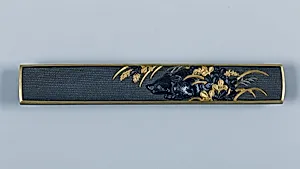
Working firmly within the Gotō school tradition, Mitsumori excelled in intricate designs executed in gold, silver, and other metals, often featuring motifs drawn from nature, mythology, and classical literature. His pieces, including kozuka (knife handles), menuki (hilt ornaments), tsuba (sword guards), and complete mitokoromono sets, exemplify the refined, high-relief techniques and meticulous detailing for which the school was celebrated. Many surviving works date to the mid-to-late eighteenth century and reflect the aesthetic demands of samurai culture during a time of relative peace.
Among his documented creations are several notable sword fittings now held in major collections, such as a set of mitokoromono and individual kozuka preserved at the Metropolitan Museum of Art. These pieces highlight his skill in combining functionality with exquisite ornamentation. As the fourteenth-generation master, Mitsumori upheld and advanced the Gotō family’s centuries-old reputation for technical excellence and artistic innovation in metalwork.
Mitsumori died in 1804, leaving a legacy as a key figure in the final flourishing of traditional Japanese sword-fitting artistry before the Meiji-era shifts in samurai culture. His works continue to be studied and admired for their embodiment of Edo-period craftsmanship and the enduring influence of the Gotō lineage on Japanese decorative arts.