Ctrl K
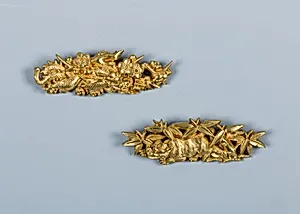
1603–1673
**Gotō Teijō (1603–1673)**
Gotō Teijō, born Genichirō in 1603 as the second son of Gotō Kenjō—the seventh master of the prestigious Gotō Shirobei mainline—entered a world dominated by his family's renowned metalworking legacy. He studied under his father, whose style profoundly influenced Teijō's early output, which often mimicked Kenjō's refined techniques in soft-metal sword fittings (kōdōgu). After Kenjō entered the priesthood in 1624, Teijō adopted the name Ribei Mitsumasa and later succeeded his uncle Sokujō Mitsushige as the ninth Gotō Shirobei master in 1636 (Kan'ei 13), serving as guardian to his young nephew Renjō, the tenth head, until Renjō reached maturity at age 25. Renaming himself Teijō in 1646 (Shōhō 3), he embodied the Gotō school's iye-bori tradition, specializing in chiseling exquisite tosogu for samurai swords while living alternately in Kyoto and Kanazawa, the Maeda clan's domain.
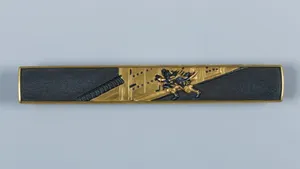
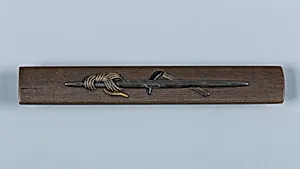
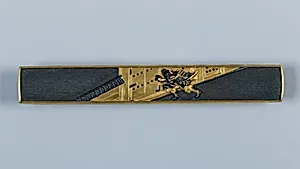
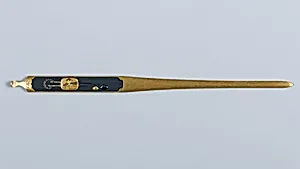
Teijō worked firmly in the Gotō school tradition, mastering shakudō with nanako grounds, takabori high relief, and gold-silver iroe inlays that brought motifs to life—dragons powerfully coiled, zodiac animals, floral patterns, mon crests, and dynamic scenes like samurai battles or the famed Gojō Bridge duel between Benkei and Minamoto no Yoshitsune. His designs evolved from rigid family precedents to more whimsical independence, as seen in mid-17th-century sets like a kogai and kozuka depicting snow-draped mikan oranges, or an early Edo futatokoromono (kozuka-menuki pair) of the bridge battle, which earned Jūyō ranking. Other masterpieces include menuki, fuchi-kashira, and rare tsuba, many housed in collections like the Metropolitan Museum of Art, where his 17th-century kozuka and sword-grip ornaments showcase noble dignity and deep, clear chisel marks evoking serene autumn moons.
Retiring as family head around 1652 (Shōō 1), Teijō became a full-time retainer to Maeda Toshitsune, receiving a 40-koku stipend from Shogun Tokugawa Ietsuna, and contributed to Kaga's flamboyant culture alongside cousin Enjō. He died in 1673 (Enpō 1), elevated to Hokkyō rank, leaving a legacy as perhaps the most skilled Gotō master—ranked Meiko in the Kinkō Meikan—with works of unmatched variety prized for their lofty spirit over mere craft. Authenticating predecessors' pieces via origami, Teijō's output defined samurai elegance under Tokugawa patronage, influencing the school's dominance into the 19th century.(378 words)