Ctrl K
1909–1978
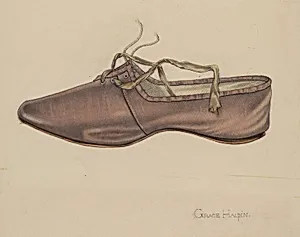
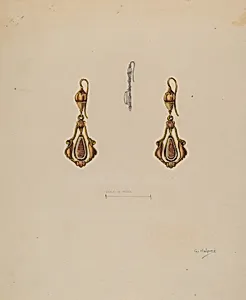
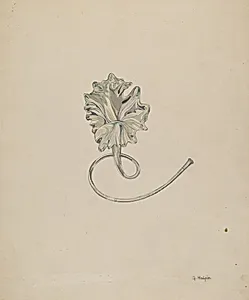
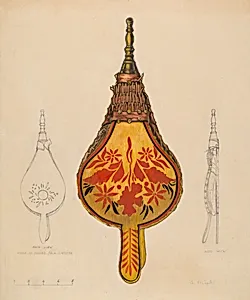
**Grace Halpin (1909–1978)** was an American artist best known for her meticulous contributions to the Index of American Design, a Federal Art Project under the Works Progress Administration (WPA) during the 1930s and 1940s. This ambitious initiative commissioned artists to create detailed renderings of everyday American folk and decorative arts, preserving cultural artifacts through watercolor and graphite illustrations. Halpin's early life and artistic training remain sparsely documented, with no records of specific teachers or schools identified in available sources. Her professional breakthrough came through this WPA program, where she captured the essence of vernacular objects with precision and sensitivity.
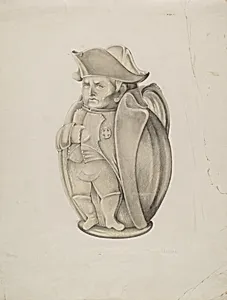
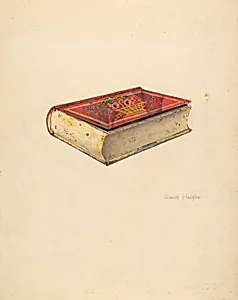
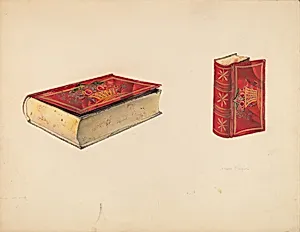
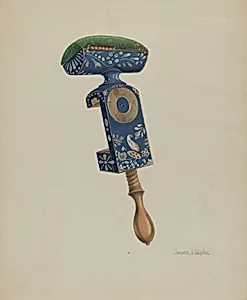
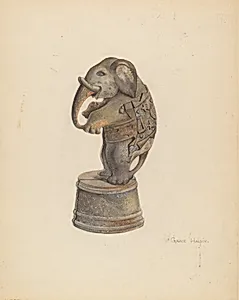
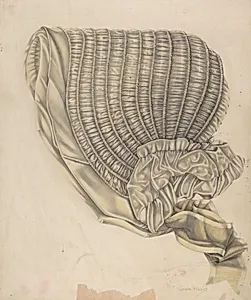
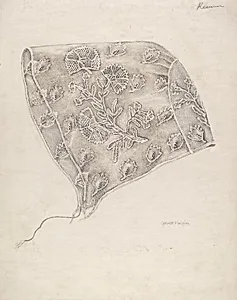
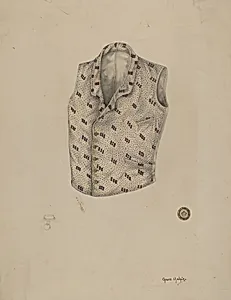
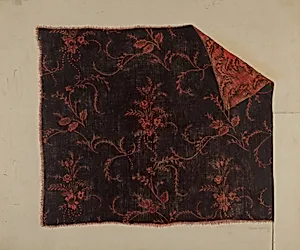
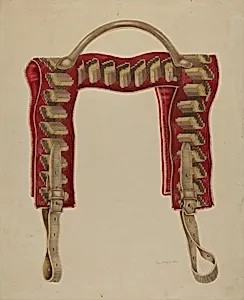
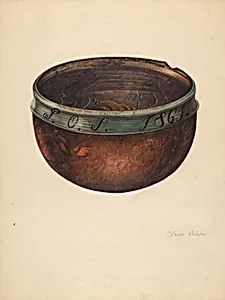
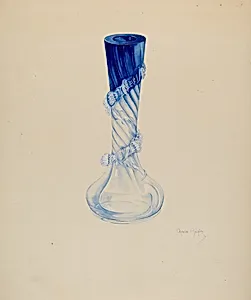
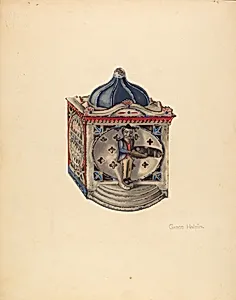
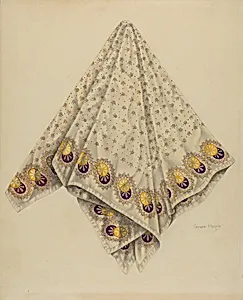
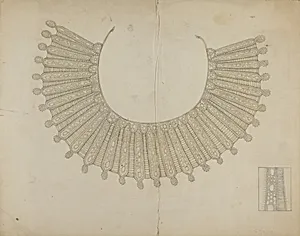
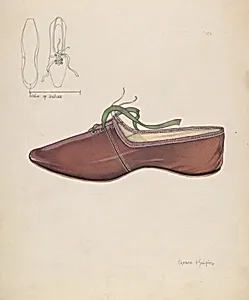
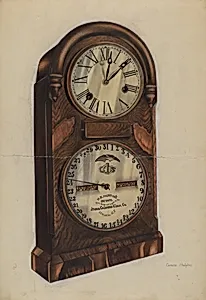
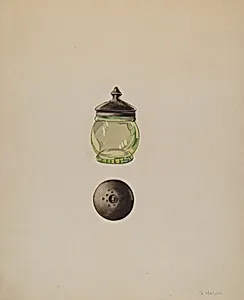
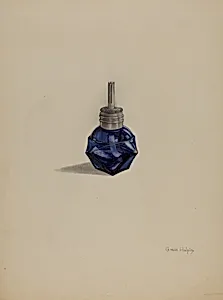
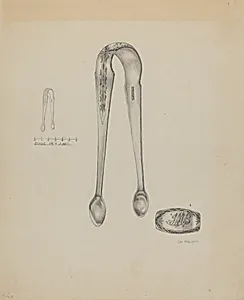
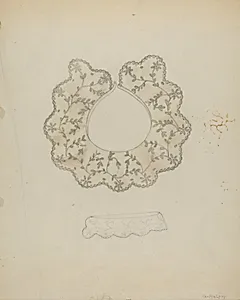
Halpin's style was characterized by realistic, almost photographic detail, blending soft watercolor washes with fine graphite lines to highlight textures, patterns, and historical significance. Working primarily on paperboard, she depicted a wide array of household items and clothing from colonial and early American traditions. Among her major works in the National Gallery of Art's collection of 53 pieces are *Bonnet* (c. 1939), *Penny Bank* (c. 1939), *Napoleon Toby Jug* (c. 1939), *Painted Tin Trinket Box* (c. 1939), *Infant's Cap* (1935/1942), *Bowl* (1938), *Knife and Fork* (c. 1936), *Clock* (c. 1937), and *Pewter Spoon* (c. 1937). These renderings, often evoking nostalgia through delicate pastels and intricate motifs, transformed utilitarian objects into visual treasures, emphasizing their craftsmanship amid the Great Depression era.
Beyond her WPA tenure, Halpin broke barriers in academia as the first female professor in the Communication Design Department at New York City College of Technology (City Tech), where the Grace Gallery is named in her honor. Her legacy endures through the enduring archive of the Index of American Design, which informs modern understandings of U.S. material culture, and her pioneering role in design education. Halpin's oeuvre reminds us how ordinary artifacts embody national identity, bridging art, history, and everyday life in a collection that continues to inspire scholars and enthusiasts alike.