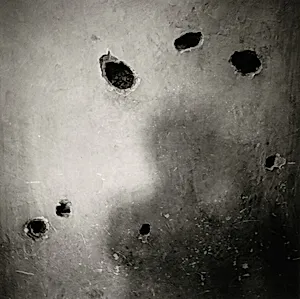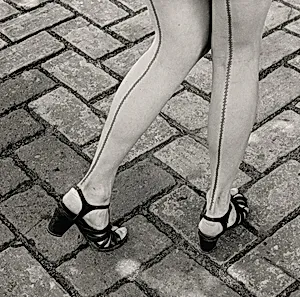
Graciela Iturbide, born on May 16, 1942, in Mexico City, emerged as one of the most influential photographers of Latin America. The eldest of thirteen children in a traditional Catholic family, she received her first camera at age eleven, fostering an early fascination with images as vessels of memory. Married to architect Manuel Rocha Díaz in 1962, she raised three children, including composer and sound artist Manuel and architect Mauricio; the tragic death of her six-year-old daughter Claudia in 1970 profoundly shaped her path, prompting a pivot from film to photography.
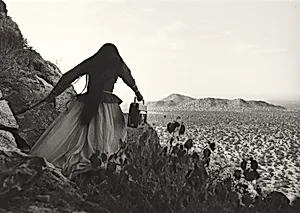
Iturbide studied filmmaking at the Centro Universitario de Estudios Cinematográficos (CUEC) of the Universidad Nacional Autónoma de México, where she worked under the legendary photographer Manuel Álvarez Bravo from 1970 to 1971. Bravo, a pioneer of Mexican photography, became her mentor, guiding her transition to still photography and instilling a poetic sensibility. Her career gained momentum with early series like *Angelitos*, documenting the burials of deceased children in cemeteries, followed by commissions such as the 1978 National Indigenous Institute project on the Seri people in Sonora's desert. Iconic images from this period include *Mujer Ángel, Desierto de Sonora* (Angel Woman, Sonoran Desert, 1979), depicting a Seri woman with a tape recorder amid ancient cave paintings, and her self-portrait *Autorretrato como Seri* (1979). From 1979 to 1988, she immersed herself in Juchitán, Oaxaca, capturing the matriarchal Zapotec culture in the series *Juchitán de las Mujeres*, yielding masterpieces like *Nuestra Señora de las Iguanas* (Our Lady of the Iguanas, 1979) and *Magnolia*, which celebrate gender fluidity and female empowerment.
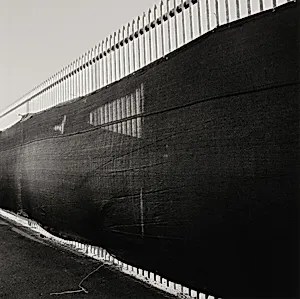
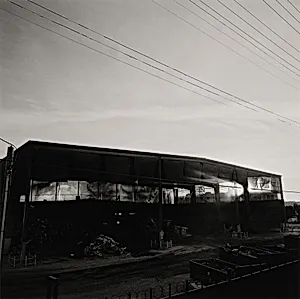
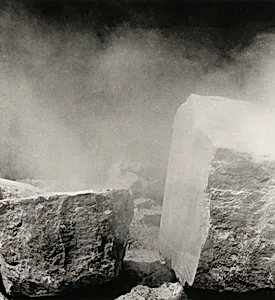
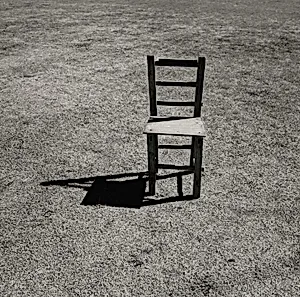
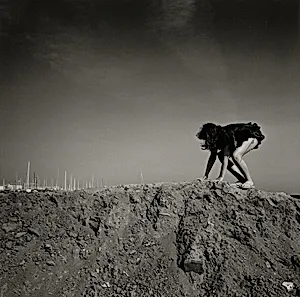
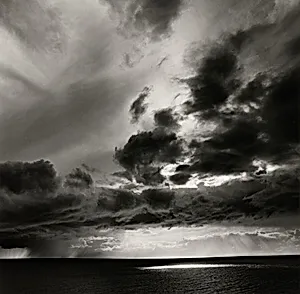
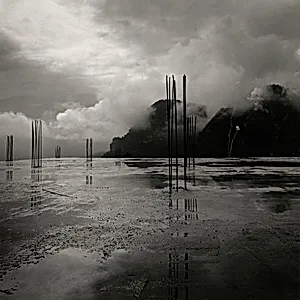
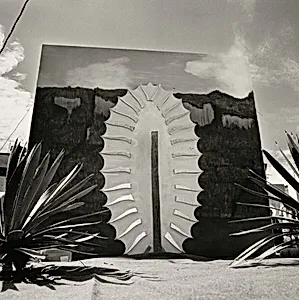
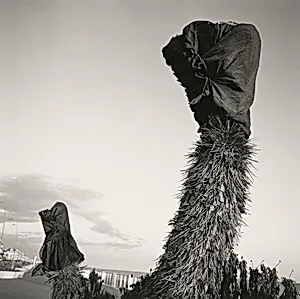
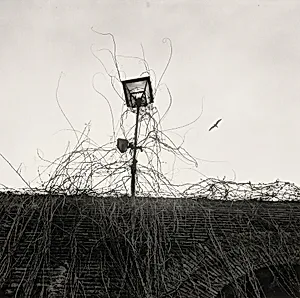
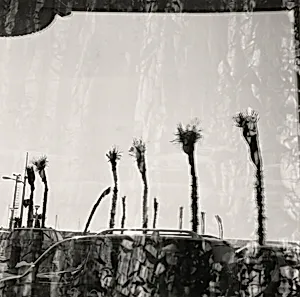
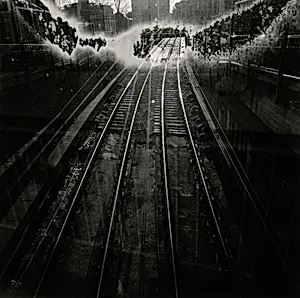
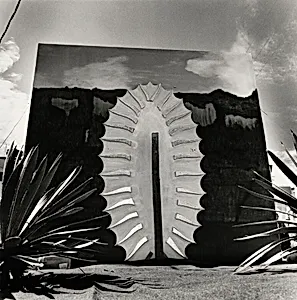
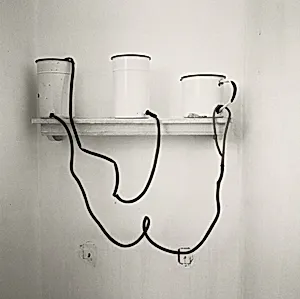
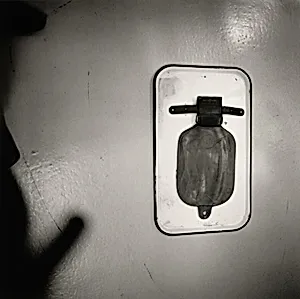
Working almost exclusively in black-and-white gelatin silver prints, Iturbide's style blends documentary precision with surreal, "anthropoetic" lyricism, influenced by Bravo, Josef Koudelka, and Henri Cartier-Bresson. She explores indigenous rituals, death, sexuality, and cultural hybridity—merging Catholic iconography, native traditions, and modernity—in works like *Mercado de Sonora* (1978) and *Mujercita* (1981). Her legacy endures through global exhibitions, such as "Graciela Iturbide's Mexico" (2019–2020) and her 2025 New York retrospective "Serious Play," alongside accolades including the Hasselblad Award (2008), Sony World Photography Outstanding Contribution (2021), and Princess of Asturias Prize for the Arts (2025). Housed in collections like MoMA and the Getty, her 177 known artworks in our virtual museum affirm her as a vital chronicler of Mexico's soul, inspiring generations to see beyond the surface.