Ctrl K
1784–1866
Occupations
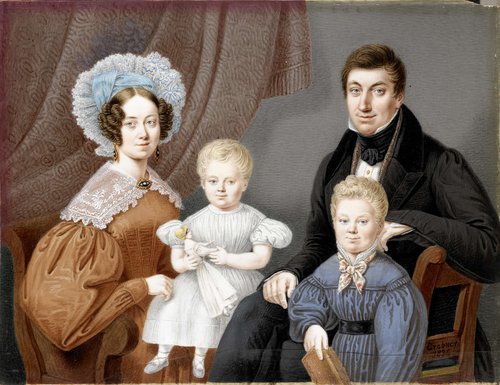
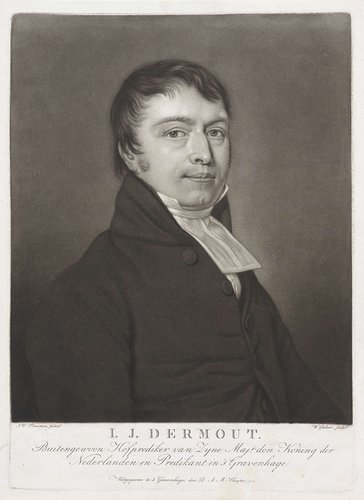
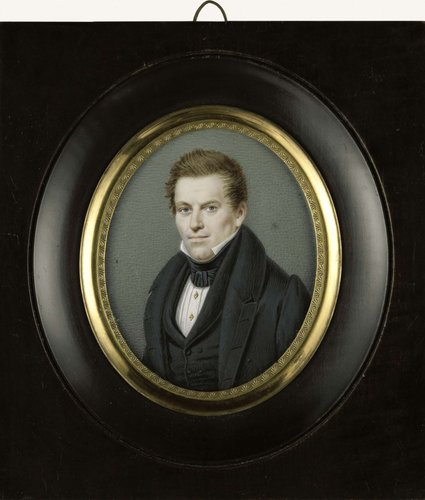
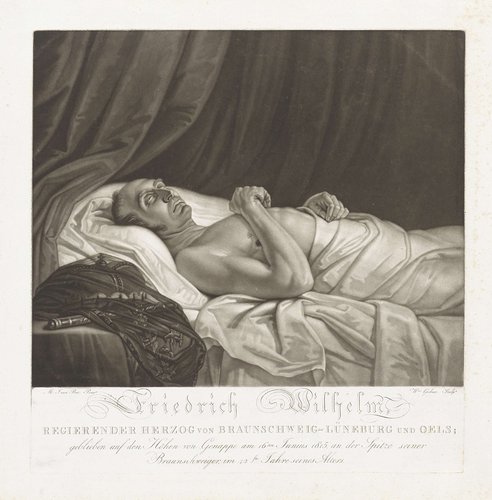
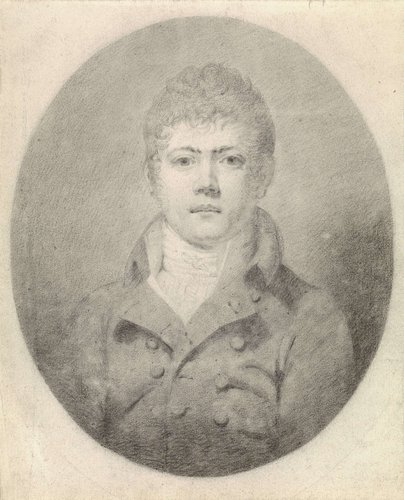
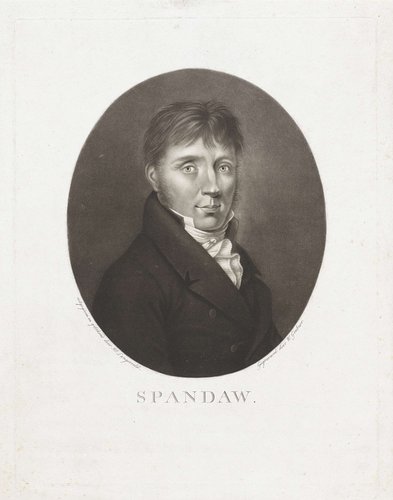
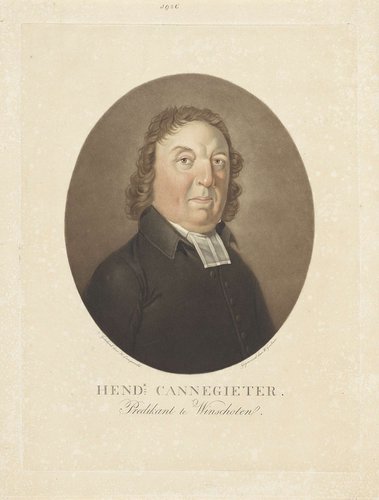
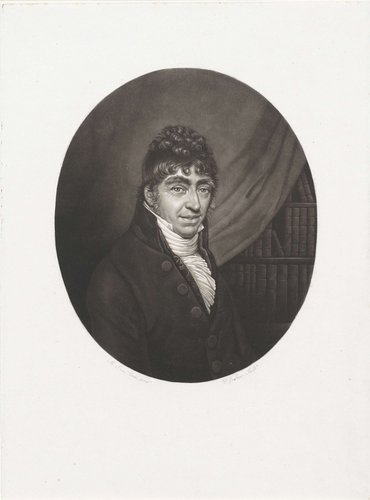
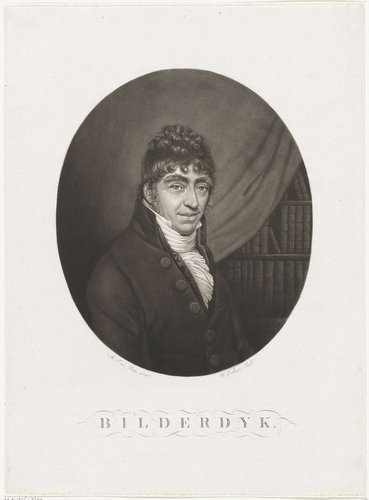
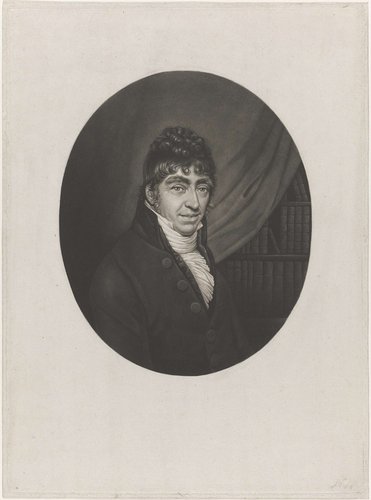
Willem Grebner (1784-1866) was a versatile Dutch artist and educator who worked across multiple media including miniature painting, watercolor, engraving, and lithography while also teaching both art and music. Born on December 7, 1784, in Vreeland (in what is now Stichtse Vecht) and dying on January 28, 1866, in Amsterdam, Grebner represents the type of multi-talented provincial artist who contributed to Dutch cultural life in the nineteenth century through both artistic production and pedagogy. According to the Netherlands Institute for Art History (RKD), Grebner worked as a miniature painter, engraver (printmaker), watercolorist, lithographer, and drawing teacher, while also working as a music teacher to support himself. He was active professionally in Amsterdam, where he spent much of his career. The Rijksmuseum holds several works by Grebner in their collection, including portraits and prints created throughout his career, often working after paintings by other artists such as Mattheus Ignatius van Bree and Jan Willem Pieneman. These works demonstrate his skills in various reproductive techniques including mezzotint and engraving. His career exemplifies the economic realities faced by many provincial artists in the nineteenth century, who combined artistic practice with teaching and reproductive work to maintain stable livelihoods.
Willem Grebner was born on December 7, 1784, in Vreeland, a village in the province of Utrecht in the central Netherlands. He received training in multiple artistic media including miniature painting, watercolor, and various printmaking techniques. His education also included music, which would later provide an additional source of income through teaching. This broad training reflected the practical necessity for provincial artists to master multiple skills to ensure economic viability.
Grebner settled in Amsterdam, where he pursued parallel careers as artist and teacher. He worked as a miniature painter, creating small-scale portraits and other subjects. He also produced engravings, mezzotints, and lithographs, often working as a reproductive printmaker creating prints after paintings by other artists. His collaborations included works after Mattheus Ignatius van Bree and Jan Willem Pieneman, demonstrating his ability to translate painted images into print media. Beyond his artistic production, Grebner taught both drawing and music, providing stable income while allowing him to continue his artistic work. His teaching activities contributed to artistic education in Amsterdam, though he never achieved the prominence of the leading artists of his generation. He died in Amsterdam on January 28, 1866, at age eighty-one, having spent more than five decades contributing to Dutch artistic and cultural life through both creation and pedagogy.
Artheon Research Team
Last updated: 2025-11-09
Biography length: ~442 words
Wikidata (CC0); Getty ULAN (ODC-By)