
Ctrl K
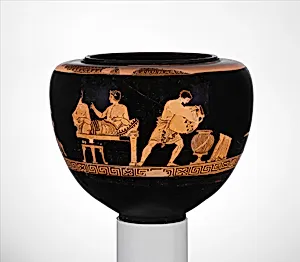
**Group of Vienna 4013** was a stylistic group of Apulian red-figure vase painters active in South Italy during the Late Classical period, roughly 375–350 BCE. Named after a key vase preserved in Vienna (catalogued in the standard reference work *The Red-figured Vases of Apulia* by A. D. Trendall and A. Cambitoglou), the group exemplifies the flourishing ceramic industry of Magna Graecia, where Greek settlers in Apulia produced elaborately decorated pottery for both local use and export.
Working in the red-figure technique inherited from Athens but adapted to regional tastes, these painters favored dynamic figure scenes on shapes such as bell-kraters, lekythoi, and especially dinos mixing bowls. Their compositions often blend Attic iconographic traditions with distinctly South Italian details, including contemporary local drinking vessels and lively narrative details. The group’s output reflects the broader Middle Apulian phase of vase painting, characterized by increased narrative complexity and a preference for mythological or genre subjects rendered with fluid drapery and expressive gestures.
One of the finest surviving examples attributed to the Group of Vienna 4013 is a terracotta dinos in the Metropolitan Museum of Art (acc. no. 14.130.13). Dated circa 375–350 BCE, it depicts a lively banquet scene in which male guests recline on couches attended by youths and women; the iconography closely follows earlier Attic models while incorporating vessels that mirror Apulian daily life. Additional vases linked to the group appear in collections such as the British Museum, further illustrating their range across mythological themes like the Judgment of Paris.
Although individual artists within the group remain anonymous, their collective work forms an important chapter in the story of Greek art in the western Mediterranean. These vases provide valuable evidence for cultural exchange, funerary practices, and the vibrant artistic workshops of ancient Apulia, continuing to illuminate the legacy of South Italian pottery long after the decline of red-figure production. The single work held in the present collection stands as a representative testament to this accomplished yet enigmatic circle of painters.