Ctrl K
1675–1775
Occupations
Gottfried August Gründler (1710–1775) was a German painter, draughtsman, copper engraver, craftsman, and naturalist whose multifaceted career embodied the Enlightenment ideal of the polymath—someone accomplished in multiple fields who combined artistic, scientific, and practical expertise. Born in 1710 and active until his death in 1775, Gründler pursued artistic work alongside serious engagement with natural history, creating illustrations for scientific publications and applying his observational skills to both aesthetic and scientific purposes. Gründler achieved recognition as a 'renowned German engraver' who created frontispieces and illustrations for important publications, including the naturalist journal 'Der Naturforscher' (The Naturalist). His work for this scientific periodical demonstrates the crucial intersection between art and science in eighteenth-century Europe, when accurate visual documentation was essential to natural historical research and publication. Artistic skill in rendering plants, animals, and natural phenomena with both precision and aesthetic appeal made artist-naturalists like Gründler valuable contributors to Enlightenment knowledge production. Beyond scientific illustration, Gründler created portraits and other engravings, including images of historical figures that circulated through the European print market. His work is held in museum collections including the Royal Collection Trust, which possesses his engraved portraits. As described by German sources, he was a 'deutscher Maler, Zeichner, Kupferstecher, Kunsthandwerker und Naturforscher' (German painter, draughtsman, copper engraver, craftsman and naturalist)—a characterization that captures the range of his activities and the integration of artistic and scientific pursuits that marked the careers of many Enlightenment figures. Gründler's long career, spanning 65 years, allowed him to witness and participate in major transformations in both scientific methodology and artistic practice during the central decades of the eighteenth century.
Gottfried August Gründler was born in 1710 in Germany during the late Baroque period, when the fragmented German states were recovering from the devastation of the Thirty Years' War (1618–1648) and beginning to develop the vibrant court cultures that would characterize the eighteenth century. His birth year placed him in the generation that would experience the full flowering of the Enlightenment in German-speaking lands.
Details of Gründler's family background and early training remain incompletely documented. However, his later accomplishments in multiple fields suggest he received substantial education beyond purely artistic instruction. He evidently learned copper engraving, a demanding technical skill requiring systematic training. The craft involved mastering the burin to incise precise lines into copper plates, understanding the relationship between line work and tonal effects in printed impressions, and coordinating the printing process.
Gründler's interest in natural history likely developed during his youth as well, whether through formal study or autodidactic curiosity. The early eighteenth century saw growing enthusiasm for collecting, classifying, and studying natural phenomena—minerals, plants, animals, and fossils. This scientific curiosity, though often pursued by wealthy amateurs, also attracted talented individuals from more modest backgrounds who could apply their observational and artistic skills to natural historical documentation.
His training as a draughtsman and painter provided the foundation for both his artistic and scientific work. The ability to draw accurately from observation was essential not just for conventional artistic subjects but also for scientific illustration, where precision and clarity took precedence over aesthetic interpretation.
By the mid-1730s, Gründler had established himself as a professional engraver and artist, working on both conventional artistic commissions and scientific illustration projects. His combination of artistic skill and natural historical knowledge made him valuable for the growing field of illustrated scientific publication.
Scientific illustration in the eighteenth century required particular expertise. The illustrator needed to observe specimens carefully, understanding which features were scientifically significant and required emphasis. The drawings had to be accurate enough to allow identification and comparison while also being clear and aesthetically organized. When translated into engravings for publication, these images needed to maintain scientific accuracy while fitting the technical constraints of copper plate printing.
Gründler's work for 'Der Naturforscher,' a German journal devoted to natural history, placed him within the infrastructure of Enlightenment scientific communication. Such journals disseminated new discoveries, theories, and observations among the community of naturalists, collectors, and curious amateurs who pursued natural historical studies. The frontispieces and illustrations Gründler created for this publication contributed to its visual appeal and scientific utility.
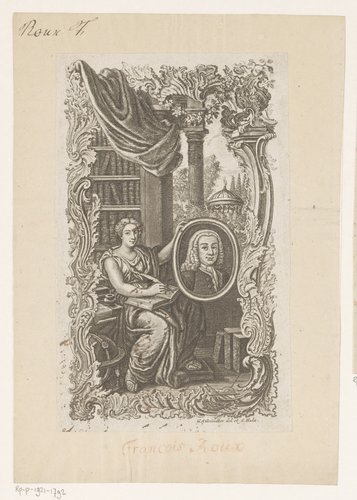
His frontispiece work demanded particular skill, as frontispieces served multiple functions—they decorated the publication, established its scientific character, and often incorporated allegorical or symbolic elements representing the nature of the work. Creating effective frontispieces required both artistic sophistication and understanding of the publication's content and purposes.
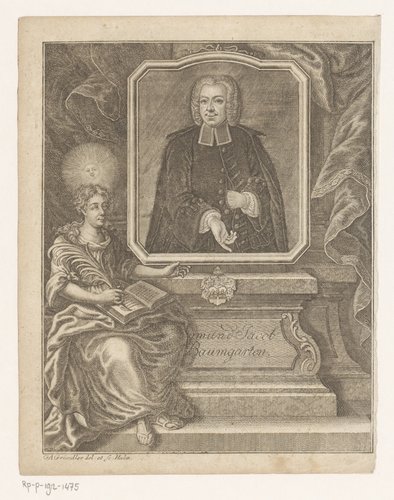
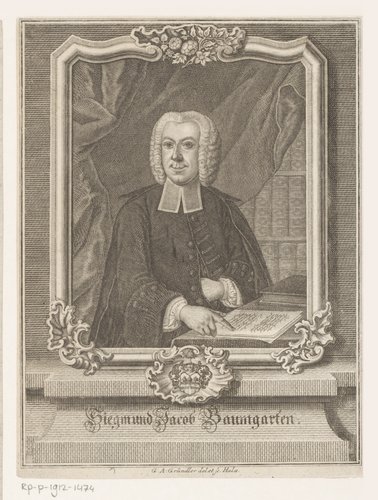
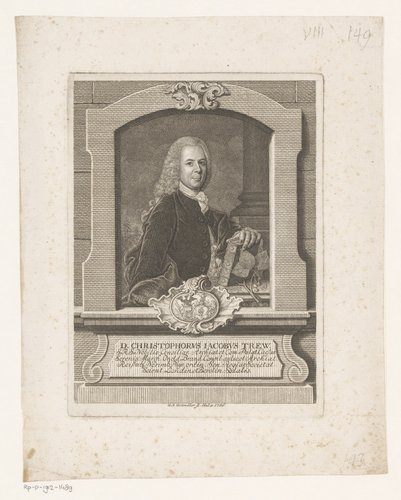
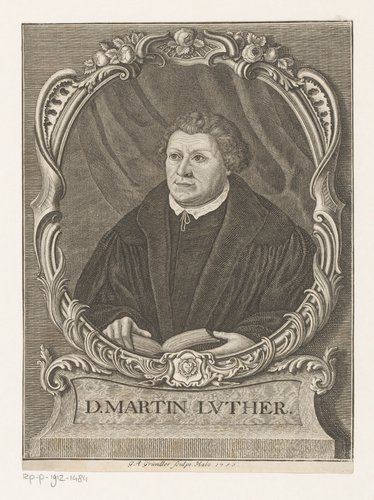
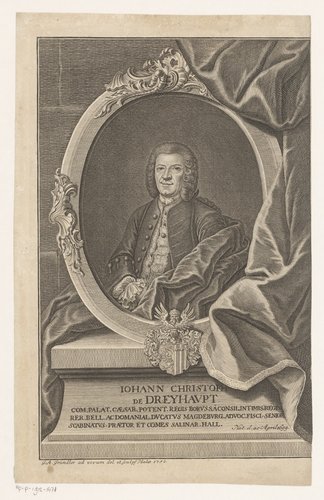
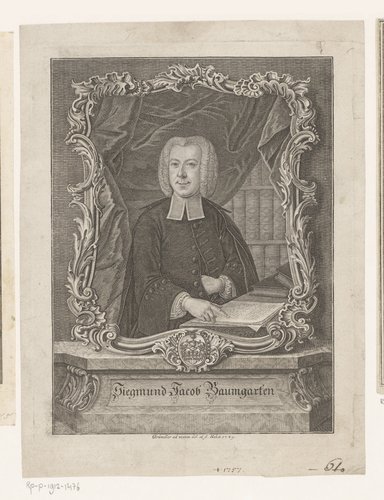
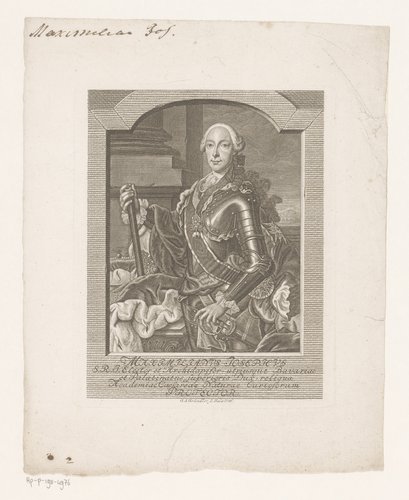
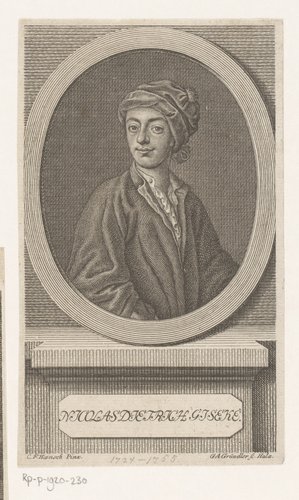
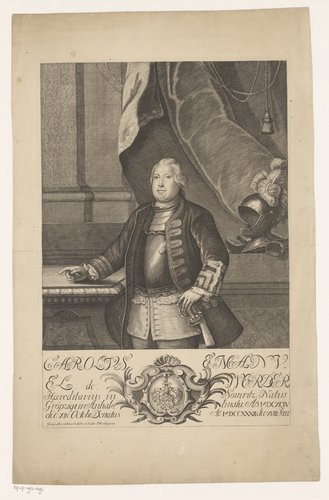
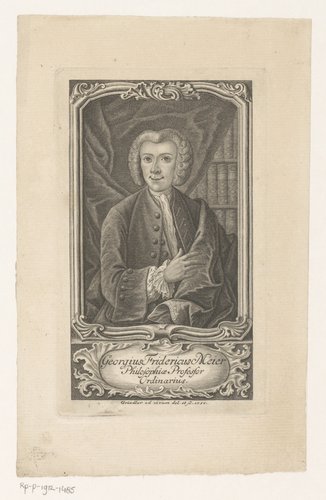
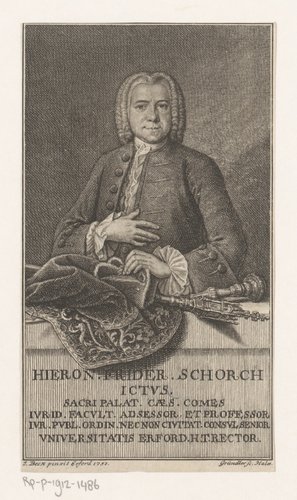
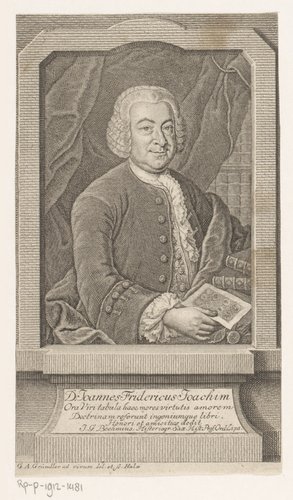
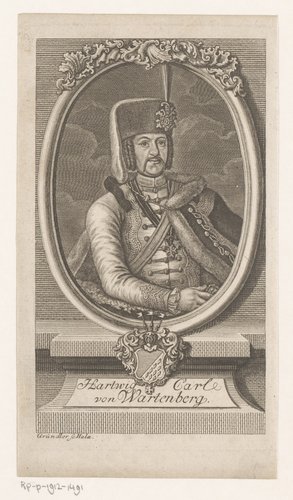
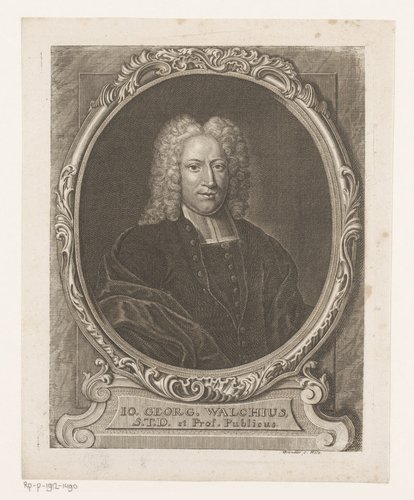
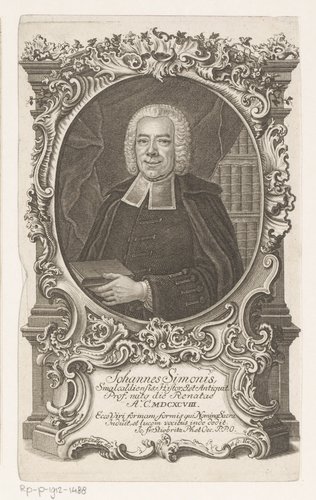
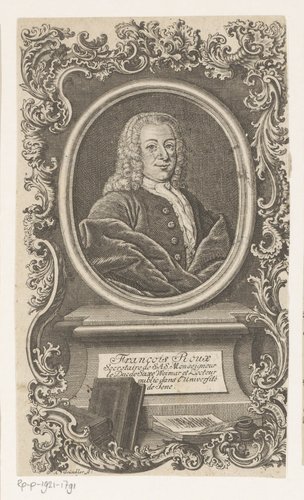
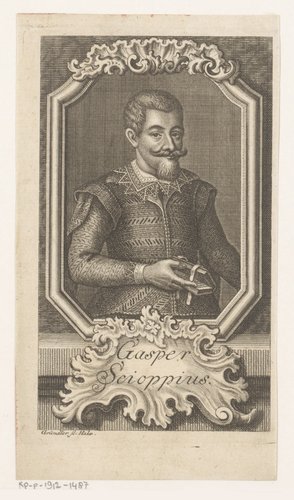
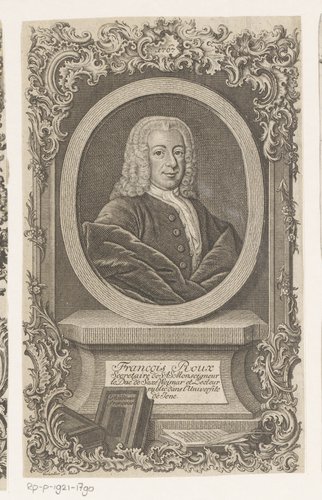
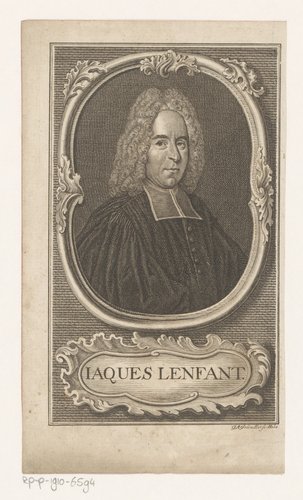
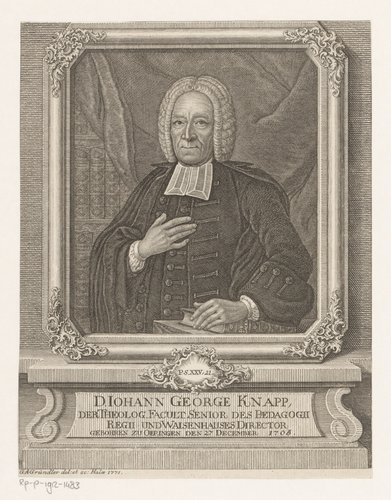
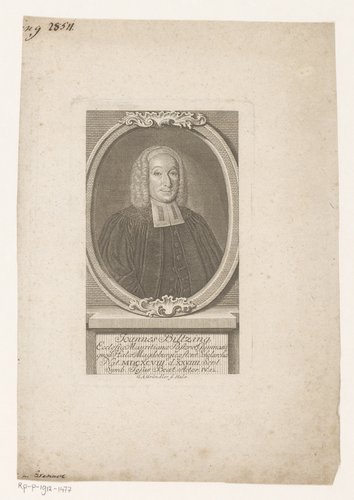
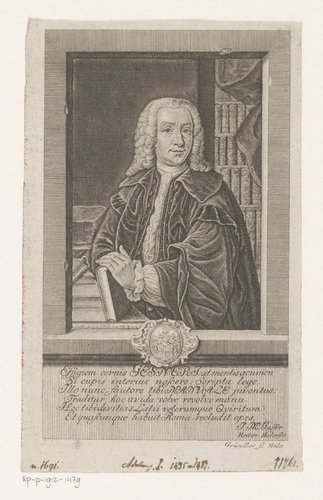
During this period, Gründler also created portrait engravings of historical and contemporary figures. These portraits served the growing market for prints documenting notable individuals—rulers, scholars, military leaders, and cultural figures. Portrait engraving required different skills than natural historical illustration, demanding ability to capture individual likenesses while maintaining the dignity and character appropriate to the subject's status.
Gründler's later career saw him continue his multifaceted activities as artist, engraver, and naturalist. His reputation as a 'renowned German engraver' brought commissions for significant projects, including portraits that entered important collections such as the Royal Collection Trust.
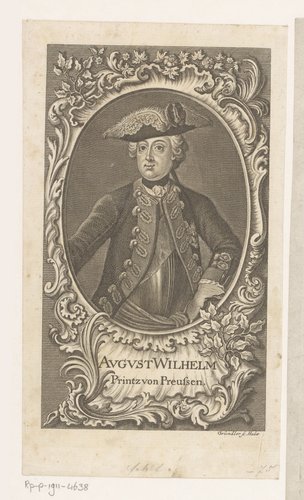
His work creating engraved portraits included images of Prussian royalty and other significant figures. These portraits required technical excellence, as they would be scrutinized by educated audiences familiar with engraving conventions and capable of judging quality. The portraits also served political and cultural functions, helping to establish and disseminate the visual identity of rulers and nobles.
As a craftsman (Kunsthandwerker), Gründler may have engaged in various applied arts beyond pure engraving—possibly including decorative work, design for luxury objects, or other activities where artistic skill met practical production. The eighteenth century saw flourishing markets for well-designed decorative objects, and artist-craftsmen who could work across media found ready employment.
Gründler's identity as a naturalist (Naturforscher) alongside his artistic work exemplifies the Enlightenment ideal that observation, classification, and understanding of the natural world represented important intellectual pursuits. His artistic training enhanced his scientific work, while his scientific knowledge informed his artistic production, creating a productive synthesis.
Gottfried August Gründler died in 1775 at age 65, having pursued his varied activities through the central decades of the eighteenth century. He had witnessed major developments in both scientific methodology—including Linnaeus's systematic classification of organisms—and artistic practice, including the rise of Rococo and the beginnings of Neoclassicism.
His legacy resides in the engravings he created, which survive in museum collections and demonstrate the intersection of art and science in Enlightenment culture. The frontispieces and illustrations he produced for scientific publications contributed to the dissemination of natural historical knowledge, while his portraits documented eighteenth-century notables. His career exemplifies how artistic skills supported Enlightenment knowledge production and how talented individuals could pursue integrated careers spanning what would later become more rigidly separated domains of art and science.
Artheon Research Team
Last updated: 2025-11-09
Biography length: ~1,542 words
Wikidata (CC0); Getty ULAN (ODC-By)