Ctrl K
1579–1640
**Guillaume Dupré (1579–1640)**
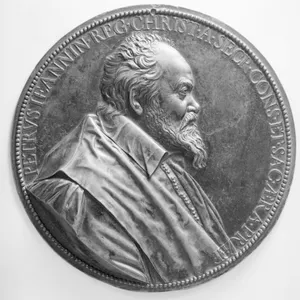
Guillaume Dupré, born in Sissonne near Laon, emerged as one of France's premier sculptors and medallists during the transition from Renaissance to Baroque art. He studied under the renowned sculptor Barthélemy Prieur, marrying Prieur's daughter Madeleine in 1600 and later fathering Abraham Dupré, who followed in his footsteps as a medallist. His early talent caught the eye of King Henry IV, who in 1597 appointed him Sculpteur Ordinaire du Roi after admiring a medal depicting the king as Hercules alongside Gabrielle d'Estrées. By 1603, Dupré received royal privileges to cast his own gold and silver medals at the Louvre, marking his swift ascent at court.
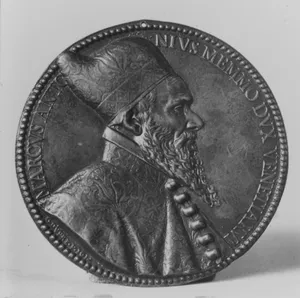
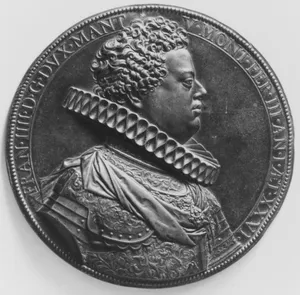
In 1604, Henry IV elevated him to Contrôleur Général des Poinçons et Effigies des Monnaies de France, a pivotal role overseeing coin designs that he held jointly at first and solely after 1607; he was named Premier Sculpteur du Roi in 1611, succeeding Prieur. Dupré traveled to Italy from 1611 to 1613, visiting Venice, Bologna, and Mantua, where he absorbed Renaissance influences that enriched his oeuvre. He provided wax models for royal coin effigies under Louis XIII and served as general commissioner of artillery around 1629, blending artistic and administrative duties.
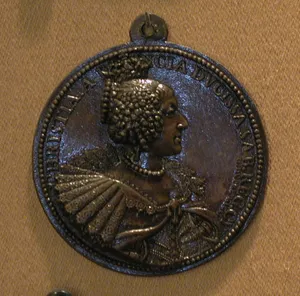
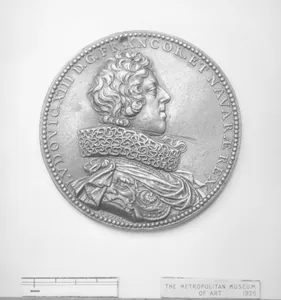
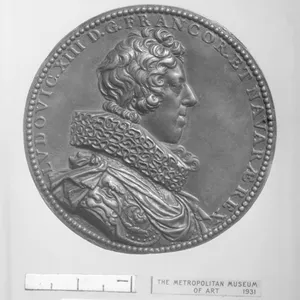
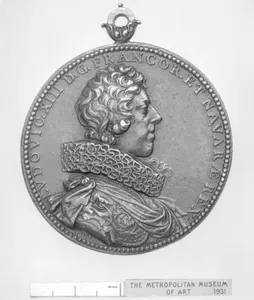
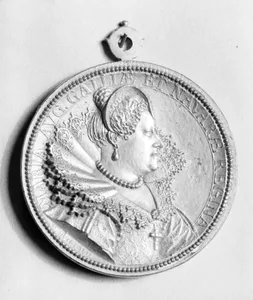
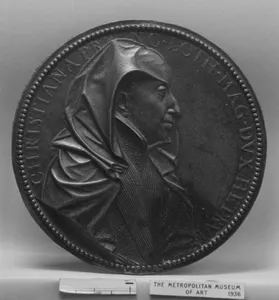
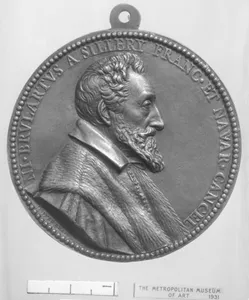
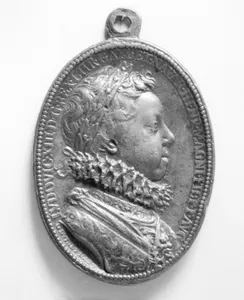
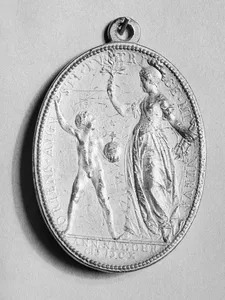
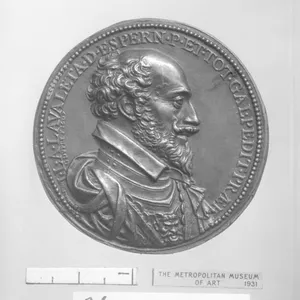
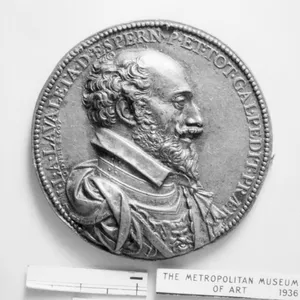
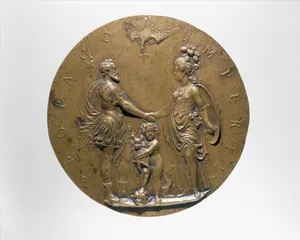
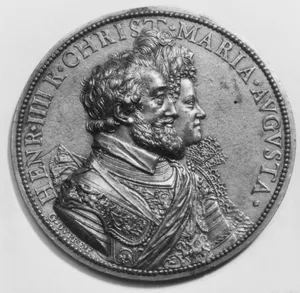
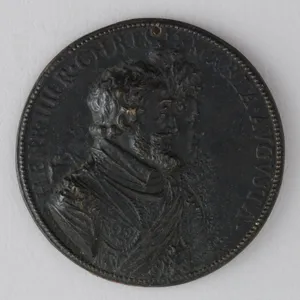
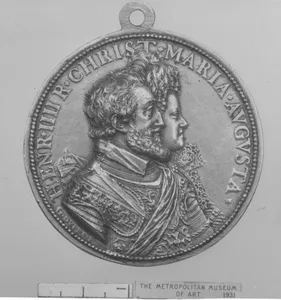
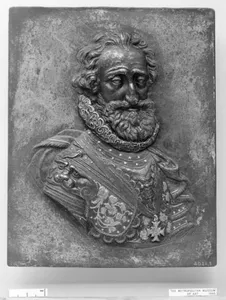
Dupré's style, rooted in sculpture, featured exceptionally high-relief medals with majestic portraits, harmonious modeling, and noble expressions, rivaling Italian masters and foreshadowing French Baroque dynamism. Among his masterpieces are the 1600 medal of François de Bonne, Duke of Lesdiguières; paired portraits of Henry IV and Marie de Médicis (1600, 1603); Louis XIII as a child (1610); the zenithal 1603 medal of Henry IV, Marie de Médicis, and the Dauphin; and later honors like Cardinal Richelieu (1627). He also crafted sculptures such as a 1610 polychrome wax bust of Henry IV (Musée Condé, Chantilly) and a statue of the king (Louvre), alongside gem-engravings and bronze works.
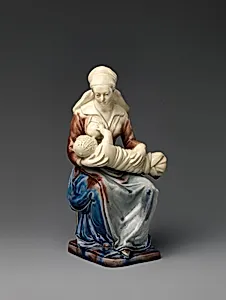
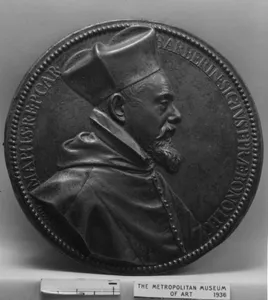
Celebrated as the era's finest French medallist, Dupré produced over 60 known medals, elevating the genre through sculptural innovation and royal patronage. His works, housed in collections worldwide with 55 in this museum alone, embody the grandeur of the Bourbon monarchy and bridge Renaissance precision with Baroque expressiveness, securing his enduring legacy in art history.